
Technology is meant to drive us forward. It’s as simple as that. Tech companies are always looking to come up with the next big thing to make our lives easier or blow our minds but for every hit, there’s also a miss and with the decade coming to an end, we take a look at the 10 biggest tech flops in the last decade.
Google’s Project Ara
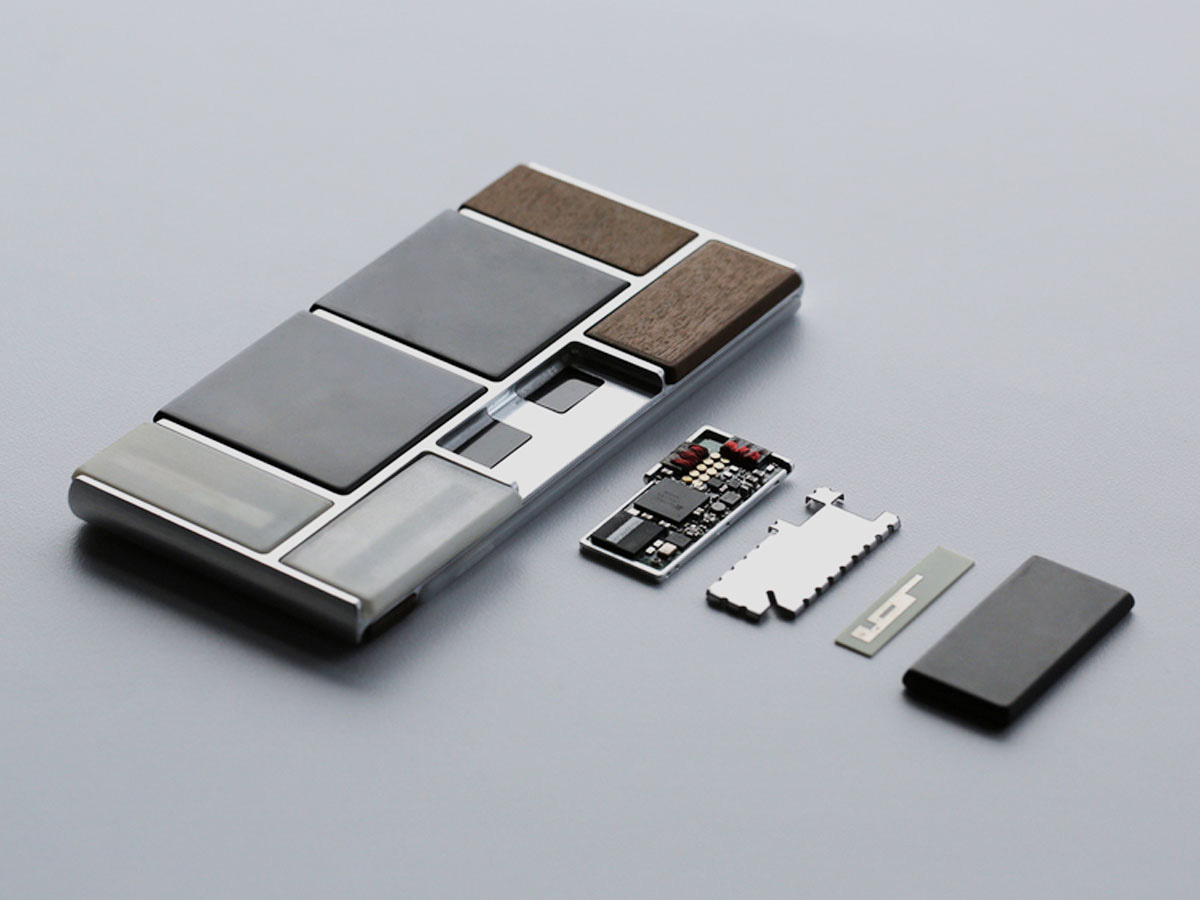
The idea of building your own smartphone from scratch has been thrown around circa 2013 so imagine everyones excitement when Google announced that they’d be working on a modular smartphone. One where you could customize parts to your liking. Don’t need that extra front facing camera? Remove it! Want an extra camera on the back, do it! In theory it sounds amazing but that’s just it. The project never took off, with the Android ecosystem already fragmented as it is, manufacturers just weren’t interested in kickstarting a race for smartphone modules.
Hyperloop

Elon Musk might be basking in the successful announcement of the Cybertruck but not all of his ideas have been a hit. The Hyperloop was described as a “cross between a Concorde and a railgun and an air hockey table.” by none other than Elon himself. It was supposed to shuttle passengers incredible distances at incredible speeds in an underground tunnel system. 700 miles per hour incredible. It almost seems like the more incredible an idea is, the more unlikely it is to take off. It turns out that there were some serious structural problems with the plan and that costs had been underestimated. Elon Musk himself seems to have conceded defeat. Oh well..
Google+
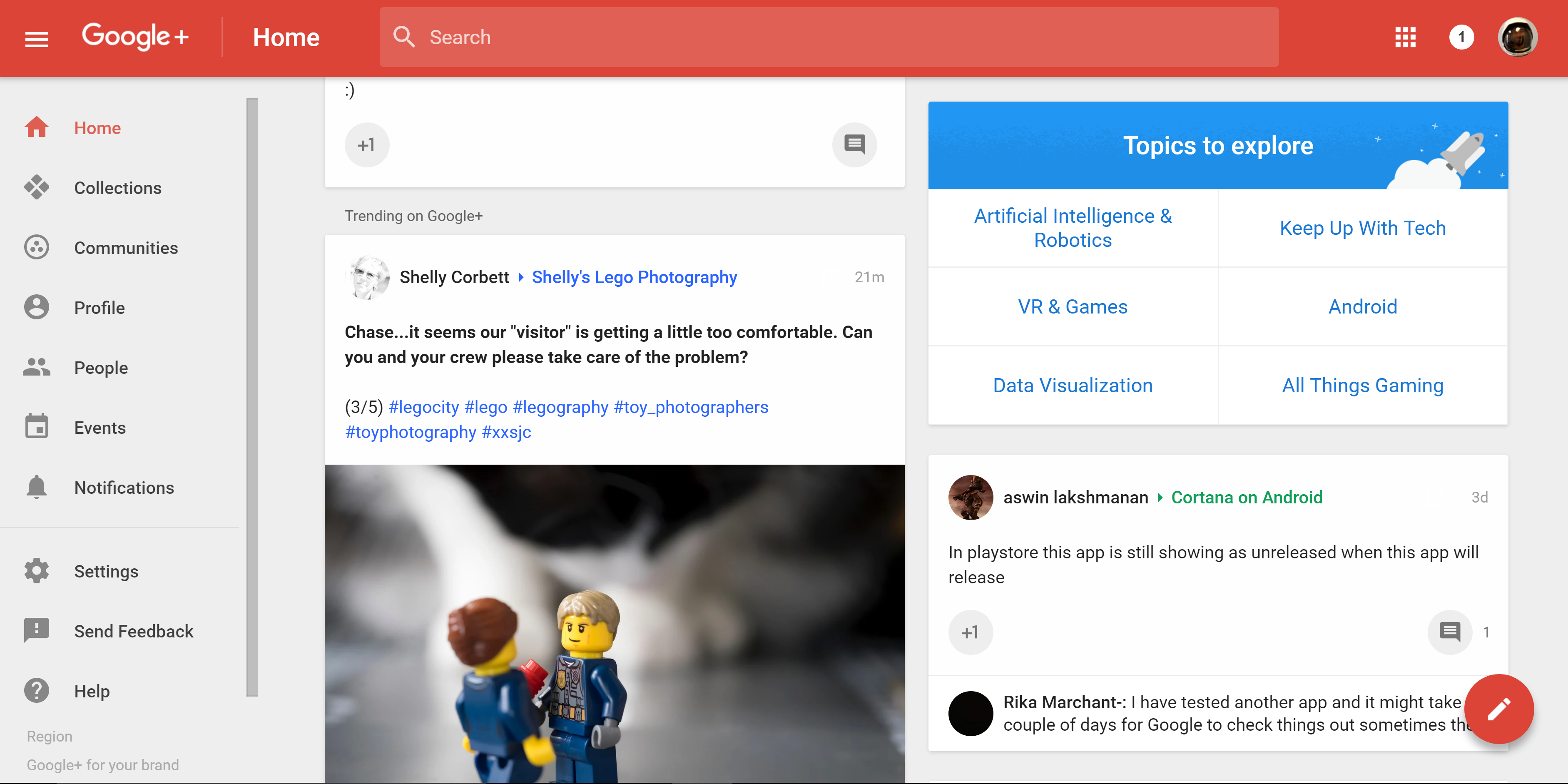
Ah, Google+. Where do we even begin? Google’s foray into social networking started with so much promise. Google+ was supposed to be the next Facebook, in fact, Google had all the resources to make it even bigger than Facebook. Where did it all go wrong? Well for one, it was pretty much EXACTLY like Facebook. No one wanted another Facebook. Top that off with the fact that Google FORCED people into creating accounts by linking Google+ with it’s other services and the picture becomes a little clearer. There simply wasn’t anything special about the platform. While it did become a safe haven for hipsters for a couple of years, its coup de grâce came in the form of a massive data breach that Google initially hid from its users.
That being said, Google+ did contribute to the single most underrated feature today and that’s the single log in for all Google apps and services. So, at least it did something right.
Samsung Bixby
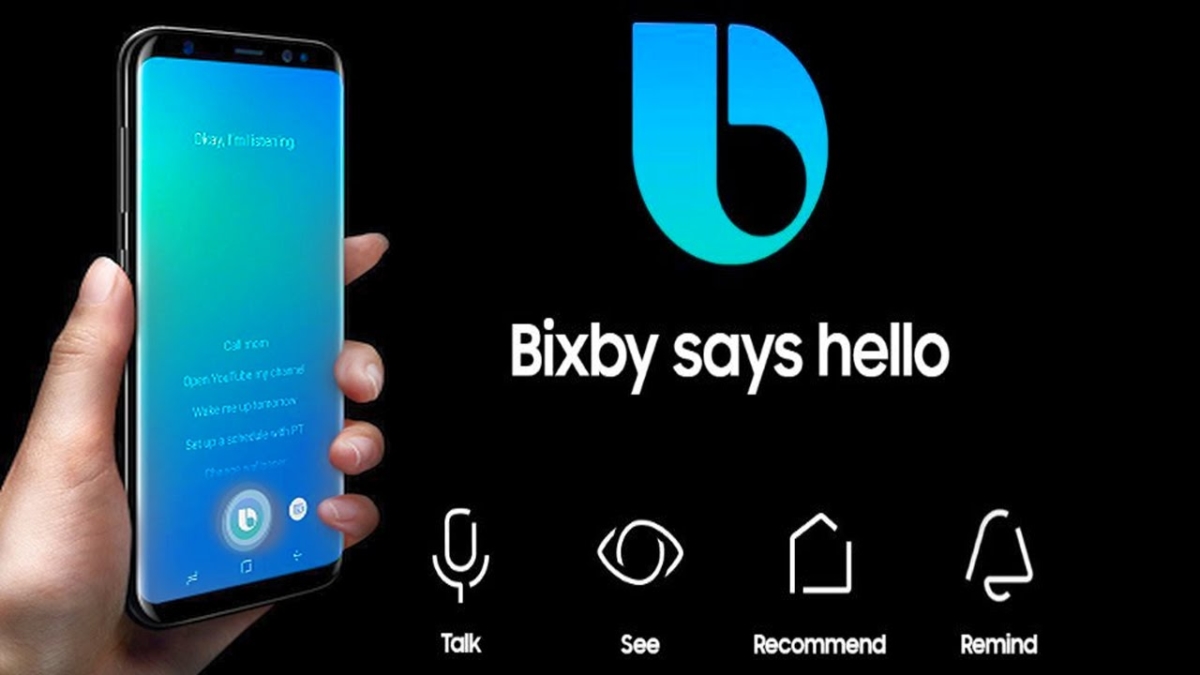
Some of you may be asking? What even is Samsung Bixby. You’ve obviously never used a Samsung in recent times because the damn thing is the bane of pretty much every Samsung users existence. Okay we may be exaggerating but the feature was pretty horrible. Bixby is a virtual assistant developed by Samsung and first introduced in the S8. It’s basically Samsung’s version of Siri, except just not as good. The thing is, Samsung tried really hard to make it work, and we mean really hard. To the point where they added a mandatory Bixby button to their phones. Google’s native Google Assistant, which came shipped with every Samsung device simply works better and the sooner Samsung realizes that Bixby just isn’t going to work, the better.
Windows 8
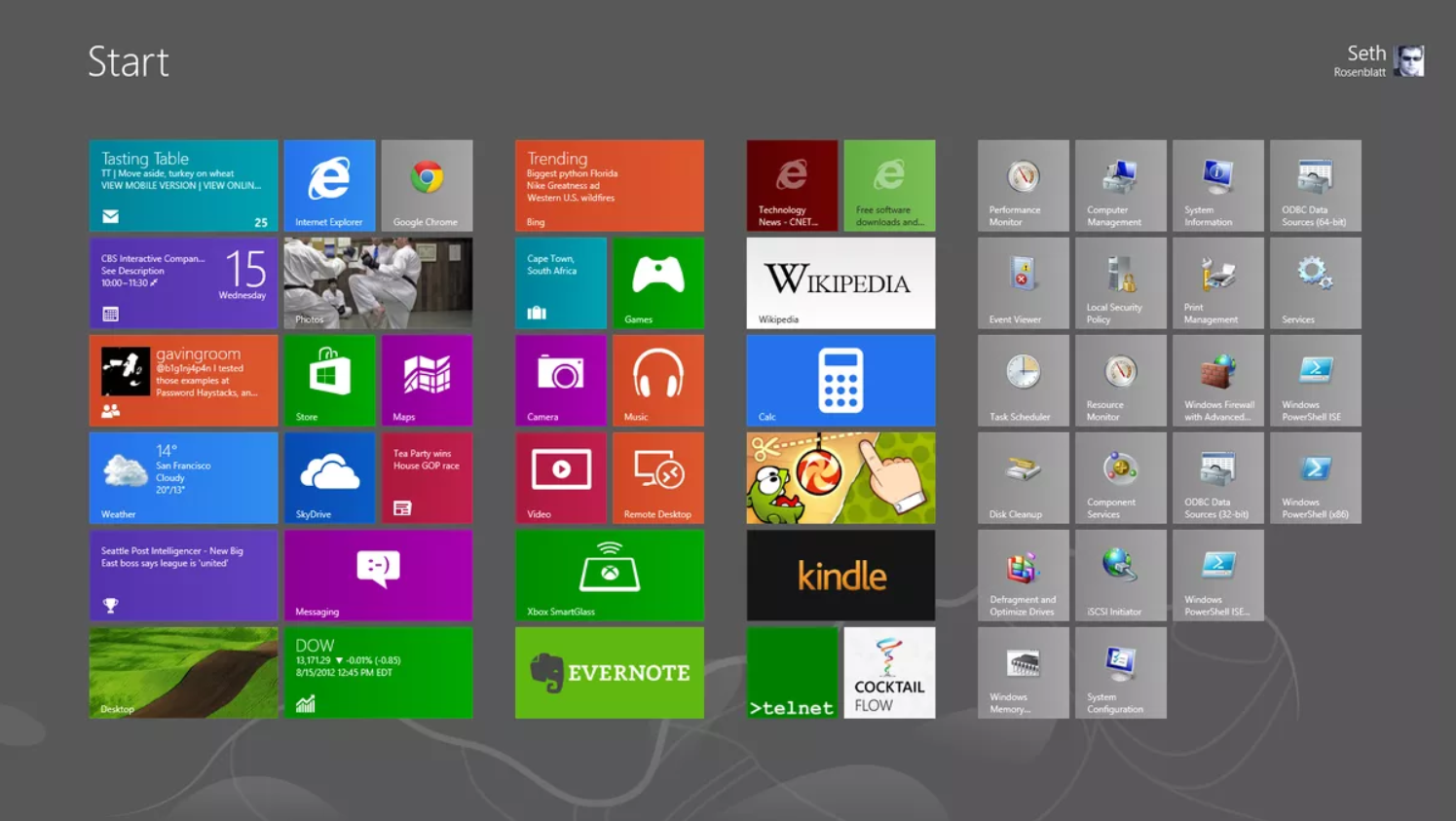
Windows 8 is probably the worst OS Microsoft has come out with this decade and it’s all Apple’s fault. You see, Microsoft was chasing the iPad HARD and Windows 8 reflected that. Ok fine maybe it isn’t ALL Apple’s fault because the OS itself was also very bad and confusing.
Windows 8 was so very different from Windows 7 from a usability perspective, so it was pretty a rough switch. Things which were once intuitive to the user (even if they weren’t the fastest or most efficient) suddenly didn’t work the way they did before. People were stuck trying to figure out where the settings had suddenly gone. What’s with the “Swipe down” crap? I’m using a laptop with a mouse! Where’s the “close” button on the top right of my window gone. For that matter – where on earth have my windows gone?
Google Glass
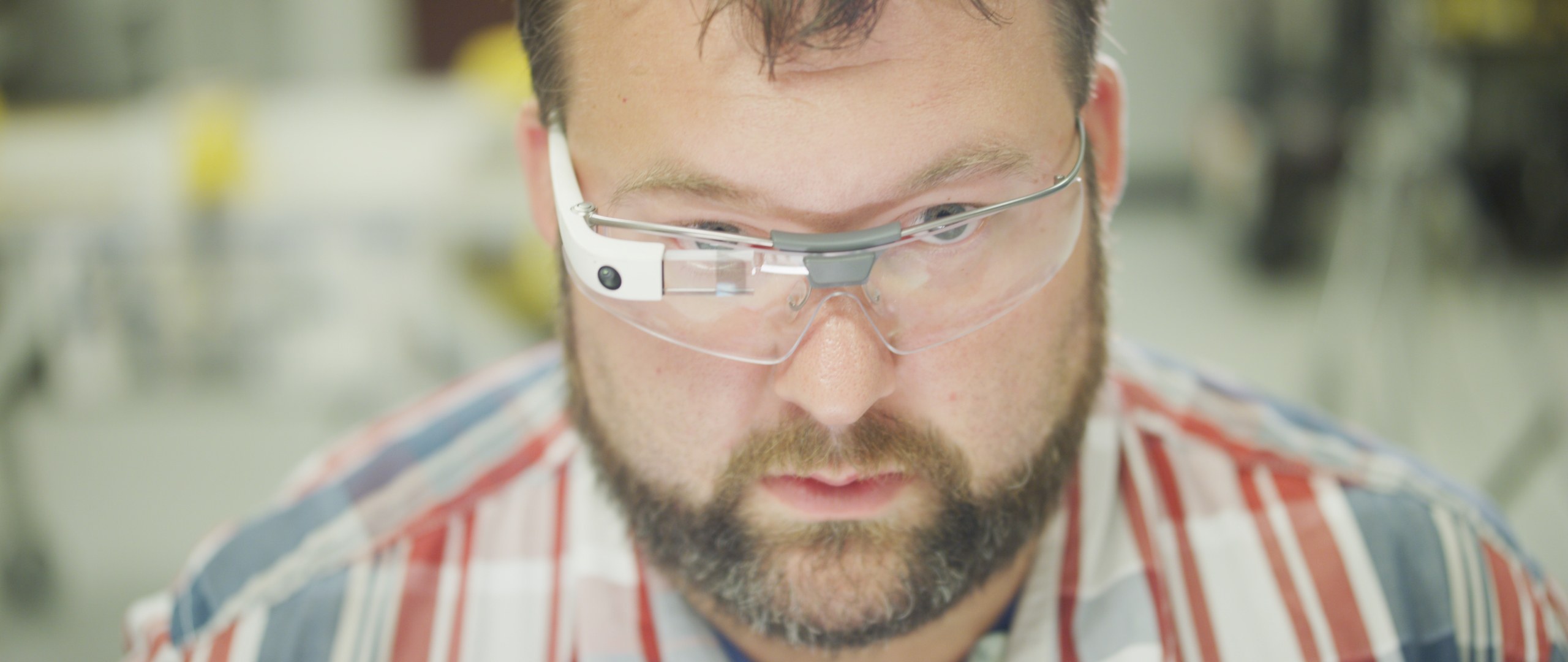
Where do we even begin with Google Glass? This piece of tech could’ve, would’ve and should’ve been a game changer for wearable tech but sadly it just wasn’t to be. The idea was there, sadly though, the execution wasn’t. To put it rather simply, not only were there no clear use cases for Google Glass but the damn thing simply didn’t look good either. It all turned out to be both pointless and ugly. There’s really not much else to say here.
Windows Phone
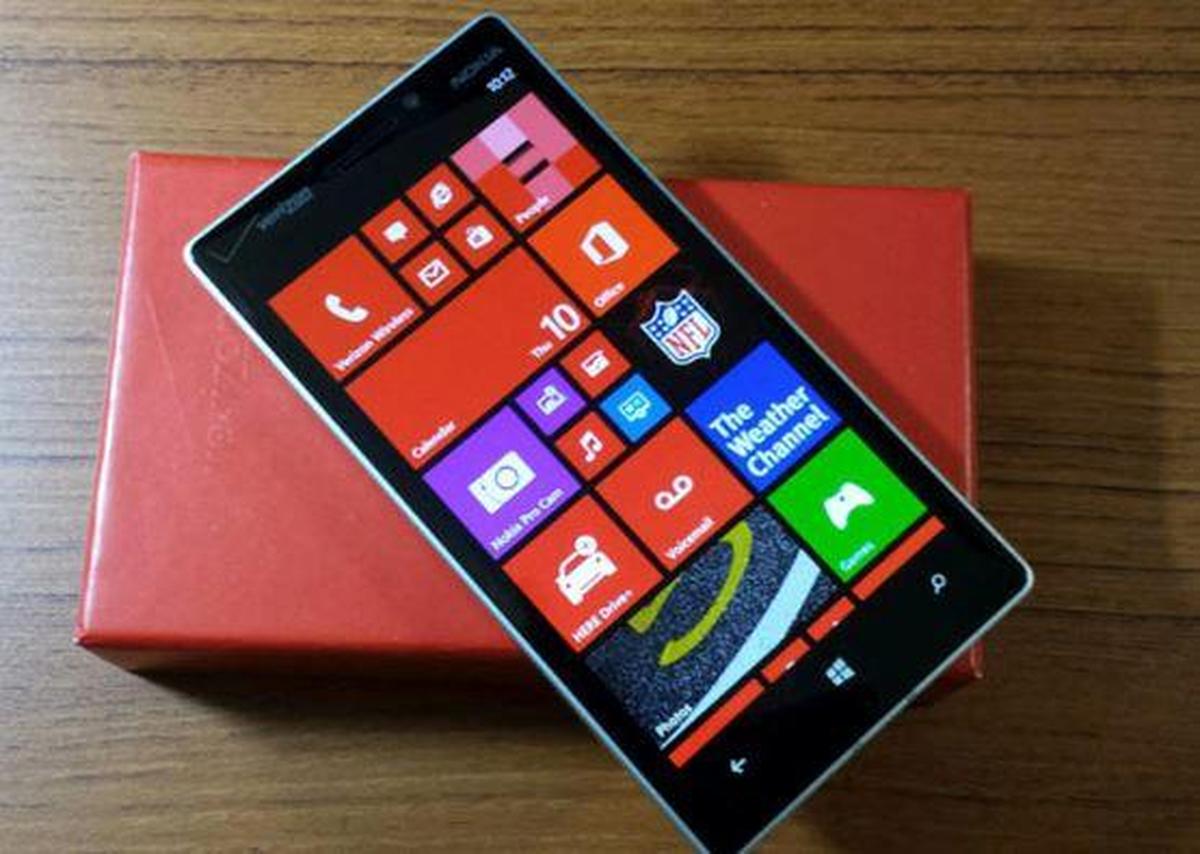
Just as Windows had dominated the Desktop OS market for years, the company was fully prepared to do so with its Windows Phone OS. Dubbed the iOS killer prior to its launch, it ended up shooting itself instead but not before taking Nokia down with it. The OS itself was interesting, and I actually liked the whole tile thing but Microsoft struggled to get developers to create apps that cater to the OS. That;s not the only thing they screwed up, with the company’s approach to licensing it also questionable.
Bill Gates has always stated that not making Android was his biggest mistake, we’re pretty sure the smartphone world would be a hell of a lot different had he did. And for that, we are thankful.
Samsung Galaxy Fold
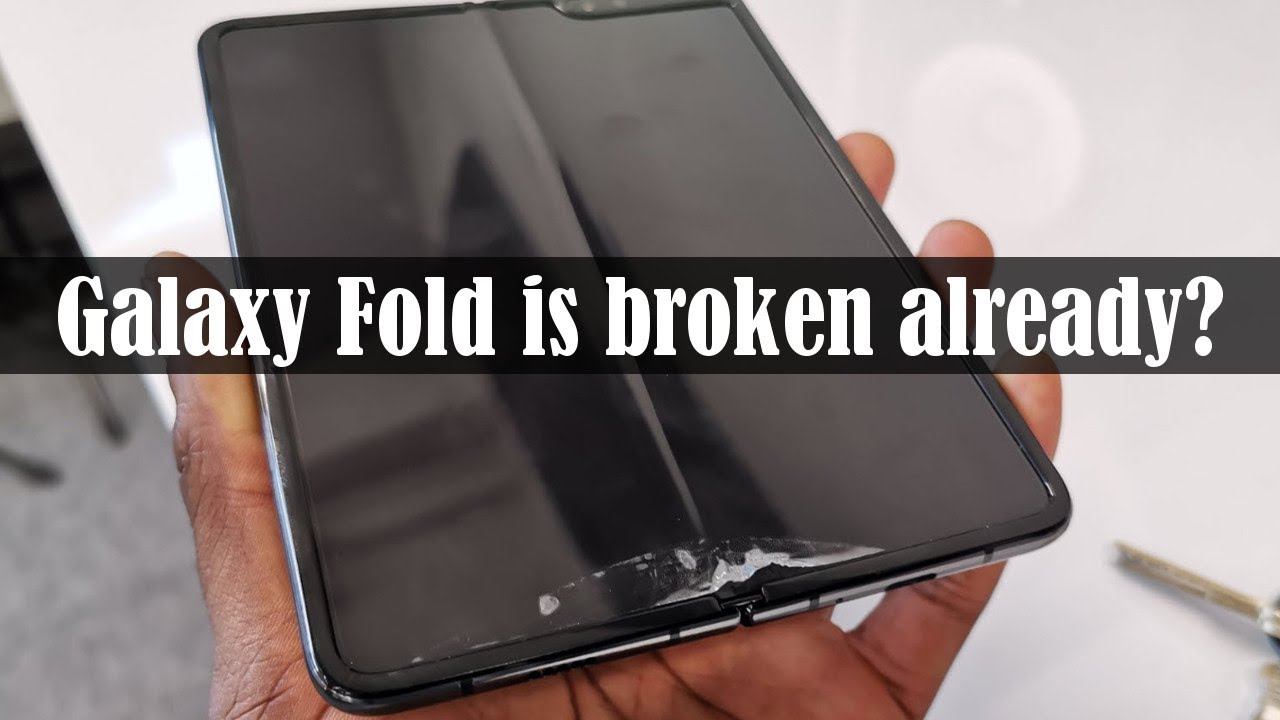
2019 was supposed to be the year of the foldable smartphone. I mean, can you blame us for expecting as much? Samsung flaunted it’s Galaxy Fold smartphone at MWC, so of course everyone got excited. Fast forward a few months later and the first batch of Galaxy Fold units made its way to members of the media and they were unanimous in their verdict: The phone was a massive failure.
There were reports of the phone just… breaking, all because Samsung didn’t tell them to leave the screen protector on. it turns out that about 50% of the most high profile reviewers in tech had busted units. How exactly Samsung thought that the device was market ready remains a mystery to this day.
Apple’s Butterfly Keyboard
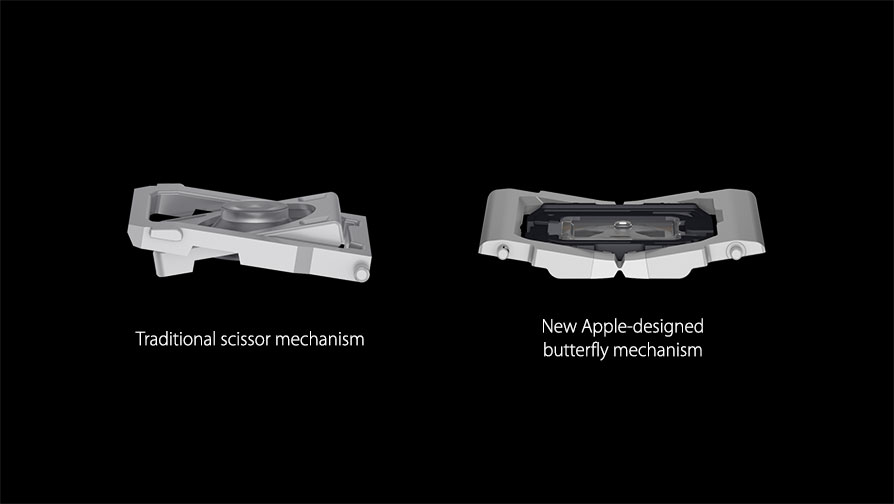
Apple must’ve thought they’d discovered the next big trend in keyboard technology when it introduced its butterfly keyboard back in 2015. The keyboard itself was supposed to bring with it a more precise typing experience. It is thinner because each key actually moves less when pressed. The Butterfly keyboard is 40% thinner than a scissor keyboard and four times more stable. The Butterfly keyboard was also designed for better durability. Too bad it didn’t turn out that way. If anything, it just goes to show just how much Apple prioritizes form over function.
Samsung Galaxy Note 7
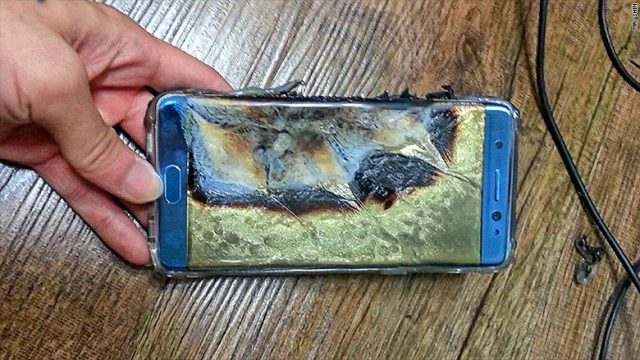
We’re convinced that there hasn’t been a bigger flop in the last decade than the Samsung Galaxy Note 7. You see, the Note 7 was heralded as THE best phone ever created at launch. People were ranting and raving about it left right and center, and fair enough. The phone was amazing, that is until it literally started exploding.
At first Samsung tried to release patch updates to counteract it. Then, they resorted to recalling the devices and issuing new ones. Then those replacement devices started catching fire, including one incident on a plane that led to airlines banning the phone on board and before you knew it, Samsung had to release a statement informing people not to buy nor use the phone anymore. By then though. Samsung’s reputation had been dragged through the mud.
Ironically enough, just as it was starting to make a good name for itself again the whole Galaxy Fold drama unfolded so, hopefully the next decade will be a better one for Samsung.