Verizon and T-Mobile have bashed AT&T over its marketing term 5G E, suggesting that devices are connected to a 5G network.
Executives from the two carriers publicly criticized AT&T for marketing an upgrade to its existing 4G LTE network with a 5G namesake, when the service doesn’t actually use the company’s 5G network and does not comply with 5G standards. They’ve called AT&T’s efforts confusing and deliberately misleading in an effort to get consumers to think they’re using AT&T’s 5G service when they aren’t.
In a blog post Monday that was also published as a full-page ad in the Wall Street Journal, New York Times, USA Today and Washington Post, Verizon’s chief technology officer Kyle Malady said that companies that mislabel services as 5G risk confusing consumers.
He said “the potential to over-hype and under-deliver on the 5G promise is a temptation that the wireless industry must resist.”
Meanwhile, T-Mobile’s CEO John Legere took to Twitter accusing AT&T of “flat out” lying to consumers to deliberately trick them into thinking the AT&T service is something that it’s not.
The warnings and accusations come as AT&T updates phones with its 5G Evolution technology and replaces the LTE icon on devices with an icon that reads 5G E.
AT&T Hits Back
AT&T says the new technology is the foundation for its 5G service, and that is why it’s called the service 5G Evolution. The updated service is available in 400 markets. And it has added the 5G E indicator to show customers when they’re connected to a 5G Evolution tower.
The company explained the upgrade in a blog post last year.
“We’re upgrading cell towers with LTE Advanced features like 256 QAM, 4×4 MIMO, and 3-way carrier aggregation,” AT&T said. “These technologies serve as the runway to 5G by boosting the existing LTE network and priming it for the future of connectivity. We can enable faster speeds now, and upgrade to 5G when it’s ready.”
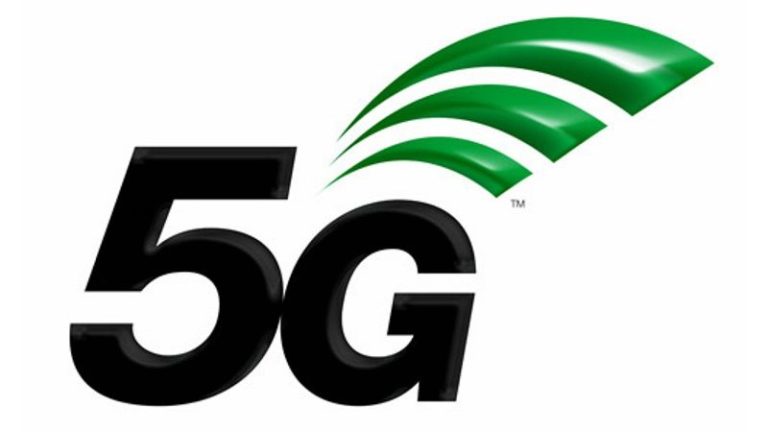
5G is the next generation of wireless service, and it’s expected to bring a big boost in speed and network responsiveness, which opens the door to a better mobile experience, as well new areas of tech like streaming VR or telemedicine. The major US wireless carriers are in a race to be first.
AT&T has already launched a 5G network in a few markets, but it’s currently only available via mobile hotspots. It has yet to launch new phones to access that network. Verizon has also launched its 5G Home service, which has also been criticized as not true 5G since it’s not standards-based and uses a proprietary approach based on millimeter-wave spectrum. It’s also not designed as a mobile service and is meant to provide last-mile broadband connectivity into people’s homes.