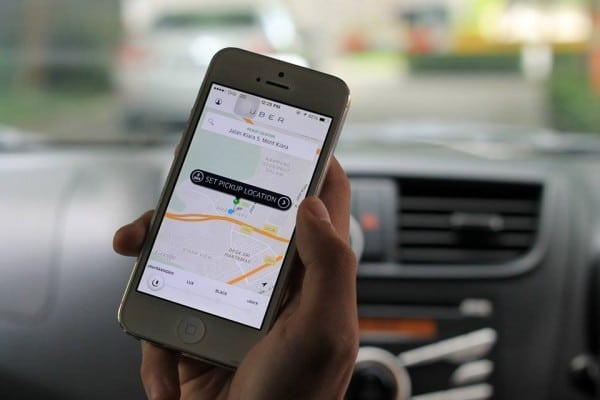
From booking a ride to stepping out of the vehicle upon arrival is all managed over the mobile device is what Uber is aiming to provide, with mobile payment the rider can now even experience a smoother ride without the hassle of looking for credit or debit cards or cash.
In a region where cash is still the predominant method of transaction, Southeast Asia is at the cusp of financial revolution with fintech companies looking to disrupt traditional ways. Vietnam with a population of 90 million is one such example, Uber is looking to ease the use of its services by working with a leading fintech company MoMo allowing riders to pay for trips using the providers mobile wallet a popular digital payment platform in the country.
A common scenario across the region including Malaysia, many of the people still don’t have credit or debit cards, yet want the convenience of a cashless transaction. With MoMo’s five million app users already pay for utility bills, airline tickets and other services with the wallet, the transition is using the ewallet for rides just comes naturally.
The partnership, the first of its kind for Uber in Southeast Asia with the advent of mobile payment providers will accelerate adoption of ride hailing services and other similar digital activities which require payments. Over here, Bank Negara has already given out 26 company’s approval to start mobile payment services and we have already started seeing proliferation of foreign players like Tencent with WeChat Pay and Alibaba’s AliPay making its way into the system.
Axiata with Boost mobile payment has started rolling out its services and looks to be operator agnostic by offering rewards and vouchers to hasten adoption. Telco’s like Digi and Celcom also offer direct debit services over their app’s but limited to their subscriber base. It will just a matter of time before merchants and providers assimilate to create the ecosystem for mobile payment grow.