Back in March, Uber halted its self-driving cars program, after a fatal accident, the first known pedestrian death caused by a vehicle in full autonomous mode. After that, Uber fell under the scrutiny of local police, lawmakers and federal investigators.
Now the company says it’s ready to put its self-driving fleet back on public roads.
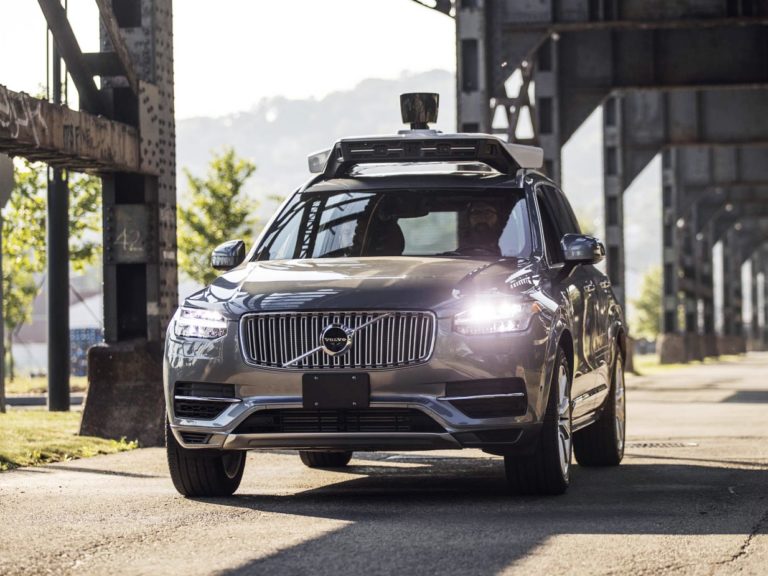
Uber’s self-driving cars resumed on-road testing in Pittsburgh on Thursday. This follows approval from Pennsylvania’s Department of Transportation for Uber to test the vehicles on state roads. Pittsburgh was the first city to host Uber’s self-driving cars and is home to the company’s autonomous-vehicle HQ.
“Over the past nine months, we’ve made safety core to everything we do,” Eric Meyhofer, head of Uber’s autonomous-vehicle program, said in a statement Thursday. “This required a lot of introspection and took some time. Now we are ready to move forward.”
Uber will also put self-driving cars back on the streets of San Francisco and Toronto, though these vehicles won’t be operating in full autonomous mode just yet.
Best known for its ride-hailing service, Uber has been operating self-driving cars in the same manual mode in Pittsburgh since July. This type of driving allows the cars’ systems to map city streets and helps ready the vehicles for the open road.
The March Incident
The deadly March crash raised questions about whether the company could keep it up and running. Since then, Uber has shuttered its self-driving car operations in Arizona, where the crash occurred, and laid off all its nearly 300 autonomous-vehicle test drivers in the state. It’s laid off another 100 test drivers in Pittsburgh.
The accident happened on a Sunday night in Arizona. Video footage from the car’s dashboard cameras captured the crash. One video shows the pedestrian, Elaine Herzberg, walking her red bike across a dark road at the moment of impact. Another video shows the ride-along safety driver sitting at the wheel constantly glancing down at her smartphone in her lap. She looks up just as the car collides with Herzberg.
Federal investigators are still working on their full report about what went wrong, but they’ve released some preliminary information. It appears one of the causes of the accident may have been that the automatic emergency braking system was disabled.
Uber said the automatic emergency braking system on all its self-driving cars will be activated at all times going forward.
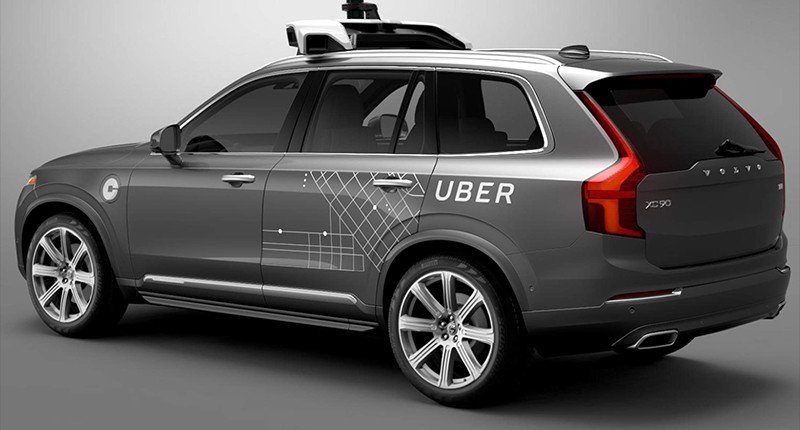
It is partnering with Volvo, which built the car involved in the crash.
The company also said it’ll have two safety drivers at the wheel of all cars. These drivers will be tracked to ensure they’re actively monitoring the vehicle. Additionally, Uber’s self-driving cars will no longer carry passengers, as they did in the past. They’ll only operate during daylight hours on weekdays.