The race to be the market leader in 5G started 2 years back, with the likes of European and Asian tech giants competing to capture the billions allocated as telco’s look to migrate from 4G. Untli early this year Huawei of China was seemingly edging in becoming the dominant player in the next generation telecommunication technology with unbelievable advancement and speed it was developing 5G products and not to mention how affordable they were. Then something happened, a certain US President had tantrum and stopped Huawei at its heels. Now the race has been blown open with Samsung looking to regain its past glory as a technology leader.
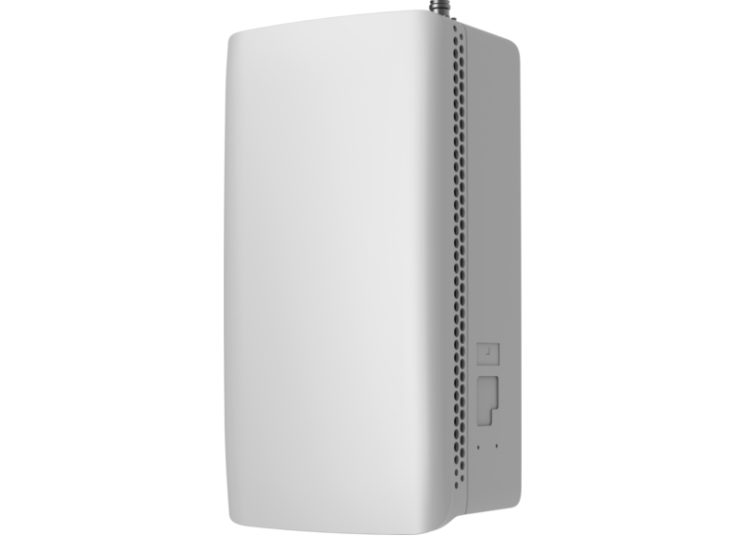
At the recently held MWC in Los Angeles, Samsung Electronics releases it new 5G New Radio (NR) Access Unit that supports 28GHz spectrum making it also the first integrated radio for mmWave spectrum, compliant to the 3GPP NR standard.
The company has already deployed its first-generation 5G NR radio base stations in the U.S. with separated radio and digital units. By integrating these RU-DU technologies with 1,024 antenna elements for mmWave spectrum into one compact box, the new boxes which can deliver 100 Gbps can be easily installed on streetlight poles and building walls, unlike current antenna’s that protrude above building making them an eyesore. They are also easier to install.
“Samsung has a long history of network innovation. Our innovative spirit has led us to introduce next generation technologies and open up a new 5G era,” said Paul Kyungwhoon Cheun, Executive Vice President and Head of Networks Business at Samsung Electronics.
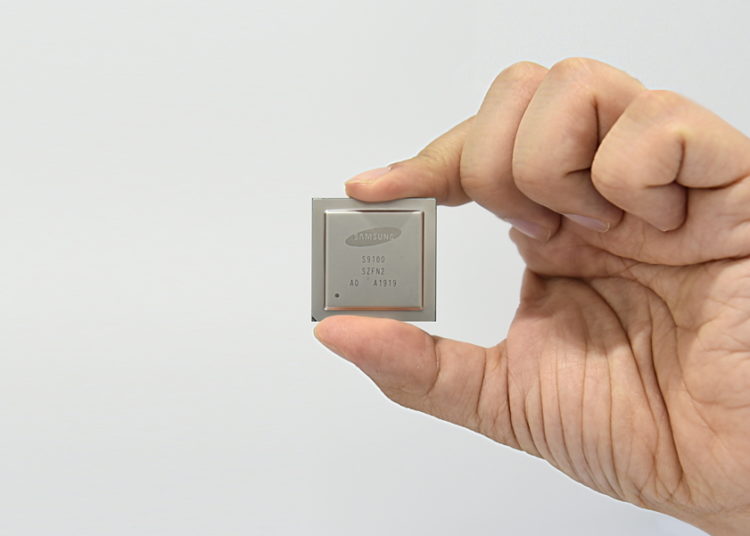
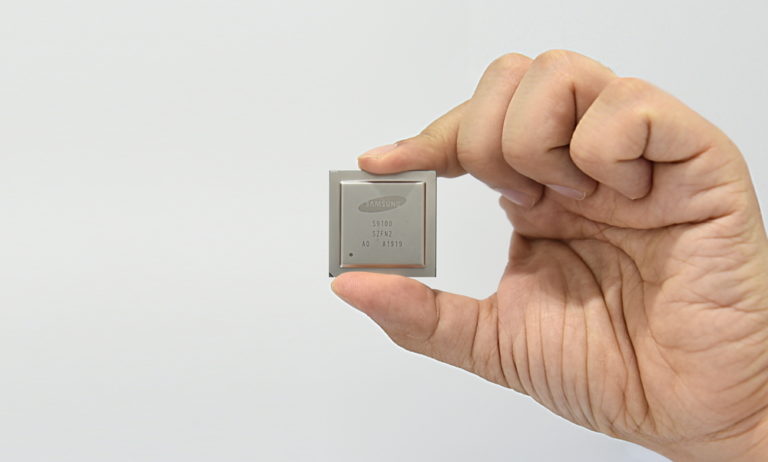
In addition, Samsung’s new AU runs on its own in-house 5G RF chipset, which was announced earlier this year, the first 5G NR system-on-a-chip (SoC) modem (S9100). This chipset enables an approximate 25 percent reduction in size, weight and power consumption, when compared to the same solution without an embedded 5G RF chipset. The AU’s new 5G NR modem substantially increases power efficiency.
The company currently has commercial solutions for 2.5GHz, 3.5-4.1GHz, 26-28GHz and 39GHz and introduced a new 5G RFIC chip for the 24-27GHz spectrum, which will support new radios in 2020. The 5G portfolio now includes a mix of integrated and non-integrated architectures as well as transceiver paths to meet multiple deployment scenarios for operators including outdoor pole-mount, strand-mountor in-building.
US has strict restriction on 5G deployment with Huawei being banned in the country this gives Samsung an upper hand in the biggest commercial market in the world for its 5G product. Its obvious the Korean chip maker is not sitting around for an invitation. Whatever the reason Trump had to ban the Chinese company, without a strong competition Sammy could become the leader in the 5G race…for now!