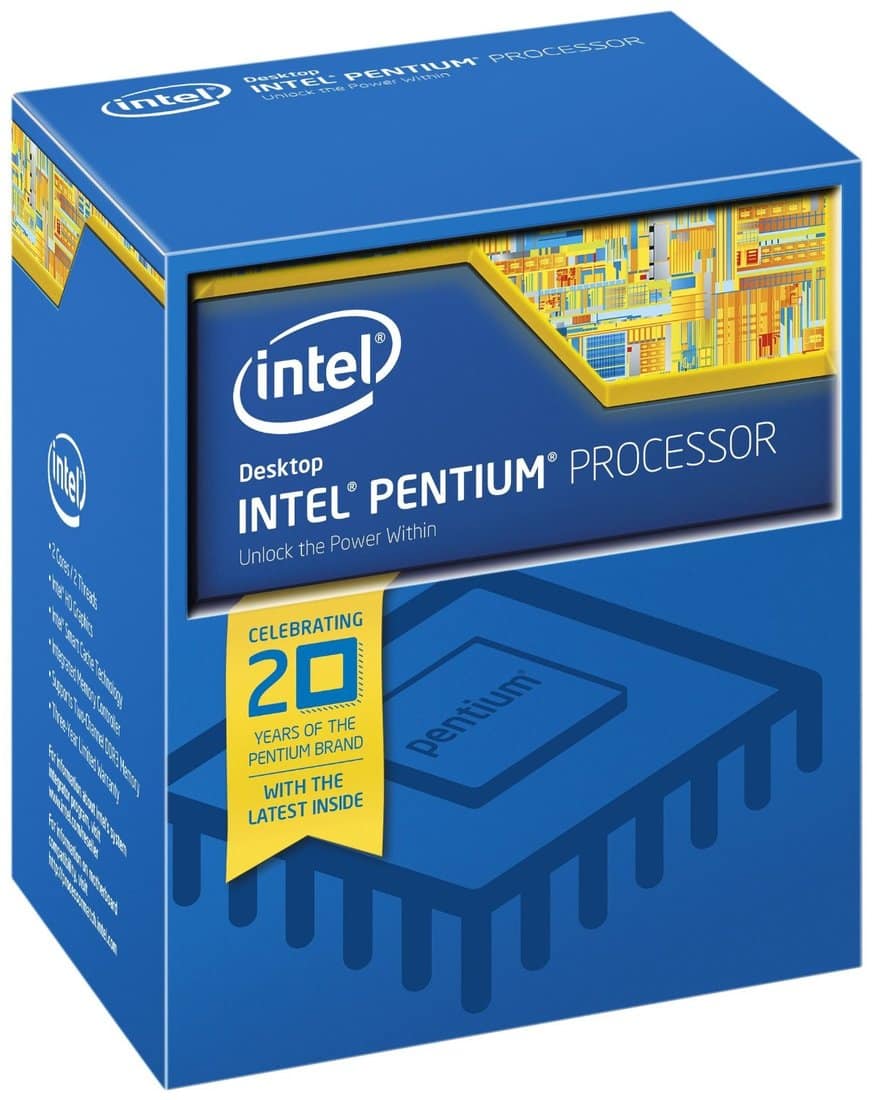
Intel celebrates with the Intel Pentium Anniversary Edition.
Personally I love high performance, high speed CPUs. What’s there not to love? You are getting all the performance and if that’s not enough, you can also overclock it to extract some extra grunt out of it too. But this performance and overclockablity (is that even a word?) comes with a price. Literally. Tweaked processors are usually unlocked and would usually cost a bomb. This means it could easily take out a majority of your PC budget. New enthuthiasts that want to have a hands on experience in overclocking do not really have something that they could play with, well without burning a serious hole in their pocket at least. Oh do I wish we have something cheap, a processor that you can overclock just for fun without having to spend a fortune.
Return of a Legend
Thanks to Intel, now there is one platform that can be considered. While most of the hubbub and focus have been on the new Intel Devil’s Canyon, it can be said that there had also been massive hype when the Intel Pentium Anniversary Edition appeared. It wouldn’t do if there isn’t any since the comeback is essentially part of the festivities for Pentium’s 20th anniversary celebrations. What makes this Pentium unique is that it comes fully unlocked, meaning you can overclock this processor to your heart’s content! And the folks from Intel Malaysia has been kind enough to send us one to review! *Fist pump!*
Power in a Half Shell
These days, Pentium is known as Intel’s current line of budget processor. Borrowing the name from the chipmaker’s original powerful line of processors of yesteryear, the Pentium now is marketed as a cheap, no nonsense, reliable workhorse that gets the job done. While it might lack the grunt of the higher-end ‘Core’ models, it’s good enough for work or even light gaming if one insists. With some extra speed, you can basically get the performance of a higher rated/priced processor without overspending.
Same Looks
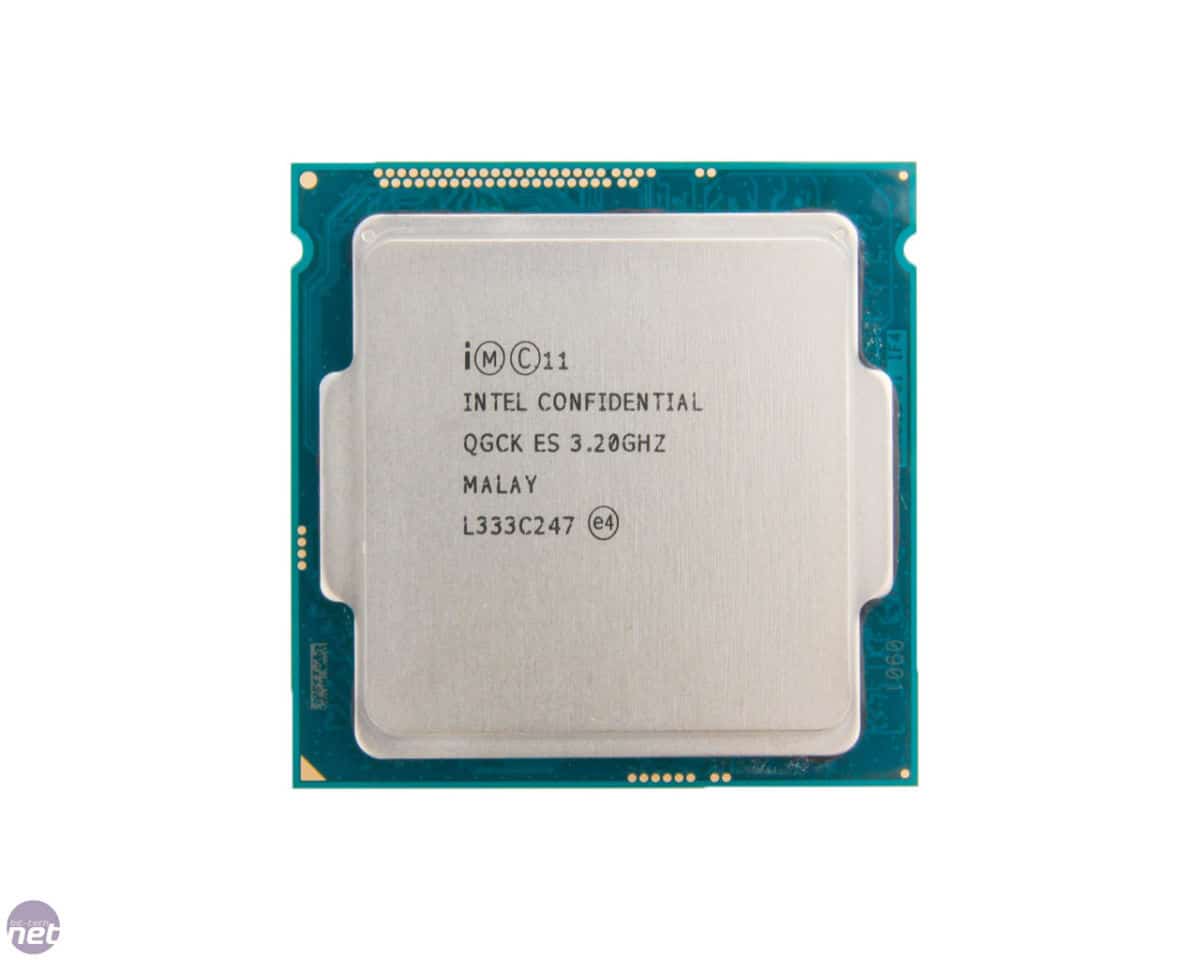
The Intel Pentium Anniversary Edition is very similar to Intel’s exisiting line of Pentium processors. It’s dual-core, comes with 3MB of L3 cache, and supports DDR3 memory with speeds of up to 1333MHz. It even comes with Intel HD graphics built-in. The key difference here is being able to push the clockspeed of this CPU as much as it can go, provided there is adequate cooling equipment.
Fully Adult
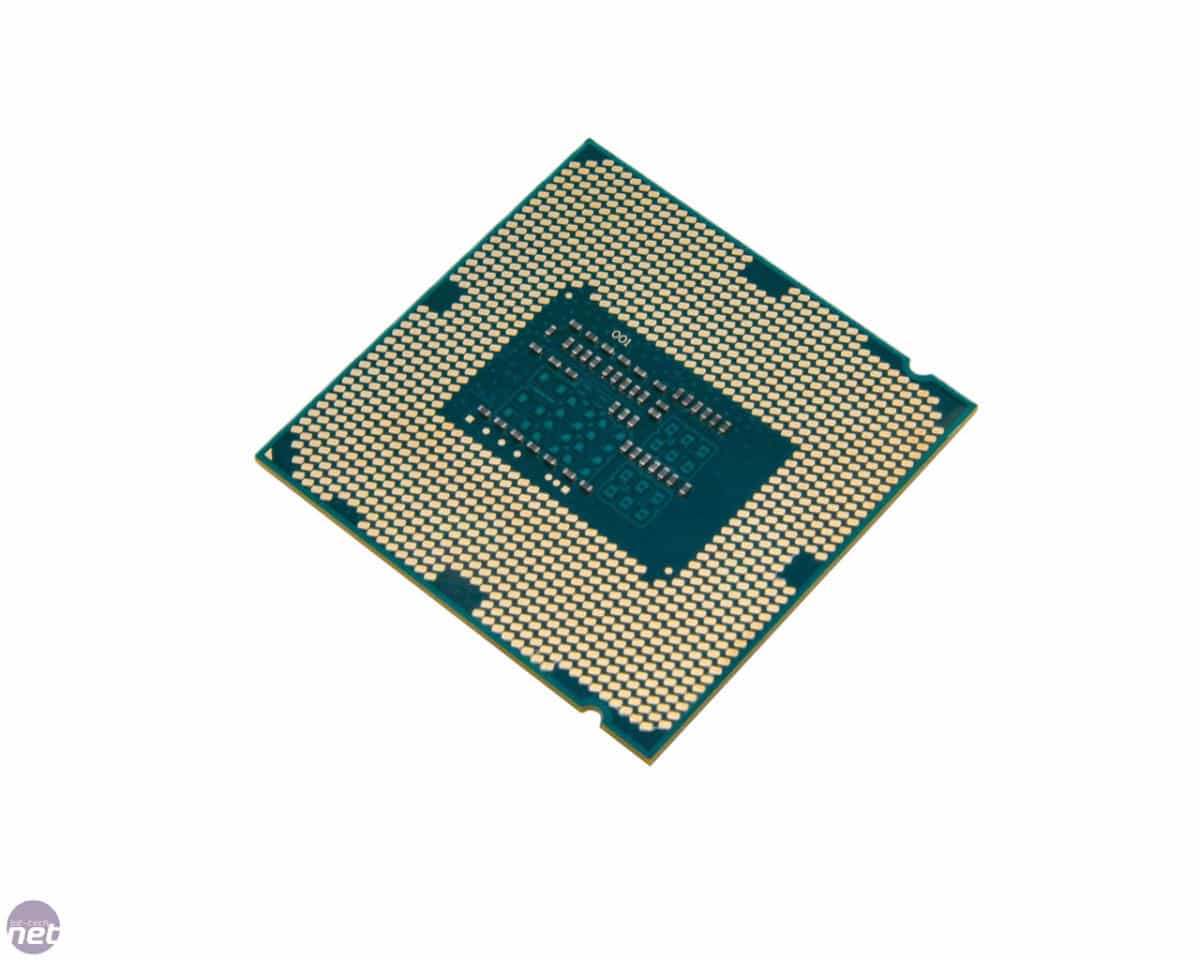
The Intel Pentium Anniversary Edition is of the LGA1150 socket type, which means users can use motherboards that has the existing Z87 or H87 chipset, as well as the newer Z97 chipset. Do note that for the older chipset, you might need to get a BIOS update from your motherboard website to fully support this processor. While it operates on a base speed of 3.2Ghz, which might sound normal to users who are used with higher speed processors, I had this sinking suspicion that I can get a lot more out of the Unlocked Pentium if I managed to overclock this sleeping beast manually. Take note: this is important as it lacks the Turbo Boost feature of the higher-end models, which is very handy as it automatically overlocks an Intel Processor if the CPU is found to be on under-performing in heavy loads. With the Anniversary edition, any overclocking required is done without the automated support. Cue long testing sessions to see which speed is the most stable for your processor -but hey, that is how we roll!
Pimping Ain’t Easy
It had been during testing that I find there is a subtle irony with the Intel Pentium Anniversary processor. For it to show it’s full potential, you do need a good board that supports the full monty of overclocking features. Keep in mind that these chipsets are usually on the highest-end of the motherboard chain. This means while you can get the new Pentium CPU at affordable pricing, you might have to spend top Ringgits for the mainboard. I sincerly wish that there would be equally as affordable motherboards to pair up with this processor to make a decently priced overclocking system. Thankfully, there are rumours of manufacturers releasing limited edition systems specifically for the Intel Pentium Anniversary Edition in the future. However, you’ll have to pay to gain performance for the moment.
Odd RAM
Personally, the DDR3 1333MHz support on the Unlocked Pentium is too low, since there are similar systems out there that support DDR3 1600MHz. This means you can’t use high-speed RAM, specifically ones that are rated above 2666MHz. Then again, this is just a small issue which does not really effect the performance of the Intel Pentium Anniversary Edition.
Top Speed
I tested the processor on an ASUS Sabertooth Z97 motherboard, and paired it up with two DDR3 1866 Kingston HyperX RAMs. At first, using the ASUS’ auto overclocking feature in the BIOS, the motherboard managed to reach a speed of 4.0GHz. This is phenomenal as is, considering that the base speed of the processor is only 3.2GHz. Taking matters into my own hands, I tried some manual overclocking and managed to bump up the CPU voltage to make sure everything is stable. In due process, I slowly managed to reach 4.4GHz, which is an achievement on it’s own.
Heat Up
It might be due to the stock Intel fan that I am using but 4.4GHz is the most stable speed I could get with the Unlocked Pentium before it started acting up. That’s a good rate for clockspeeds nontheless. A better cooling fan could lead to higher ratings but I am rather satisfied with the results I got. Honestly speaking, it’s fun to see how far the Intel Pentium Anniversary Edition processor could go. In fact, the process of tweaking this CPU reminds me of the good ol’ days of the the old Pentiums, where there are no Turbo Boost to help out or auto overclocking built into your motherboard. Honestly speaking, I don’t see any reason to buy this processor other than it’s a great processor to overclock and fiddle around with. Just for this reason only, we suggest, no, we beg you, to buy this processor. Go on. It will certainly be a lot of fun.
Number of Cores: 2
Number of Threads: 2
Clockspeed: 3.2GHz
Cache: 3MB
DMI2: 5GT/s
Instruction Set: 64-bit
Instruction Set Extensions: SE4.1/4.2
Lithography: 22nm
Scalability: 1S Only
Max TDP: 53W
PCMark 8 score
Creative – 2320 (2877 OC)
Home – 2712 (3011 OC)
Value: 8/10
Features: 9/10
Performance: 8/10
Design: 9/10
Usability: 9/10
Total: 8.6/10
Verdict: Fun times for modding to be had with the new Pentium.