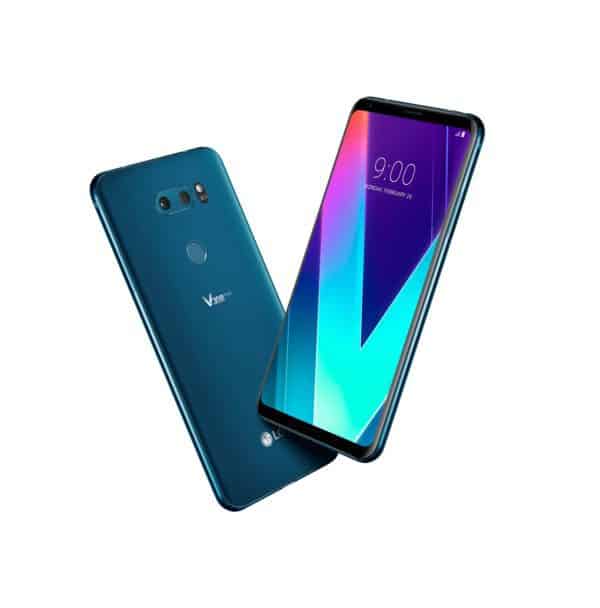
After a disappointing year of smartphones that didn’t really see the light of day, LG introduces its LG V30S ThinQ smartphone with integrated artificial intelligence (AI) technology. This is essentially an upgrade to the LG V30 introduced last year, which will see AI integrated into the commonly used features.
If the name ThinQ sounds familiar, it is because LG already spoke about its ThinQ AI technology during CES 2018.
Vision AI
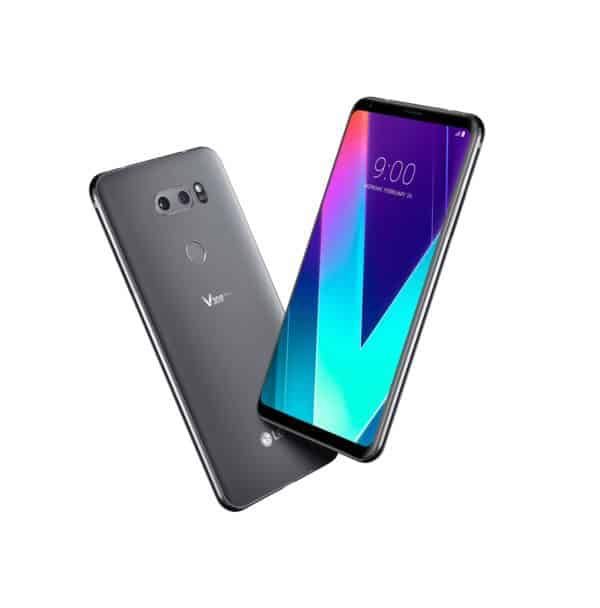
One way AI will be assisting the LG V30S is through Vision AI, which make will smartphone photography all the more intuitive. Vision AI will come with three intelligent camera features: AI CAM, QLens and Bright Mode. This will assist both professional and newcomers when it comes to sharpening their smartphone photography experience.
AI CAM is LG’s way of using AI technology to determine the subject in the frame, which will then suggest the correct shooting mode among eight categories. This can be found in a few other premium flagship smartphones like the Huawei Mate 10 Pro for instance. QLens takes advantage of image recognition capabilities of the AI technology with QR codes. This means the LG V30S will be able to capture QR codes to make for a much more exceptional online shopping experience.
You can also capture images through QLens, which will then redirect you to where you can buy the product online at the lowest price. Recommendations to similar products will also be given. By performing an image search with QLens, you will be able to see matching or similar images of food, fashion and celebrities or detailed information of landmarks. This is another similar approach taken by LG as it’s already being done by other premium flagships like the Google Pixel 2 as well as the Samsung Galaxy Note8.
Lastly, it’s Bright Mode, which will assist low-light photography in the LG V30S. Bright Mode will use an algorithm to help brighten the images by a factor of two, thus eliminating any noise found on the images. This is a stark difference from smartphone cameras usually measuring ambient light.
Voice AI
Another feature that will be coming to the LG V30S ThinQ smartphone is Voice AI. This allows the smartphone to be used through voice commands alone. From opening apps to changing settings, Voice AI is working alongside Google Assistant. This cancels out the need to search through the menu while allowing for direct selection of specific functions.
The LG V30S ThinQ as a Whole
Aside from its AI capabilities, the LG V30S ThinQ will run on the Qualcomm Snapdragion 835 mobile processor. It will also receive an upgrade to carry 6GB of RAM. Another upgrade is to its on-board internal storage space, which now sits at 128GB. The LG V30S+ ThinQ will sport 256GB, a much bigger expansion, which means you will virtually never need the help of a microSD card. You can still opt for a microSD card, which can carry up to 2TB.
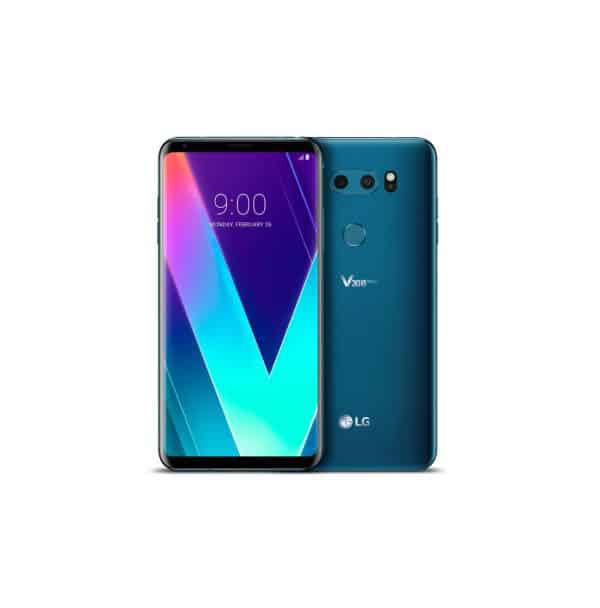
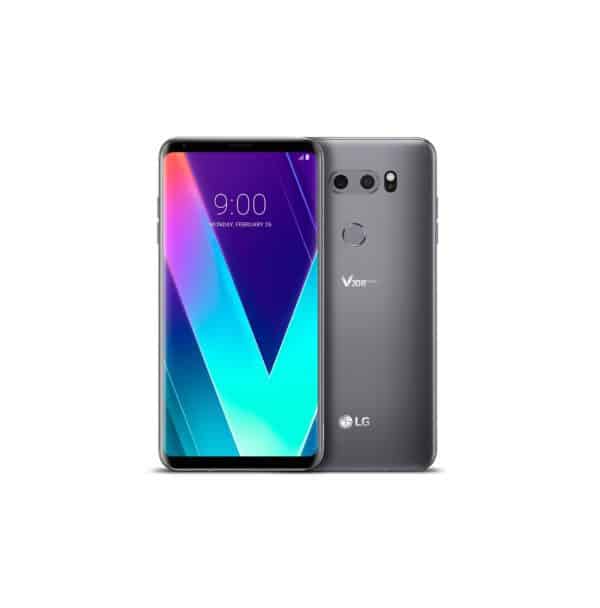
The overall display of the LG V30S ThinQ is still one of the thinnest and lightest smartphones, with a 6-inch QuadHD+ OLED FullVision display panel, 2880 x 1440 pixel resolution and an 18:9 aspect ratio. At the back, the LG V30S ThinQ is carrying a dual-camera setup, mainly a 16-megapixel standard angle with f/1.6 aperture and a 13-megapixel wide-angle lens with f/1.9 aperture. It will also be running on Android 8.0 Oreo, carry a 3,300mAh battery and will come in two new colourways: Moroccan Blue and Platinum Gray.
If that isn’t enough to entice you, the LG V30S ThinQ is IP68 water and dust resistant certified; it has a 32-bit Hi-Fi Quad digital-analogue converter (DAC); it supports HDR10; there’s facial and voice recognition software and it will also have wireless charging with Qualcomm FastCharge 3.0 technology.
Unfortunately, there are no news as to when the LG V30S ThinQ will be available and at what price.
More MWC 2018 stories can be found in the targeted tag that is now used to curate the coverage for this event.