The full realisation of 5G will need connectivity like we have never seen, creating smart cities, enabling augmented reality and autonomous vehicles, and linking machines via the Internet of Things to pave the way for the Fourth Industrial Revolution.
As consumers are increasingly hungry for high-quality, video-rich content in an age where everything from ride-hailing, banking to grocery shopping and healthcare take place online, 5G will offer faster speeds with lower latency to meet these increasing data demands, which are set to grow further as new devices and IoT-enabled machines are onboarded to mobile networks.
According to the November 2019 edition of the Ericsson Mobility Report, global 5G subscriptions are expected to reach 2.6 billion by the end of 2025. Covering up to 65 percent of the global population, 5G networks are expected to generate 45 percent of total global data traffic .
With 5G’s increased speed and lower latency, bandwidth demands can be met more quickly and efficiently and this will be vital to managing the surge of mobile data traffic crossing networks, which is expected to reach 160 exabytes by the end of 2025.
Meeting this demand requires network densification to add more cell sites, which traditionally would be done by increasing the number of cell towers in a given area, optimally near densely populated urban areas where there are higher number of users. However, with the space constraints and urban planning requirements in today’s cities, it is a challenge to build traditional towers close to urban populations, as they take up valuable real estate and clutter the skyline.
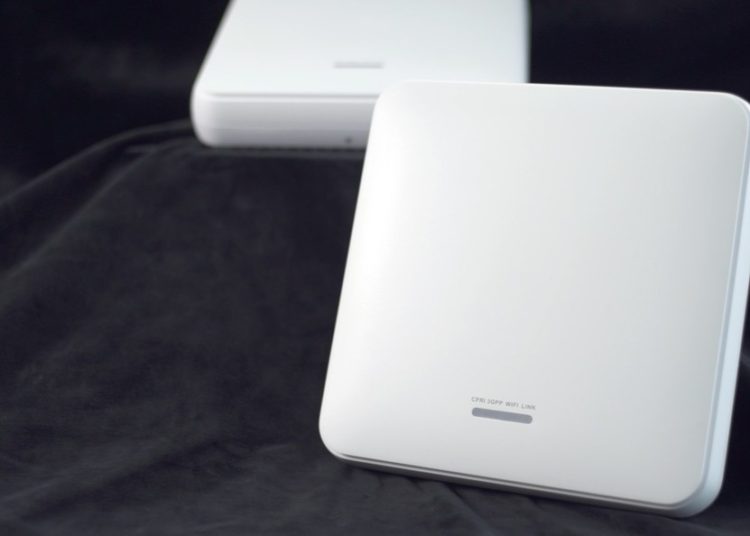
Additionally, 5G has different infrastructure needs – it utilises bandwidth with lower reach than previously utilised spectrum, thus requiring many more access points in order to serve customers. The solution, therefore, doesn’t lie in simply increasing the number of towers, but rather in deploying a solution such as small cells – low-powered radio access points which connect mobile devices to mobile networks over a small area. Functioning as a cell site condensed to the size of a modem, they improve coverage, add targeted capacity, and support new services and user experiences while meeting space and aesthetic requirements in urban areas.
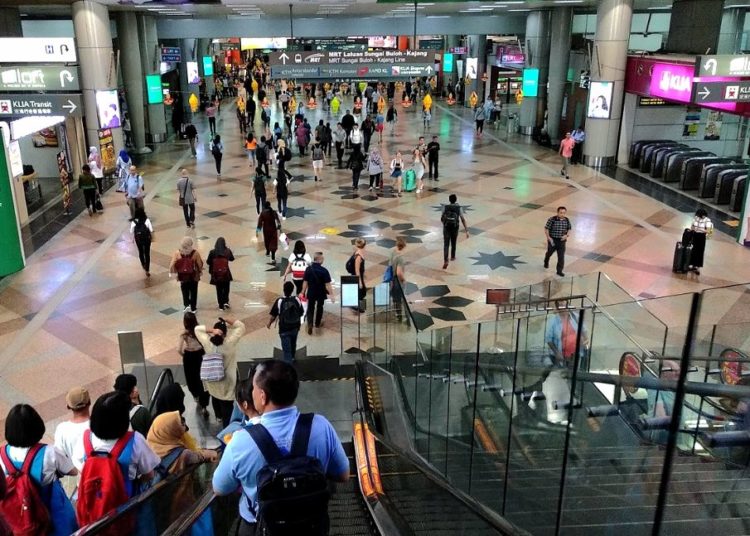
Across the region, edotco, an integrated telecommunications infrastructure services company, is deploying these plug-and-play indoor small cells solutions, one such case being a proof of concept that produced the world’s first multi-operator, multi-technology small cells indoor solution at the Kuala Lumpur Sentral Station, Malaysia’s largest transit hub. Shared by four MNOs, the solution provides enhanced coverage and connectivity for up to 180,000 commuters passing through the hub.
Small cells can also be deployed outdoors as smart street furniture that optimises the management of public infrastructure, especially where space may be limited. Deployed onto existing infrastructure such as billboards, lamp poles and bus stops to provide WiFi, illuminate city streets to increase public safety, and provide comfortable and efficient transit points, these smart solutions increase capacity while blending seamlessly into urban environments.
Facilitating 5G networks through the utilisation of small cells solutions hinges on shared infrastructure to effectively bring this vision to life. The opportunities presented by small cells will favour operators who know how, when and where to successfully deploy them.
By Suresh Sidhu, CEO eDotco