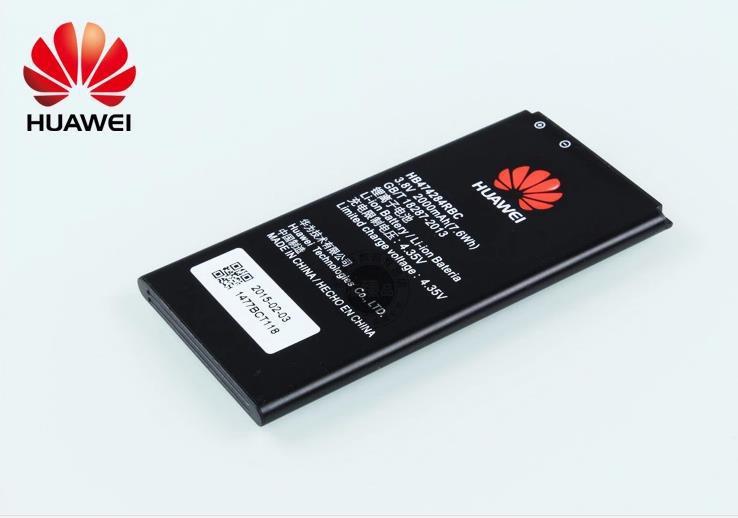
The fiasco that engulfed main rival Samsung when the Note 7 battery exploded and burned its victim last year has played a pivotal role on manufacturers when it comes to battery safety in smartphones. Taken for granted in the past, the case shone a bright light on the dangers these tiny gadgets can cause to human life.
Taking a precautionary approach and leaving the experts to test their new super charging technology for the battery, Huawei Consumer Business division that’s in charge of the mobile devices has tapped German specialist TÜV Rheinland to certify the innovation. Know for its stringent and thorough approach, the certification will only be delivered upon complete test of the technology from end to end and successfully completed the rigorous tests set forth. It will include testing every component, adapters, IC circuits and charging cable materials, low temperature and thermal shock tests.
“Over the past 145 years, TÜV Rheinland has committed itself to ensuring that complex devices and products meet rigorous safety standards that meet consumer expectations,” said Kalyan Varma, VP of Business Field Electrical, Products, Global of TÜV Rheinland.
“With each of our products, we strive not only to deliver the features and performance that consumers are looking for – but to go beyond where our competitors are in terms of experience,” said Bruce Li, Vice President of Handset Business at Huawei Consumer Business Group. “
SuperCharge technology enables continuous “communication” between the device and the charger. By monitoring every single point of the charging cycle, it is able to intelligently auto-adjust voltage and current output to maximize charging speed based on the capacity of the phone, adapter and cable. To keep fast-charging phones cool, the technology uses a 4.5V/5A low-voltage charging solution.
In addition, the connectors and charging jack on Huawei’s devices are programmed to automatically suspend the supply of electricity if they come into contact with water. This intelligent safeguard is in place to prevent short circuits and device fires.