KUALA LUMPUR: Malaysia’s games industry is seeking more specialised talent with advanced technical expertise, creative capabilities and industry experience as local studios strengthen their operations and compete with other technology sectors for skilled professionals.
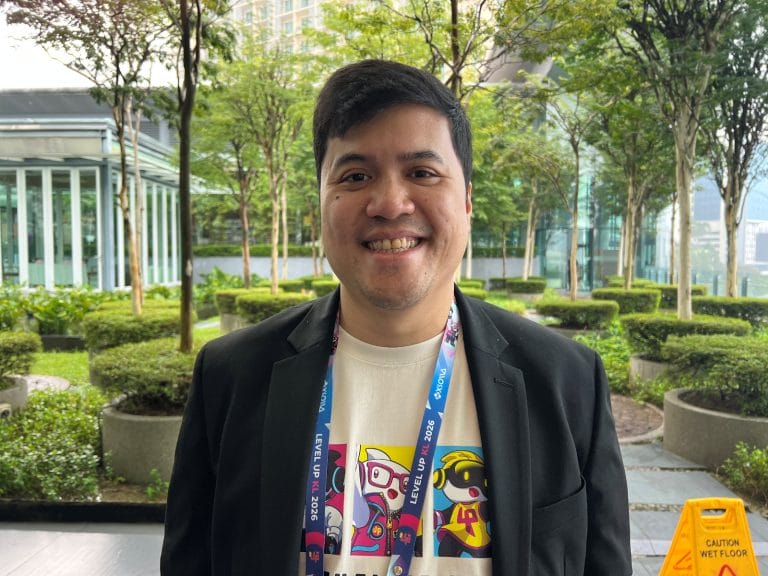
Malaysia Digital Economy Corporation (MDEC) Head of Games and Interactive Media Amir Azlan Sapuan said that while Malaysia has established a strong pool of creative talent, the next challenge is to develop professionals with deeper expertise and the specialised capabilities required by game development studios.
“Malaysia has built a strong foundation in game development, particularly in creative talent. As the industry matures, the priority is to deepen our capabilities, develop more specialised professionals and strengthen the expertise that will enable Malaysian studios to undertake increasingly sophisticated projects,” he said. “The next phase of growth will depend as much on the quality and depth of our talent as on the number of people entering the industry.”
Amir added that the industry particularly needs experienced artists, including those with more than five years of practical experience, alongside technical artists who possess both creative and programming skills. Such multidisciplinary capabilities are increasingly important as game development requires close integration between artistic creativity and software engineering.
The shortage of programmers is another challenge confronting the industry as game studios must compete for talent with other technology sectors such as financial technology (fintech), blockchain and artificial intelligence (AI), which generally offer more attractive remuneration.
“The shortage of programmers is not unique to the games industry. We are competing for essentially the same pool of technical talent as fintech, blockchain and AI, where remuneration can be more attractive,” shared Amir.
“This means the industry needs to do more to demonstrate that game development offers challenging technical work, opportunities for specialisation and meaningful long-term career prospects.”
The challenge was therefore not merely one of attracting more people into the industry but also ensuring that the available talent possesses the specialised skills and practical experience required by game development studios.
Beyond programming and visual arts, Amir said that the industry also requires a broader range of professionals, including those involved in audio production, game design, game production, game direction, publishing and marketing.
“A successful games industry requires an entire ecosystem of specialised talent. Beyond artists and programmers, we need experienced producers, game designers, directors, audio professionals and people who understand publishing and marketing,” said Amir.
“Each discipline contributes to the development and commercial success of a game. Strengthening these capabilities is essential if Malaysian studios are to move beyond delivering projects towards creating and commercialising their own intellectual property.”
As a result, the growing demand for specialised capabilities presents career opportunities for Malaysians from different technical and creative backgrounds, while highlighting the need for closer alignment between talent development and the industry’s evolving requirements.
He was speaking on the sidelines of LEVEL UP KL 2026, organised by MDEC, which brought together game developers, publishers, investors and technology leaders from around the world to explore business opportunities, industry collaboration and talent development.
Malaysia is seeking to accelerate the growth of its established games industry by attracting high-value investments, strengthening local development capabilities and supporting the creation of Malaysian-owned intellectual property (IP) for global markets.
According to preliminary MDEC data, the country’s digital content ecosystem comprises approximately 300 companies with Malaysia Digital status, including about 100 involved in game development, spanning development services and original IP creation.
Talent development is also a key focus of MDEC’s efforts, with LEVEL UP KL 2026 featuring a dedicated Talent Hub offering mentorship, portfolio reviews and career guidance through industry practitioners and educational institutions.
MDEC is also engaging game studios to better understand their evolving skills requirements and support the industry’s long-term development.
The event, which has grown into a regional industry platform over approximately 12 years, featured more than 50 speakers and 25 conference topics. LEVEL UP KL 2026 targeted 400 business meetings, RM120 million in export opportunities and RM100 million in investment opportunities, with 100 businesses expected to benefit from its industry engagement programmes.
Note: This article was contributed by Strat Comms practitioner Michael Ang. Views expressed are his own.