

As the COVID-19 epidemic situation remains the center of attention, people are connecting with each other more than ever for support and information. While it is important for us to share relevant information, we should always make sure to only share official, trusted and accurate information. When a piece of unverified and inaccurate information is shared widely, it can cause public confusion, panic and anxiety. We all have a role to play to curb the spread of misinformation.
Here are some tips on how you can make sure that the information you share is accurate, and avoiding sharing misinformation:
- Don’t Just Rely On The Headline
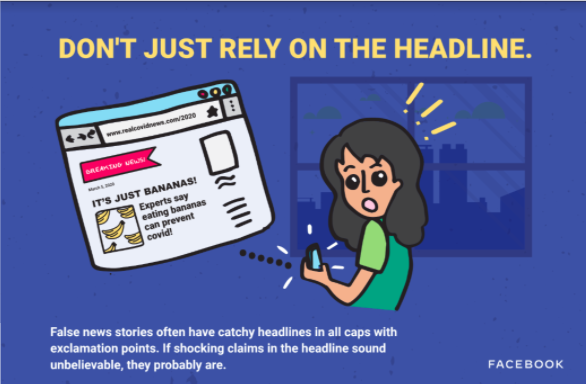 Clickbait headlines are written to lure readers in with outrageous claims. If a headline sounds unbelievable, it probably is. Be sure to read through the whole piece and don’t share anything based on the headline alone. Check the author’s sources to confirm that they are accurate. Lack of evidence or reliance on unnamed experts may indicate a false news story.
- Look Closely At The URL
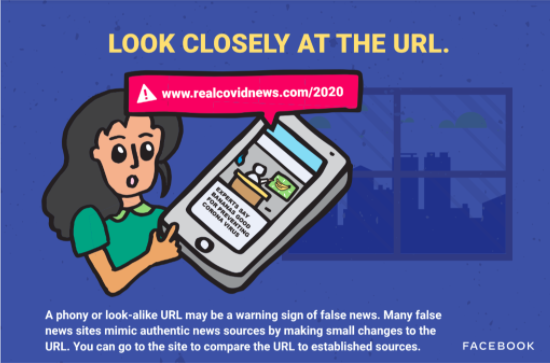 Ensure that the story is written by a source that you trust with a reputation for accuracy. If the story comes from an unfamiliar source, check their “About” section to learn more. Be sure to also check out the page URL as some fake news sites might use similar looking URLs.
- Inspect Photos Carefully
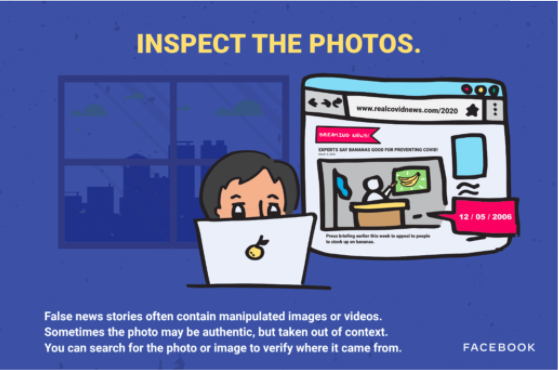 Be sure to verify that the photos are not manipulated or digitally altered and have come from a trusted source. It is a rule of thumb that if you’re unsure, then it’s always best to check first.
- Look At Other Stories
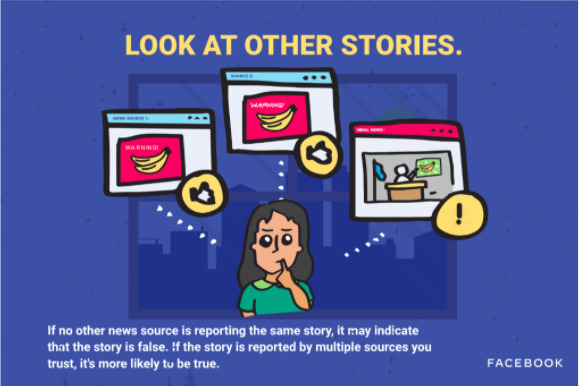 Make sure you cross check different news sites to see if they’re all carrying the same news as that is a mark that the story can be trusted. Also make sure it’s coming from a verified news outlet.
- Some Stories Are Intentionally False
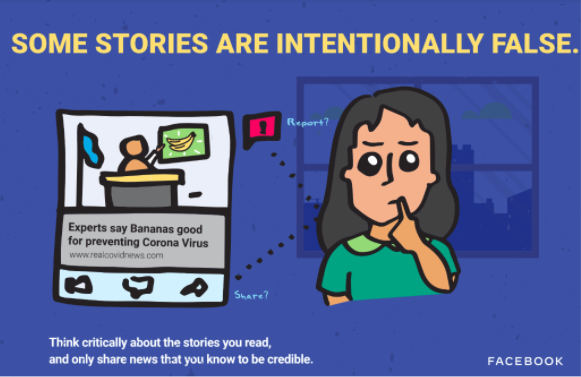 Sometimes false news stories can be hard to distinguish from humor or satire. Check whether the source is known for parody, and whether the story’s details and tone suggest it may be just for fun. It’s essential to critically evaluate the stories you read, and only share news that you know to be credible.
Here are also some top tips to make sure that the information you share is accurate, and to avoid sharing misinformation on WhatsApp:
Stop and think before you share a forwarded message
Check for signs that help you decide if the information is fake, for example, forwarded messages with no source or no evidence. Messages with the ‘Forwarded’ label help you determine if your friend or relative wrote the message or if it originally came from someone else. When a message is forwarded from one user to another more than five times, it’s indicated with a ‘double arrow’ icon to show that it is a ‘highly forwarded’ message. When you see this, be sure to stop and verify the information before you forward it on.
Help stop the spread
If you see something that doesn’t sound right or makes unofficial medical claims, ask the sender if they can verify the information. Don’t share a message just because someone tells you to, even if they’re a friend.
Verify with other sources
Search online for facts and check trusted sites such as the WHO, Ministry of Health, local authorities, or trusted news sites to see where the story came from.
Report messages or users sharing inaccurate information
We encourage users to report problematic content, contacts or groups to us. You can report any information from within the WhatsApp app by visiting ‘settings>Help>contact us’.
Check out the tutorial here if you would like to understand more.
Finally, if you’re ever in doubt, do refer to official sources of information as listed below:
- Ministry of Health Malaysia – COVID-19 Advisories
- Ministry of Health Malaysia – Facebook