Be careful when you shop and make sure you are well informed!

Now those of us in the know are familiar with the fact that motherboard revisions are common. These tend to be exercises in cutting cost, especially in midrange motherboards, but there are rare occasions when boards that get improved. Manufacturers also do this to redesign layouts, if they find a need for it. Most of the time, barring reduction in a USB port or two, or something similarly minor, motherboard manufacturers never remove core features.
The story goes that this chap bought a Gigabyte motherboard from a store in Singapore and ended up not getting what was advertised by the shop in question; instead of a Revision 1 he ended up getting Revision 2. So whose fault is it: Gigabyte, the retailer, or the consumer himself? Let’s analyse this.
From Gigabyte’s point of perspective, these revisions are inevitable. There’s no manufacturer that will not revise its products, especially if it means lowered costs. On their website, you’ll be able to see if a motherboard has different revisions on its individual product page and I think Gigabyte has done some part in being transparent. However, some may argue that it isn’t enough.
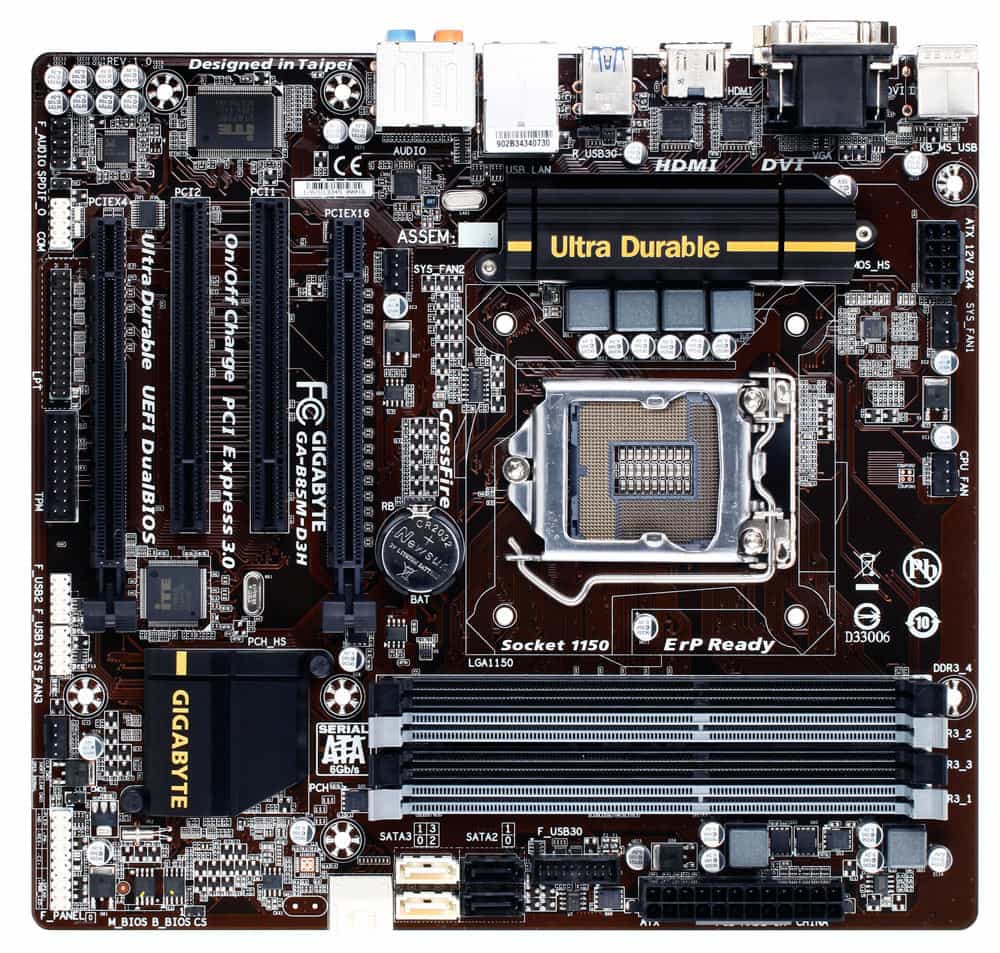
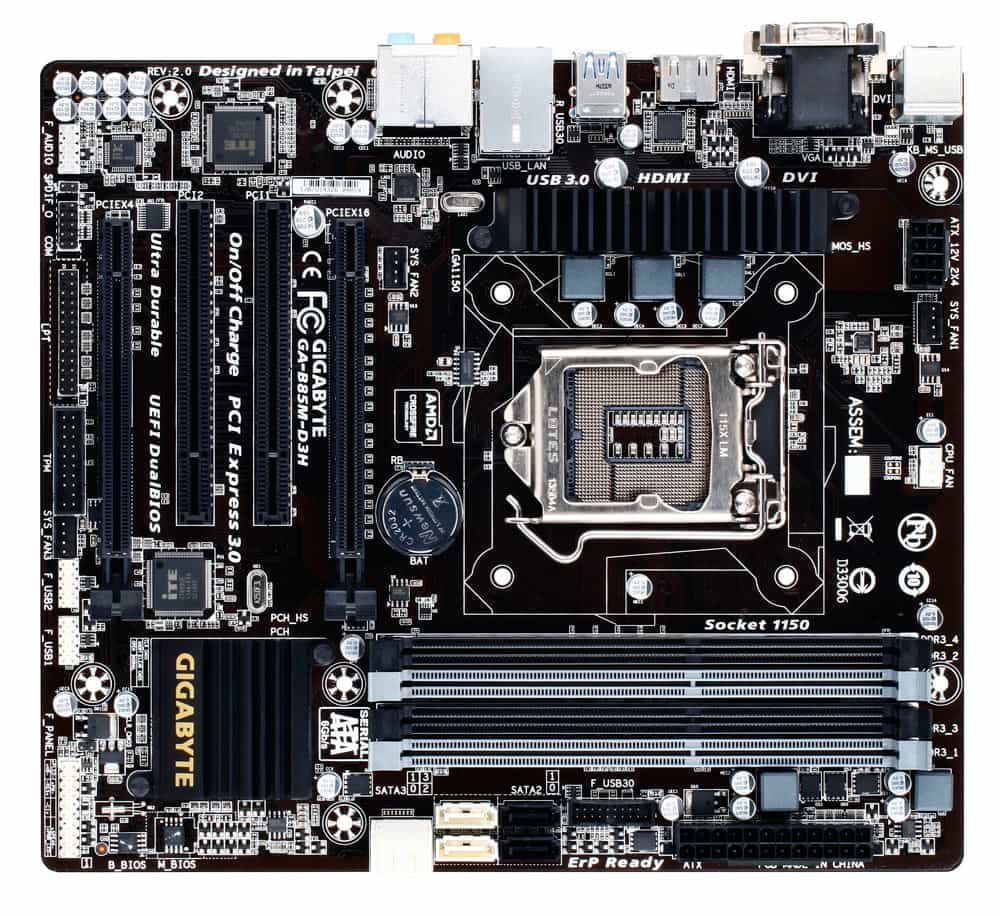
How about the retailer, what could it have done to avoid this issue? For one, they can ensure that what they sell is what they advertised and educated their customers. Surely a PC component retailer should be attentive to such details, and as a consumer I expect them to be. They should be better equip with the knowledge to inform their customers about the products they sell. After all, reliability and trust are the lifeblood of retailers, so they need to be on the ball.
In cases like this, the end user stands to lose the most. Case in point, should our Singaporean friend decide to RMA his motherboard, he’ll soon discover that Rev 1.0 is no longer in stock anywhere and that what he’ll get in return is a cut cost Rev 2.0. Granted, the real world performance is probably not affected much if at all, but I think it’s the principal that matters here. Also, it’s highly likely that the price is the same even though less parts were used. A layman won’t know these intricacies and there’s no telling how many have been affected before this, none the wiser.
Of course, as consumers we do need to keep ourselves informed. What we are getting into or buying needs to be clear, and if we are unfamiliar with a certain type of product then we need to find out from people who are. Otherwise we’ll find that we can get scammed out of our hard-earned salary, and in this day of online shopping this problem is even more of a danger.
The core of the problem is that despite revision changes, Gigabyte doesn’t change the EAN (European Article Number). According to sources, that’s supposed to be illegal. So to proof that it isn’t doing this to profit from unsuspecting consumers, Gigabyte needs to start keeping separate EANs for revisions of its products. In fact, that’s the standard practice for other PC component manufacturers. Changing the product’s box should also help, especially for retailers and end-users, allowing them to easily identify new versions.
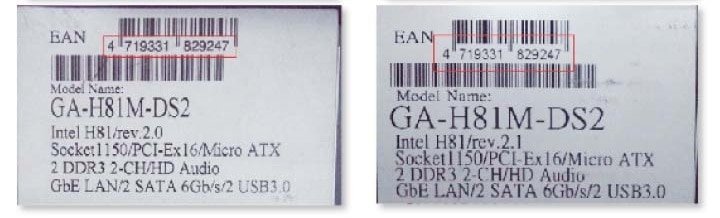
Gigabyte’s revision policy is explained at: http://www.gigabyte.com/support-downloads/faq-page.aspx?fid=864, and can also be found on the stickers Gigabyte places on its products’ boxes.
I guess what we want to tell those of you out there, who are looking to buy something this year is: Pay attention to these details, because you don’t know if you’re getting what you paid for.