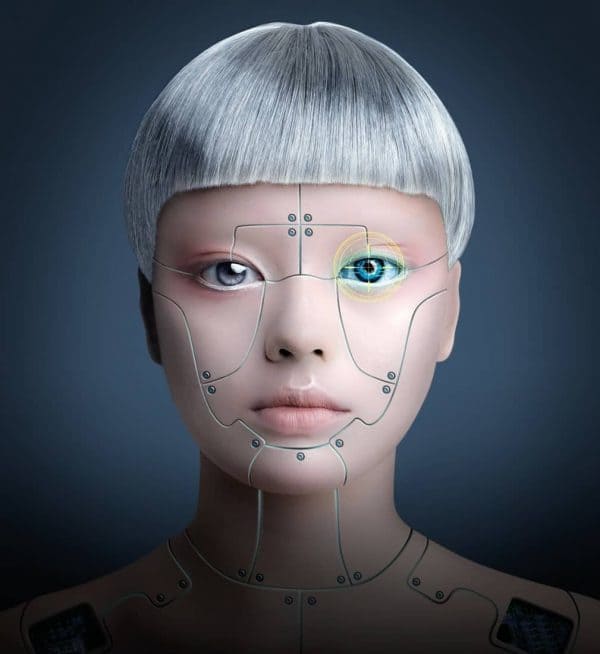
Ever since mankind experienced electricity, the fascination with the mysterious energy that can light a bulb spawned many science fiction stories. Mary Shelly in 1818 wrote a book about how a scientist attaches various parts of deceased human parts and brings him to live using energy from lightning in Frankenstein.
Our interest in man-machine attracted movie makers to make blockbusters with Terminator being the post popular till today, where a cyborg from the future returns to conduct an assassination. Far fetched a decade ago, but with reports of nanotechnology, genetic engineering, biotechnology and artificial intelligence, could we be sharing the streets with a humanoid in a few years time?
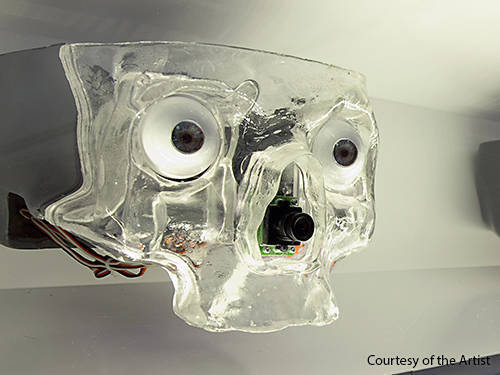
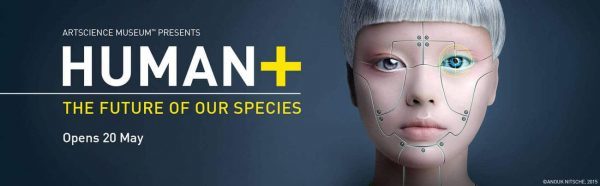
A preview of such a future is now taking place in Marina Sands Singapore at the ArtScience Museum’s latest exhibition HUMAN+: The Future of Our Species, opening on 20 May. Raising poignant thoughts on Cyborgs, superhumans and clones and are they alive amongst us today? What does it mean to be human now? What will it feel like to be a human a hundred years from now? Should we continue to embrace modifications to our minds, bodies and daily lives, or are there boundaries we shouldn’t overstep? These are the issues at the heart of the exhibition, showcasing the work of 40 international artists, scientists, technologists and designers, the show explores possible future paths for our species. I
Some of the major names from the fields of robotics, biotechnology, synthetic biology and artificial intelligence, including the world’s first living cyborg, Neil Harbisson; Australia’s leading performance artist, Stelarc; and Oron Catts and Ionat Zurr, who grow sculptures from living tissue are on display.

Spanning four themed galleries, HUMAN+ presents a wide range of artwork and scientific research that shows how our perception of humanity is being transformed by science and technology. Augmented Abilities The first section of the show presents physical and biological ways in which we have augmented our minds and bodies. From prosthetics that augment bodily functions to medical interventions that change how we think, this part of the show explores what it means to be a cyborg today. A key highlight is work by Neil Harbisson, the world’s first human to be officially recognised as a cyborg. Born without the ability to see colour, Harbisson, who will be in Singapore for the opening of the show, wears a prosthetic antenna called “eyeborg” that allows him to hear colour.