All eyes on Australia. Can their most wind power dependant states keep the lights on by installing grid-scale batteries by December? If this is a success, it could mean growth and adoption of renewable energy across Australia and Asia.
Reuters reports that, if batteries help solve Australia’s problems by storing surplus electricity generated by wind and solar power, countries like Indonesia, the Philippines and Chile, could follow suit.
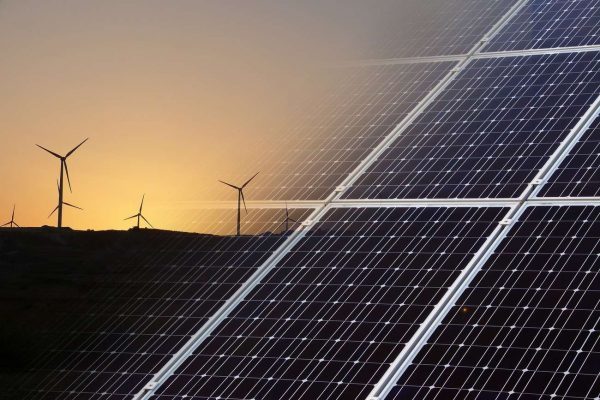
As Australia adopts into renewable energy, some states have been facing issues of blackout due to a lack of backup power – the existing ones are in the form of coal-fired power plants and even those are facing closure as renewable energy gains traction. The country needs a more flexible back up source and battery storage are the solution. It can be switched on and off easily, responding faster than a gas peaking plant.
According to Reuters, the state government plans to spend A$150 million ($115 million) supporting the installation of 100 megawatt hours of battery capacity this year, which would be the world’s second-largest battery system behind one installed by AES for California’s San Diego Gas & Electric in February.
AES says lessons learned in South Australia could be applied in Victoria, which is facing the loss some coal-fired power, and elsewhere, like Chile, where solar power is growing rapidly and will need to be combined with energy storage to avoid outages.
Stiff competition for the two state battery projects, with all the big makers like South Korea’s Samsung SDI and LG Chem, Elon Musk’s Tesla Inc and U.S. firm Greensmith Energy in the running, will help drive down prices for energy storage, another factor that should speed the spread of batteries along with wind and utility-scale solar.
For battery providers, the money making opportunity will come not only from energy storage but crucial extra services to manage voltage and frequency on grids, several energy storage executives said.
This report is sourced through Reuters and shorten to make relevant to our audience.