Mark Zuckerberg, Facebook Chairman and CEO, finally puts out an official statement about Cambridge Analytica; in summary: Facebook has a responsibility to protect user data.
For the better part of this week, there have been various reports on a massive ‘data breach’ for Facebook. This site didn’t put much beyond one of the aftermaths due to the multiple misinformation that’s going on around.
While there are reports that Zuckerberg and Facebook COO, Sandy Sandberg, keeping mum, there is a real reason for this.
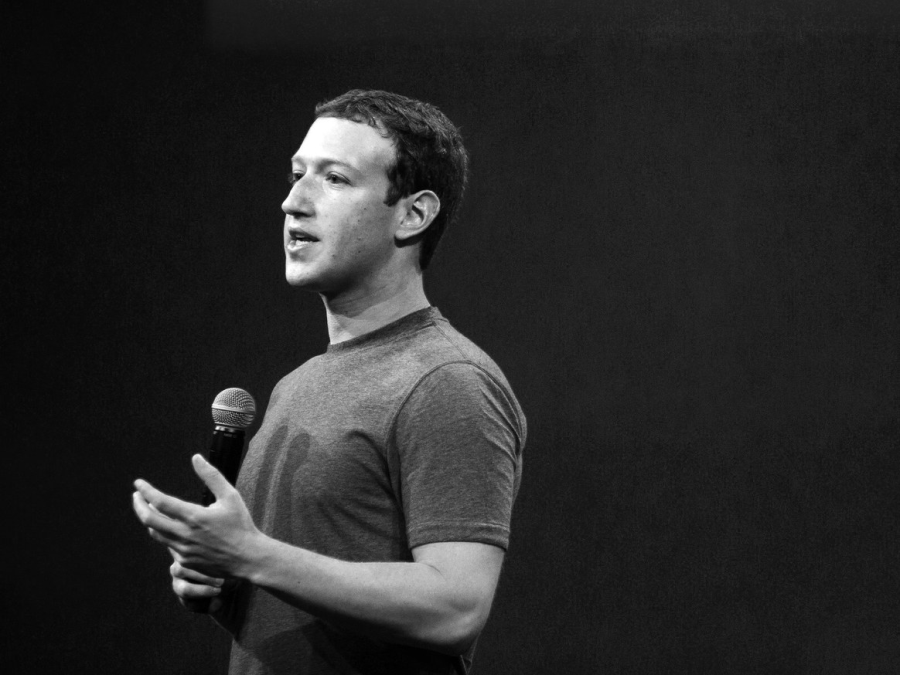
Taken verbatim from Zuckerberg’s post:
I’ve been working to understand exactly what happened and how to make sure this doesn’t happen again.
(From this episode,) the good news is that important actions to prevent this from happening again (are already in place); (this is all done) years ago. But we also made mistakes, there’s more to do, and we need to step up and do it.
Against all odds, Zuckerberg admit to the mistakes that occurred and allowed this major issue take place. He then continues to apologise and share about the immediate steps Facebook is taking to deal with this problem.
He even gave Wired an exclusive interview where he confirms a couple of points, such as:
When we heard from journalists at The Guardian that Aleksandr Kogan seemed to have shared data with Cambridge Analytica and a few other parties, the immediate actions that we took were to ban Kogan’s app and to demand a legal certification from Kogan and all the other folks who he shared it with.
We got those certifications, and Cambridge Analytica had actually told us that they actually hadn’t received raw Facebook data at all. It was some kind of derivative data, but they had deleted it and weren’t [making] any use of it.
In retrospect, though, I think that what you’re pointing out here is one of the biggest mistakes that we made.
Due to this one mis-step, everything else piled on. To make sure that such issues never occur again, Zuckerberg confirms the following:
- Review our platform. We will investigate all apps that had access to large amounts of information before we changed our platform in 2014 to reduce data access, and we will conduct a full audit of any app with suspicious activity. If we find developers that misused personally identifiable information, we will ban them from our platform.
- Tell people about data misuse. We will tell people affected by apps that have misused their data. This includes building a way for people to know if their data might have been accessed via “thisisyourdigitallife.” Moving forward, if we remove an app for misusing data, we will tell everyone who used it.
- Turn off access for unused apps. If someone hasn’t used an app within the last three months, we will turn off the app’s access to their information.
- Restrict Facebook Login data. We are changing Login, so that in the next version, we will reduce the data that an app can request without app review to include only name, profile photo and email address. Requesting any other data will require our approval.
- Encourage people to manage the apps they use. We already show people what apps their accounts are connected to and control what data they’ve permitted those apps to use. Going forward, we’re going to make these choices more prominent and easier to manage.
- Reward people who find vulnerabilities. In the coming weeks we will expand Facebook’s bug bounty program so that people can also report to us if they find misuses of data by app developers.
“Even with these changes, we’ve seen abuse of our platform and the misuse of people’s data. We know what we need to do more,” notes a Facebook press statement that came out after Zuckerberg’s personal note.
As for Zuckerberg, this has been a huge learning experience for his entire team.
“Beyond the steps we had already taken in 2014, I believe these are the next steps we must take. I started Facebook, and at the end of the day I’m responsible for what happens on our platform. I’m serious about doing what it takes to protect our community. While this specific issue involving Cambridge Analytica should no longer happen with new apps today, that doesn’t change what happened in the past. We will learn from this experience to secure our platform further and make our community safer for everyone going forward,” he adds.