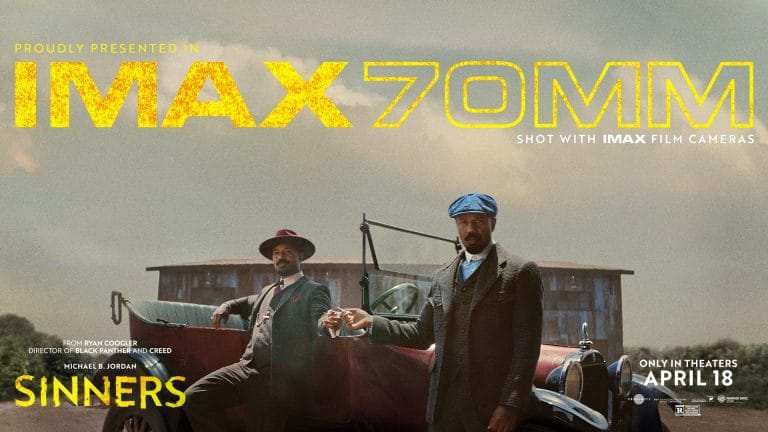
When Ryan Coogler announced his latest project, Sinners, many expected another high-energy horror vampire blockbuster, especially with Michael B. Jordan front and centre. Halfway through the movie, the author even thought this was another glorified Black Panther-style crowd-pleaser, fuelled by the crazed hype it generated upon its release. An Oscar bait, one might say.
But now, in 2026, after the awards, the discourse and the dust settling, Sinners has proven itself to be far more than that: a bold, original and haunting blend of Southern Gothic horror, folklore, historical drama and music-driven storytelling.
And with Michael B. Jordan now officially an Oscar winner for his dual performance, the film no longer needs defending. It has already cemented itself as the best movie of 2025.
Credits to Warner Bros
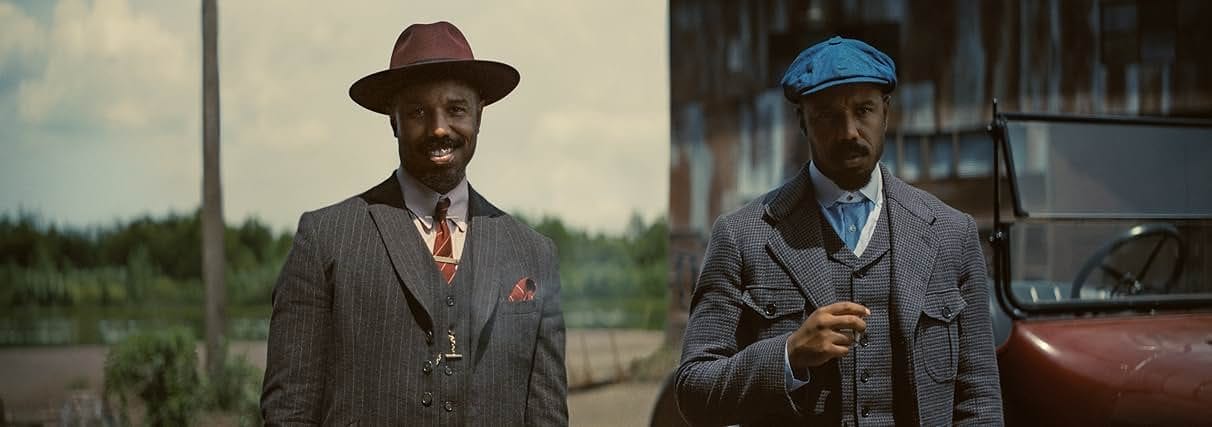
Set in 1932 Mississippi, Sinners follows twin brothers Elijah “Smoke” and Elias “Stack” (both played by Michael B. Jordan), World War I veterans determined to start fresh by opening a juke joint. Their dream, however, is interrupted by the arrival of Remmick, a mysterious Irish musician with a dark and supernatural secret.
But the heart of the story lies in Sammie (played by debutant Miles Caton), a talented young musician whose music becomes the catalyst for the events that unfold. As Sammie’s gift draws the attention of dark forces, the small community faces not only human prejudice but also an ancient evil lurking just beneath the surface.
The first half of Sinners feels like a slow, detailed period piece. Coogler focuses closely on the lives of the Black community in 1930s Mississippi, highlighting their struggles, dreams and everyday realities under the oppressive weight of Jim Crow laws. The pacing is rich, immersive and unhurried; a deliberate choice that some audiences might find slow, but others will appreciate for how deeply it draws viewers into the world. The arrival of a mysterious Irish musician, however, introduces a dark, unsettling presence that disrupts the fragile peace the community has worked so hard to maintain.
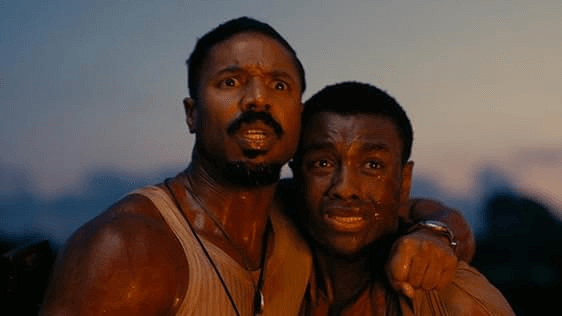
About halfway through, Sinners takes a sharp turn into horror territory. There are jump scares sprinkled throughout, but they’re used thoughtfully, heightening the tension without ever feeling cheap. The horror is more about an unsettling dread than outright terror, staying true to the Southern Gothic atmosphere.
And this is precisely why the film has aged so well over the past year. What initially seemed like a “good genre film” now feels, in hindsight, like one of the rarest things modern cinema can offer: a fully realised original vision. Not an adaptation, not nostalgia, not franchise homework. Just a filmmaker swinging big and actually landing it.
Ryan Coogler’s use of aspect ratio is another standout element. The film shifts seamlessly in visual style, heightening key emotional and suspenseful moments through subtle changes in framing and scale, creating a unique and immersive cinematic experience. On a technical level, Sinners simply feels authored. Nothing in it looks accidental.
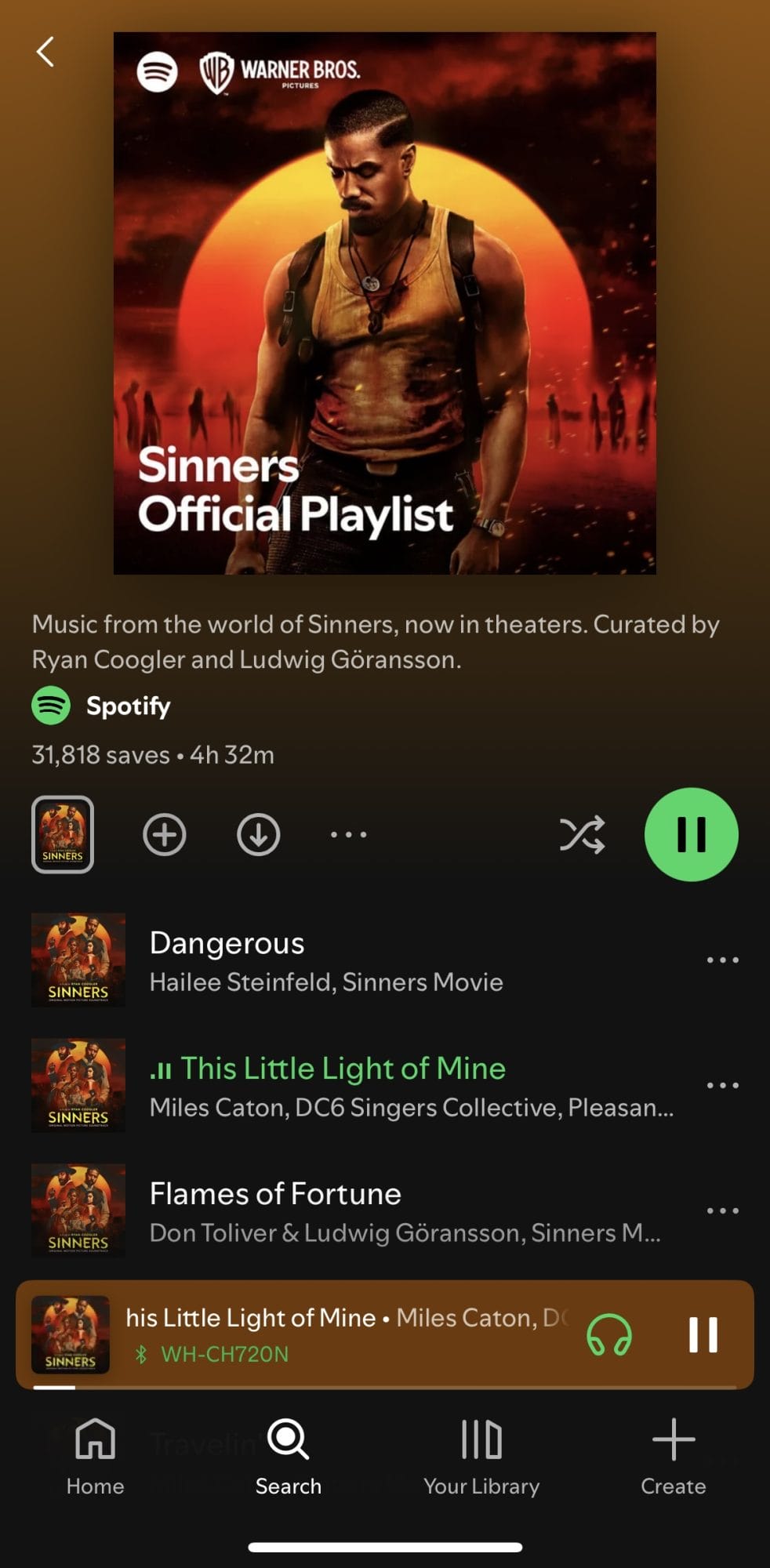
Music plays a huge role in the film’s emotional core. Ludwig Göransson’s soundtrack is a masterclass in blending atmosphere with tension, using background music and ambient sound to pull the viewer into the film’s deep emotional currents. Two standout scenes in particular (those who know, know) had the author and much of the theatre, nodding along without realising it.
The soundtrack isn’t just a backdrop; it’s part of the film’s heartbeat. It even continues afterward, many, including the author, found themselves queuing up the Spotify playlist while walking out of the cinema to the nearest LRT station.
One of Sinners’ strongest aspects is its commitment to “show, don’t tell.” The origins of the evil entity are never fully explained and that restraint is one of the film’s smartest moves. By leaving things open to interpretation, Coogler encourages viewers to discuss and debate the film’s symbolism, touching on race, faith, white supremacy, cultural identity and historical trauma. It’s the kind of movie that lingers in conversations long after the credits roll.
And perhaps that is what separates Sinners from the rest of 2025’s biggest films. The best films do not just entertain in the moment; they stay alive after the screening. They invite revisits. They grow in meaning. They become the kind of work people keep referencing months later, not because they are trendy, but because they are textured.
Some audiences may find the slow buildup and the unanswered questions frustrating, but for others, it’s a refreshing change. Sinners trusts the viewer to engage with its story rather than handing everything over neatly.
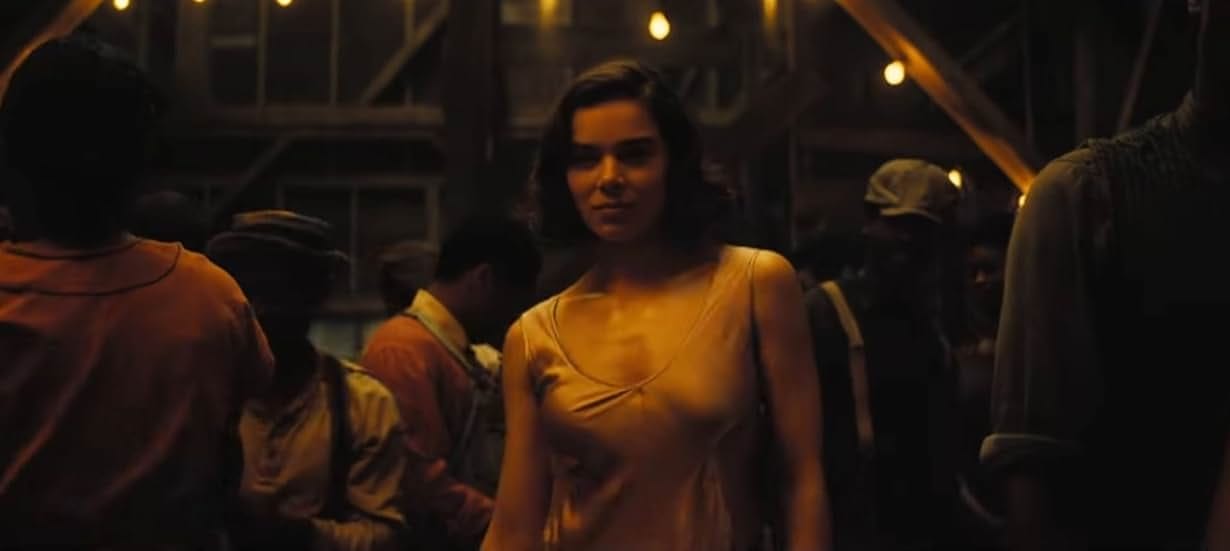
The film also offers a subtle, much-needed portrayal of healthier masculinity. Men in Sinners show respect, care and genuine emotional depth toward women, without needing to perform aggressive or exaggerated versions of “being a man.” It’s a quiet but powerful statement and one that feels increasingly rare in mainstream cinema.
Newcomer Miles Caton, playing Sammie, delivers a standout performance. His energy and sincerity breathe life into the film and it’s easy to see why he became one of the film’s biggest breakout discoveries. He is the emotional pulse of the movie and without him, Sinners simply would not hit the same.
Finally, audiences should be aware that Sinners features two credits scenes. The first acts as an emotional epilogue, while the second is shorter and more haunting in nature. It is very much worth staying seated until the very end.
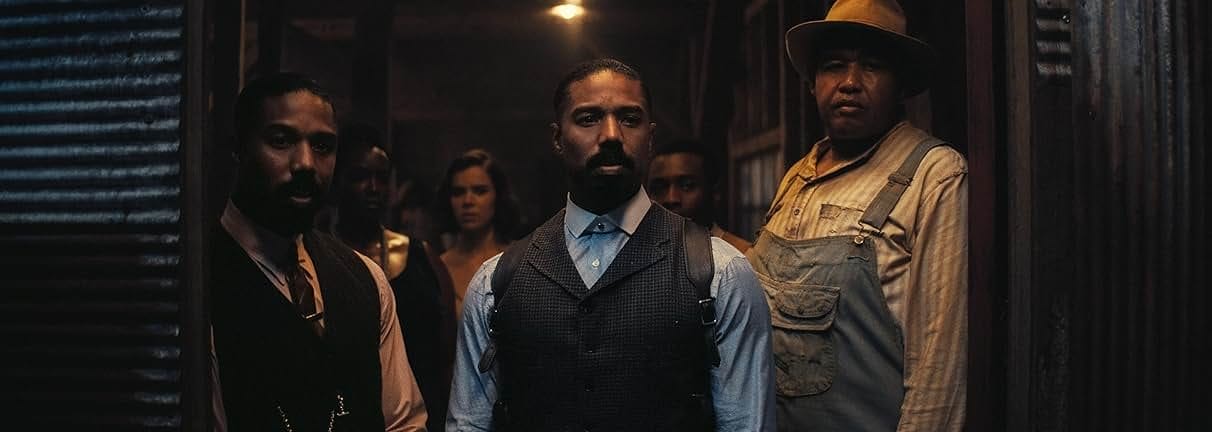
In a world full of predictable, safe movies, Sinners stands out. It is an original story written and directed by Coogler and a reminder that bold, thoughtful filmmaking still exists if audiences are willing to support it.
In the author’s words, Sinners can be described as a folklore Southern Gothic horror, a historical drama, a musical and a monster movie all rolled into one. It should not work, but under Coogler’s masterful direction, it absolutely does.
And now that time has passed, that statement feels even more certain.
Because the truth is, Sinners did not just survive the hype, it outlived it.
It won the respect of critics, audiences and the industry alike. It gave Michael B. Jordan the performance of his career. It reminded people what an original blockbuster can look and feel like. And most importantly, it gave 2025 something it badly needed: a film with soul.
It’s not just a movie; it’s an experience. One that demands to be seen, heard and talked about.
The author experienced it on an IMAX screen, where it truly belongs.