In the past five years, global battery-only electric vehicle (EV) sales have increased 23-fold 1, with 37% of South East Asian consumers now considering Electric Cars for their next vehicle purchase. In a recent Nissan commissioned study by Frost & Sullivan, titled “Future of Electric Vehicles in Southeast
Asia,” revealed that one in three Southeast Asian consumers are open to buying an electric vehicle , however, there are doubts of owning one.
“Across the region, we consistently hear that people love the idea of electric cars or EVs but many may not fully understand how EVs fit into their lifestyles or the usage basics. As the world’s first automotive manufacturer to produce a mass-market 100-percent electric vehicle, with more than 70-years expertise in this form of automotive technology, we wanted to help promote awareness around this topic,” said Yutaka Sanada, Regional Senior Vice President for Nissan Asia & Oceania.
The most common questions surrounding EVs and myths are charging, range, driving and ownership.
1. Charging an EV
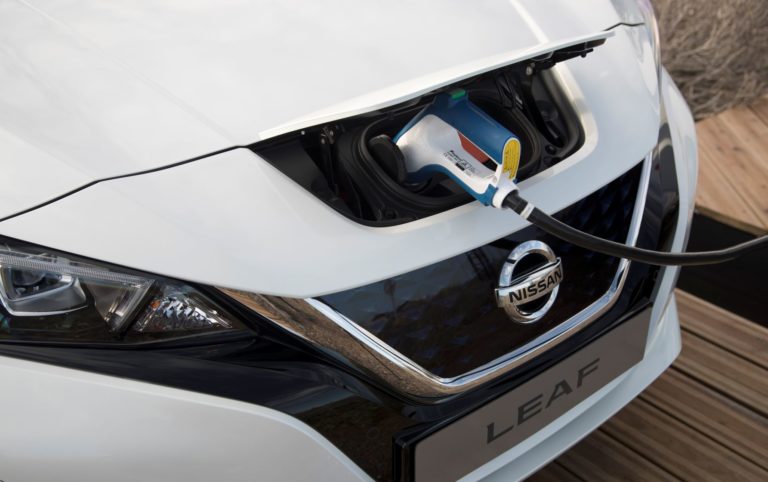
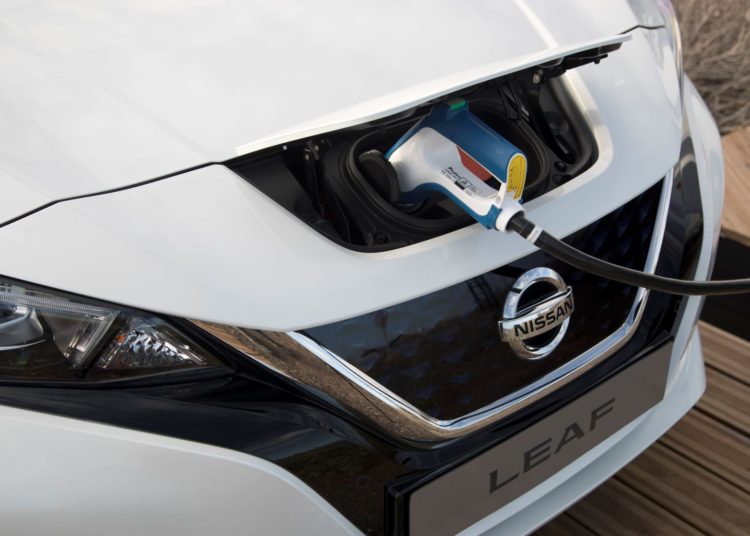
There are 3 main charging options for EVs; the Standard Outlet Charging that requires more than 13 hours charging time, Wall Box Charger that is faster than the standard socket charging, and the CHAdeMO Quick Chargers, however, most EV offer charging methods that are convenient for daily commute.
2. EV Range
Driving range is another concern for EV adopters as they fear of running out of power, but thanks to technological advancements, the median electric vehicle range has increased by 56%. Additionally, most drivers in Southeast Asia travel less than 80km a day, and this driving distance can be easily achieved by just a single charge in most EVs today
3. EV Driving Experience
Aside from driving range, there is a misconception performance gap between EVs and conventional vehicles, and also concerns that EVs cannot pick up speed adequately. So how does it feel to drive an EV? The new generation of electric vehicles are even more exhilarating, safe, clean and enjoyable to drive than conventional vehicles! A regular 2.0L vehicle provides an average maximum power and torque output of 150PS and 200Nm respectively.
4. Owning an EV
Battery-powered cars reduce spending on fuel and maintenance With fewer moving parts in an EV, owners can save on maintenance costs6 as well as fuel. Most drivers in Southeast Asia travel less than 80km a day, and by driving for instance the Nissan LEAF with a 40kWh battery, it costs Malaysians only RM 20.647 to fully charge it and the cost per kilometre is incredibly low at RM 0.07
Many consumers believe that EVs have limited interior space. However, EVs today offer a full-powered vehicle experience especially designed for modern drivers, and without a tailpipe engine, they have much larger space allowances as compared to regular vehicles. With just 435 litres of space in the trunk the space is equivalent of filling a conventional bathtub to the brim with luggage, and still having room to spare.
Thus, electric vehicles with zero-emissions and virtually silent operations, present a viable solution for owners to help do their part for an improved urban future.