There is much difference between IP67 and IP68 certification, the International Electrotechnical Commission measures degree of protection provided by enclosures or IP code, the higher being more secure against the elements. While the former is a rating given to certify a part is protected against liquid, solid objects like sand and dust, and tested underwater up to 1m for 30 minutes the latter is for parts protected completely from dust, and protected to a maximum of 1.5 meters for 30 minutes in water.
In relevance to the ratings, Samsung has now taken the height of protection for the new Galaxy S7 and S7 edge by having the device tested and rated with IP68, which technically means you can now go swimming and not just snorkeling with the phone. In order to achieve this the company took feedback from users seriously on matters like corrosive parts and cumbersome plastic caps to close ports and headphone jacks, and made major upgrades on the S7 series.
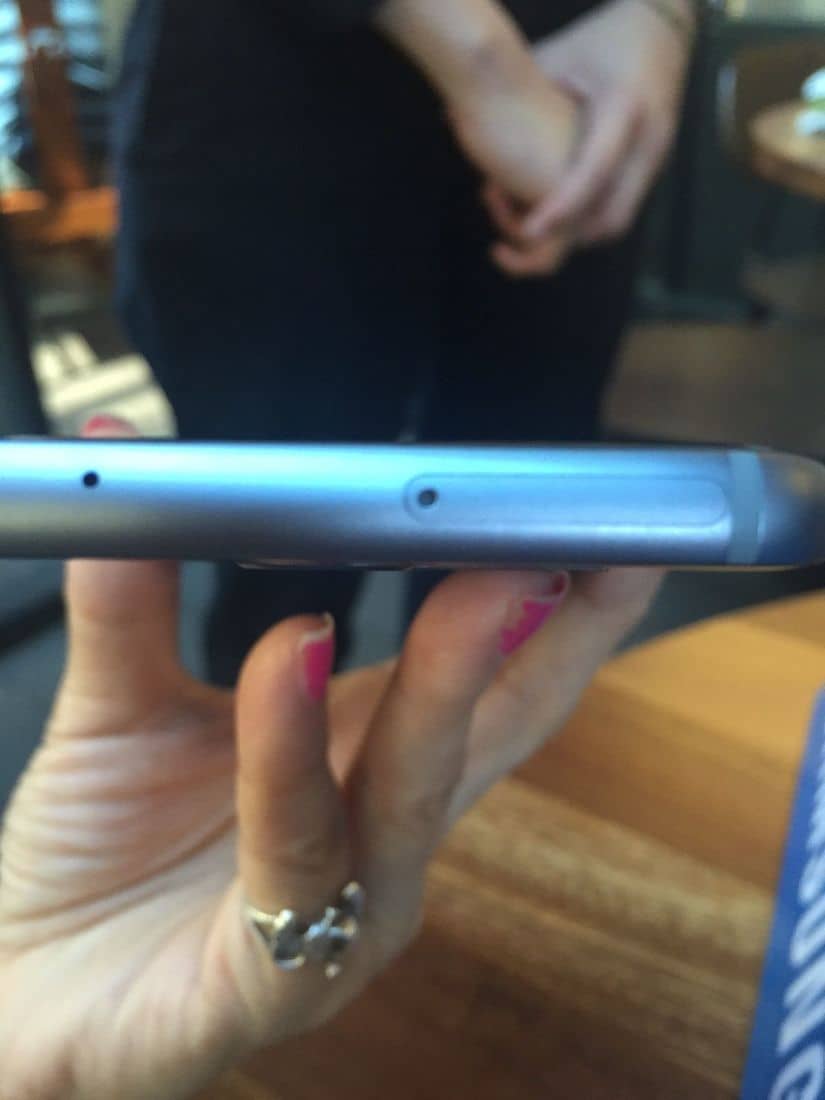
Here’s what Samsung did on the Galaxy S7 & S7 edge
To circumvent liquids seeping into gaps from the outside, Samsung changed the materials used on the external connections, like the headphone jack and UBS charging terminal, the phone maker also switched some parts using anti-corrosive materials like nickel and platinum.
To get a cap-less design, the new Galaxy models used a new type of water resistance technology it developed, that prevents gaps between the product and the case, eliminating the need for a protective cover. All these while keeping the phone slim.
The interior were also suppose to withstand the elements, for this rubber was used to attach individual parts, including the USB charging terminal, earphone jack, and SIM card tray, a painstaking task that requires enormous amount of detailing.
To prevent short circuit on the power cable when connected to the USB cable, a new mechanism was put in place to identify a dangerous situation and automatically cut off the power, to avoid a possible untoward incident.
An exclusive type of water protective tape is used to the front and rear glass and other parts of the devices, meanwhile anticorrosive materials and a corrosion-preventing coating is used for exposed parts on the exterior.
Microphones are tricky, as one needs to be able to receive sound clearly, for this it is protected with portable electronics vents, which allows for a good flow of air and the outflow of humidity to prevent moisture from entering the device.
What does this mean for the consumer?
If you were to own the new Galaxy after paying RM3089 for the S7 edge, than you will definitely be comforted to know that you’ve paid for a sophisticated piece of technology NASA would be proud of.
So you ask would you really need a phone that will continue to work after dropping it in a wadding pool? The answer is yes, records show the number of devices damaged due to water entry is staggering, in fact its the number one cause of damage for smartphones at more than 40%. Being in a tropical climate like our country and the love for water activity, is another reason for cause of concern, if you choose to use your prize possession while running to your car during a downpour this little feature would come in handy.
After all the smartphone has officially replaced the wallet as the item most people will not leave their home without, mostly non-replaceable and carried around at all time. It has evolved to become a camera, recorder, TV, camcorder, radio, music player, credit card, best friend, typewriter, game console, flashlight, voice recorder, computer, a telephone and much more. So is the risk worth taking? Surely not.
Now to look for trunks with phone pockets.