
Huawei and their P series of smartphones have dominated the “best camera” category for the past couple of years and it’s no surprise that when the P30 Pro came out, the main selling point was its Leica powered quad camera setup. The success of The P series has catapulted Huawei into the upper echelons of the smartphone market, to the point where it wouldn’t be crazy to compare Huawei to the likes of Samsung or even Apple. They’ve even priced their phones to reflect that. At RM3799, the P30 Pro is a premium device, and as such we expect a premium experience. Let’s get to it then, shall we?
Design and Aesthetics
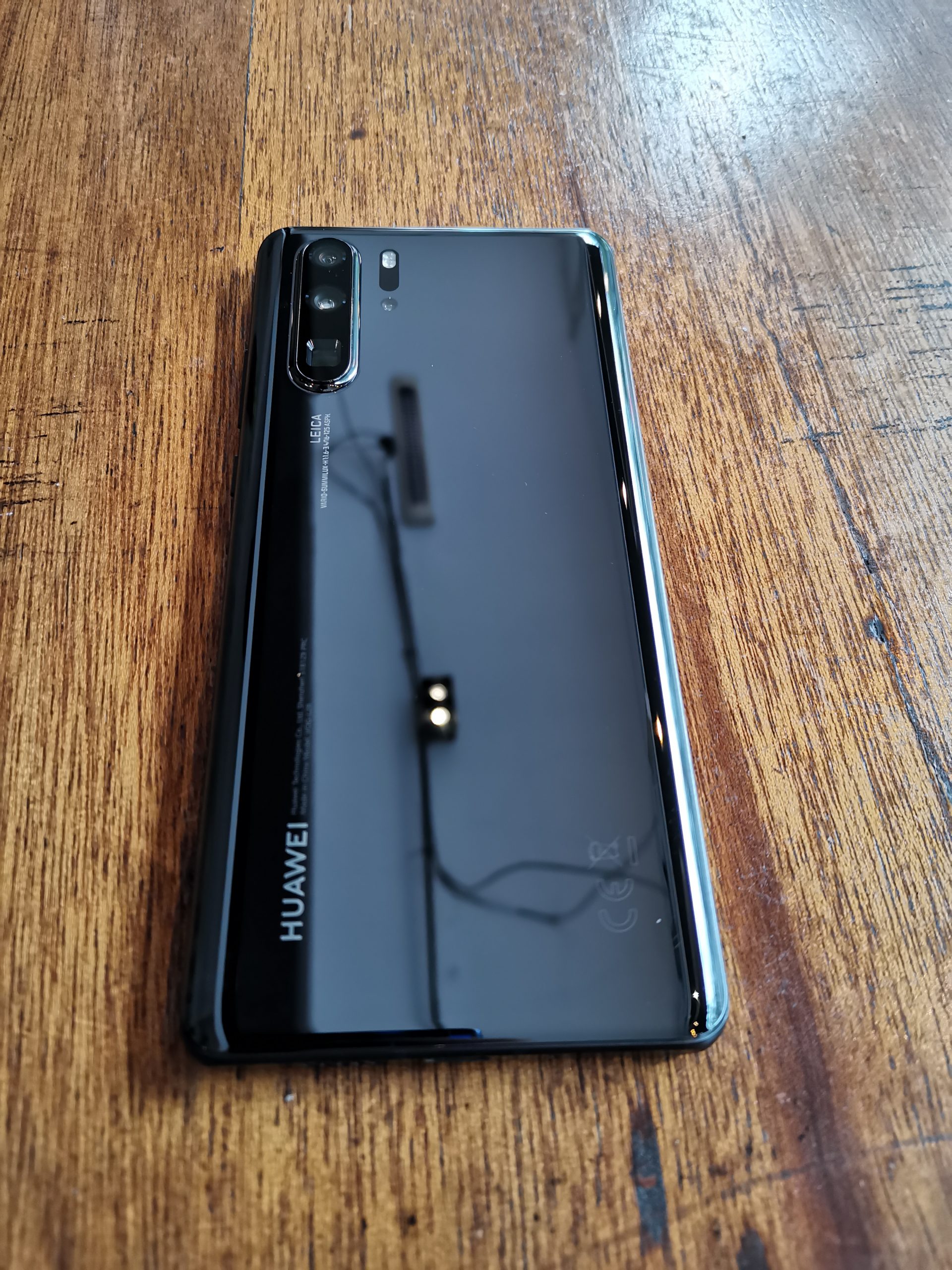


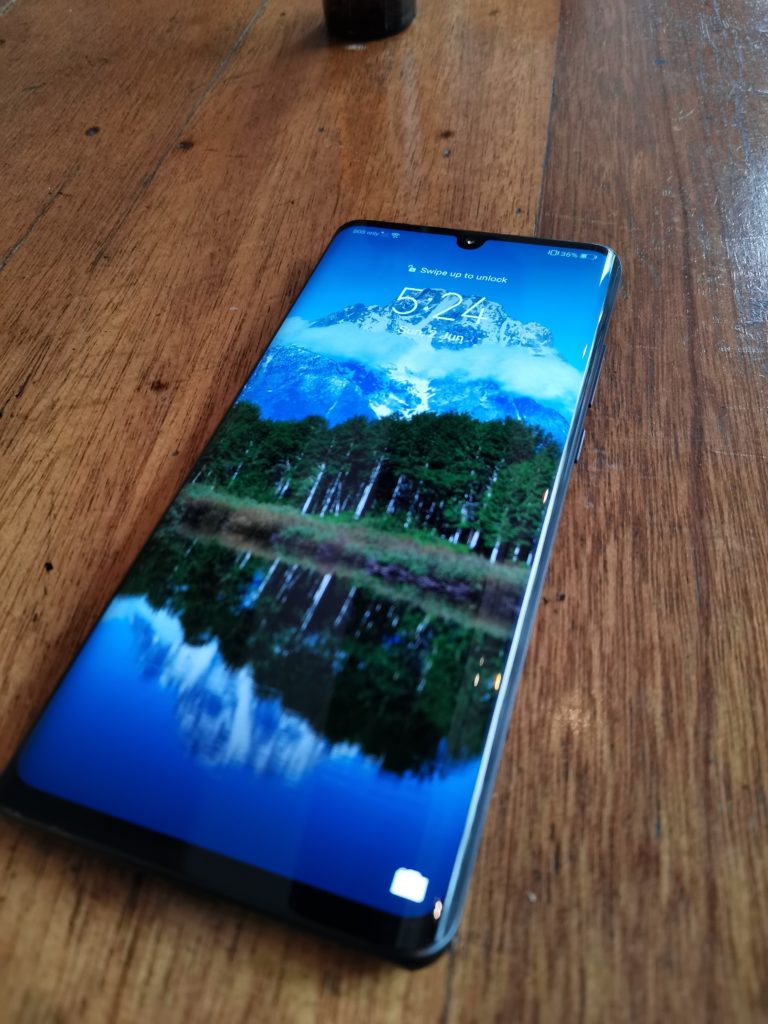
There is not much that Huawei did on the P30 Pro in terms of design compared to its predecessor. For the most part, there were a few improvements and polishes done here and there. Compared to the P20, the phone is a little taller and thinner, and also comes with a smaller notch on the front to accommodate the front facing camera. There were some similarities inherited from the Mate20 Pro as well, like the curved glass, tapered edges and under-display fingerprint sensor but that’s about it. The design of the phone is really nothing to shout about.
That doesn’t mean it’s not a thing of beauty though. It’s rather subtle but the device does have a premium feel to it when placed in your hands. It doesn’t feel cheap; its weight is just right and one thing I really like is that it comes in a variety of cool colours.
One thing I don’t like is that Huawei omitted the 3.5mm audio port in the P30 Pro, which is ridiculous really. This trend of jackless phones has to end!! The phone comes with a single speaker system and while sounds can get loud, they lack the bass to give them that oomph. I foresee audiophiles reaching for their favourite bluetooth headsets because of the lack of a headphone jack. To be fair though Huawei does throw in free USB-C Apple knock off earphones, which is nice.
The P30 Pro is now larger at 6.47-inches (even larger than the Mate 20 Pro) and uses an OLED display with a screen resolution of 2340 x 1080 pixels. I’m not really going to get too much into the specs of the screen, you can find that all online. What matters is how it looks and I have to say, it’s pretty, for lack of a better word, meh. You won’t be complaining about the display but you sure as hell won’t be singing its praises either.
It’s weird that Huawei would stick to FHD on a Pro model. The phone is RM3799! I get that most people can’t really tell the difference and that FHD resolutions save battery life but its 2019! This is a premium device. As more and more content out there start offering 2K or QHD resolutions, the P30 Pro definitely misses out.
A Dated Processor, But Premium Performance
Speaking of battery life, with a 4200mAh battery, the phone will easily be able to last you a full day of usage on 50% brightness. You can even clock in an hour or so of gaming and still expect to get home at the end of the day with some juice left, which is impressive. You’d think phones would be able to last a full day of usage in 2019 but that’s rarely the case (I’m looking at you, Apple). Kudos to Huawei for not cutting any corners in this regard.
The P30 Pro comes with the best hardware that Huawei has to offer. But that doesn’t necessarily mean it’s new. The company’s Kirin 980 processor came out in late 2018 so it’s a little dated. But just because it’s dated doesn’t mean it’s not good enough. The phone functions quite well and didn’t show any signs of lag when I used it.
As for the user interface, it comes with Android 9.0 right out of the box with EMUI 9.1 layered on top, as is standard in pretty much all Huawei phones. I’m not going to lie, I hate EMUI 9.1. Not only does it not look nice, but it also comes with a lot of bloatware which is ridiculous given how much you’ll be paying for this device. It’s worth mentioning that Huawei isn’t the only manufacturer that does this, but still. One thing I like though is the gesture controls. Pretty intuitive and very nifty, I must say.
Camera Is King on The P30 Pro


Everything I’ve just written about the phone is pretty much non defining. I mean most other flagships have the same if not better specs than the P30 Pro. The defining feature of this polarizinfg smartphone is its four cameras, each with its own special talent. The P30 Pro has a quadruple camera system which is composed of a 40-megapixel primary RYYB sensor with f/1.6 aperture, a secondary 20-megapixel sensor with f/2.2 ultra-wide angle, a 3rd 8-megapixel sensor with f/2.4 aperture and 5x optical zoom and a fourth depth-sensing ‘time-of-flight’ sensor.
The one you will use the most will be the 40–megapixel main sensor. Don’t be deceived by that large number as you will rarely set the camera app to that. In fact, the camera’s default mode is 10 megapixel. Huawei’s “SuperSpectrum” sensor, where Instead of the usual RGB sensor, it uses RYYB, replacing green with two yellows works like a charm and works especially well in low light situations. The night mode on this phone is insane. I took a picture in a dark room with the only source of light coming from the door being slightly ajar and the photo turned out extremely well lit. I am rarely rendered speechless by technology but this came close.

Next up, there’s the 8–megapixel telephoto lens. Again, don’t be swayed or disappointed by the number. This is the much-rumored camera with a 5x optical zoom unheard of in smartphone cameras. That’s thanks to the periscope design of the lenses that let Huawei cram more in less space. Because it uses optical zooming, it doesn’t degrade the quality of the resulting image.
The third camera, a 20–megapixel ultra-wide-angle lets you do more than just take panoramic shots without needing to go into panorama mode, all three of those cameras work to deliver a 10x hybrid zoom that as of now, is only possible on this device and the OPPO Reno 10x Zoom model. Naturally, it won’t be as crisp as an optical zoom but it is still by far your best option out there, along with the OPPO Reno 10x zoom of course.

The 3D time-of-flight sensor is the fourth, tiny camera right below the flash on the P30 Pro’s back. Often linked with augmented reality applications, Huawei also uses the ToF sensor to improve its portrait mode, a.k.a. bokeh simulation, beyond what even dual cameras with depth sensors can do.
Needless to say, the Huawei P30 Pro’s camera setup is second to none. Picture quality is outstanding and they’ve even improved on their much–maligned video capabilities as well.
Verdict
The P30 Pro is the best Huawei has to offer, but is it the best Android phone on the market? No. But it does come close. It most definitely houses the best camera setup on any smartphone in the market right now and for most people, that will be enough. At RM3799 however, it’s going to burn a hole in your pocket and scald your thighs so I can’t in good faith recommend buying the device.