Almost like clockwork, it’s 2018 and we have the latest mid-tier flagship from Samsung in our hands once again in the form of the Samsung Galaxy A8 (2018). It feels like it was only last year when the Galaxy A7 (2017) was in our testing labs (it was actually last year). Of course, there were plenty of visual as well as hardware upgrades to the latest edition, while still remaining Samsung’s mid-tier flagship.
Keeping in Tune
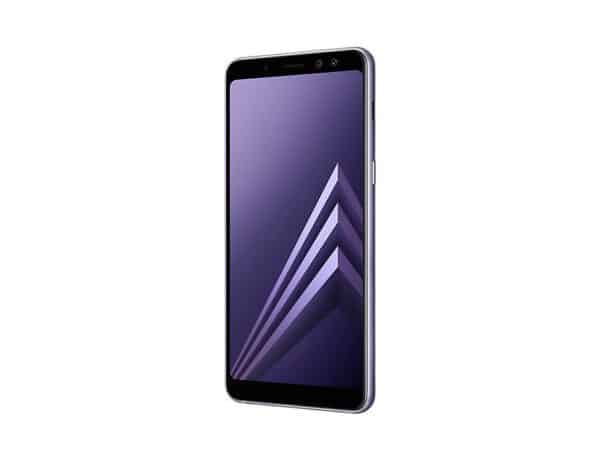
Much like its premium flagships, the Galaxy A8 (2018) follows suit in terms of its design, featuring its Infinity Display. Being a Samsung smartphone, it comes with a 5.6-inch Full HD+ Super AMOLED display screen as well. This gives the device vivid colour and rich detail while remaining bright, which isn’t blown out of proportion or exaggerated. Quite the contrary, using this phone as a daily driver was divine; whether it was simply scrolling through social media or streaming videos on YouTube and Netflix, the display was great in ensuring colours remain true to life.
Carrying a much smaller forehead and chin compared to its predecessors, the Galaxy A8 (2018) is the latest in a long list of smartphones that are adopting this trend of giving a larger screen in a compact body. Samsung is one brand in particular that does this exceptionally well, if the Galaxy Note8 is any indication. The Galaxy A8 (2018) features the same smooth, curved sides with a glass back, it does give the device a premium look and feel. However, this would be a downgrade to the Galaxy S8 and even the Galaxy Note8 as it isn’t on the same playing field as the two.
In your hands, the Galaxy A8 (2018) is a good fit with very thin bezels, although not as thin as I would have liked it to be. Nonetheless, it’s great for movies and such with its 18.5:9 aspect ratio, which falls into the same category as the other hard hitters from the Korean brand.
A saving grace to the smartphone is the change of placement for the fingerprint scanner, which now sits directly below the camera instead of next to it (praise the Lord!) This will surely keep anyone who has mild OCD tendencies from jumping at Samsung’s throats (present company included). Of course, it is still much too close to the camera, practically hugging it, which means you will more than likely swipe your finger over the lens more than once before actually getting the actually positioning of the scanner correct.
Other features of the Galaxy A8 (2018) includes the usage of the headphone jack, which is directly next to the USB-C charging port at the base of the device. A disappointing note to its design is its speaker placement, which sits on the right side of the phone, above the power/lock button. While a front-firing speaker is definitely much better, that isn’t to say the speaker on the Galaxy A8 (2018) has its faults.
Three’s a Crowd
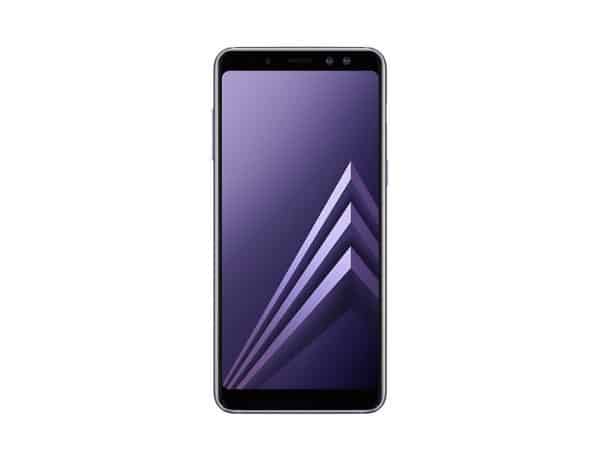
Another big trend of 2017 was the introduction of dual cameras at the back of the smartphones. Plenty of brands did that and the Galaxy Note8 is no stranger to that. What makes the Galaxy A8 (2018) stand out is its front-facing camera, which utilises a dual shooter setup rather than at the rear. This leaves a single sensor at the rear, which is a 16-megapixel f/1.7. The front two combines a 16-megapixel f/1.9 Live Focus sensor with an 8-megapixel f/1.9 wide selfie sensor.
As far as smartphone photography goes, Samsung has done no wrong in that department as each smartphone to come out has at the very least, an above average camera. While the Galaxy Note8 was lauded for its exceptional photo-taking abilities, the Galaxy A8 (2018) is a capable shooter with detailed results, even in low-light.
The rear shooter is a reliable partner, able to get the most out of your subject in a single shot. Auto mode is a beast on its own, capable of reading its surroundings and making the necessary adjustments to give your subject justice.
However, the more important feature to the Galaxy A8 (2018) is its front-facing camera, where both cameras work together to go give you that blurred background effect Samsung calls Live Focus. A feature first introduced in the Galaxy S8 and then the Galaxy Note8, it’s nice to point out that even Samsung’s more affordable models come with its latest innovations and features.
In good lighting conditions, the Live Focus of the Galaxy A8 (2018) works tremendously well. A neat touch to Live Focus is how Samsung makes the blurred background effect look natural, which is something plenty of other smartphones are still trying to accomplish.
As a Whole
In a nutshell, the Galaxy A8 (2018) is a decent enough daily driver. It houses an octa-core Exynos 7885 processor with 4GB of RAM to boot. For storage, you can choose between the 32GB or 64GB variant. There is also a microSD slot that can hold up to 256GB.
Running it for an entire day through social media, Spotify, YouTube, Netflix and the occasional map navigation like Google Maps and Waze, it did run the 3,000mAh battery down pretty quickly. It also tends to get bogged down when I multi-task between apps too much or too quickly, causing the device to freeze for a bit before getting back to normal.
Of course, that isn’t a regular occurrence and it only happened to me a handful of times during my couple of weeks of usage.
Cop or Drop?
At RM1,799, the Galaxy A8 (2018) is a much cheaper alternative compared to Samsung’s other higher priced devices. With that said, it isn’t an amazing device to have on you, especially on a daily basis, but it does a pretty good job in its own right.
Verdict: Samsung’s good, but sadly not great smartphone.