One of the more admirable work of science, constantly changing the lives of many people, is perhaps the making of prosthetic limbs for patients who were amputated or born with one or more limbs missing.
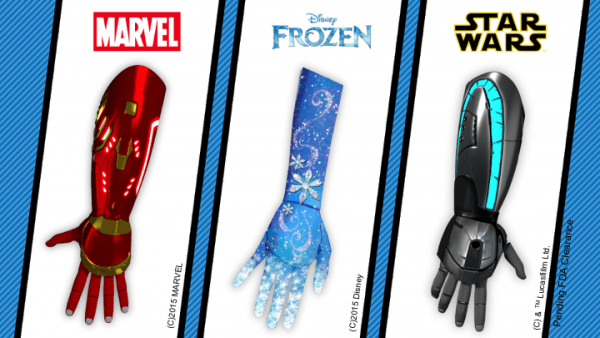
This month has seen a lot of innovations in prosthetic limb technology. For example, Open Bionics, a startup company working on cheap, 3D-printed hands for amputees, recently releases a set of prosthetic arm design of Disney characters for young amputees.

As part of the 2015 Disney Accelerator programme, the company offers a red Iron Man gauntlet, Queen Elsa’s sparkling blue glove and a Star Wars inspired hand. It costs around US$500, which is extremely cheap if you compare to other prosthetics. The company is doing very commendable work and many young people will live a happier, more fulfilling life because of it.
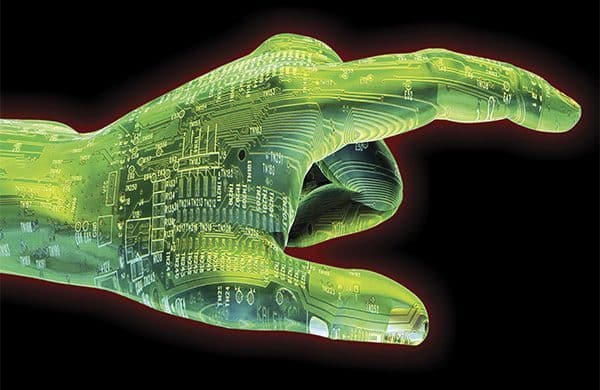
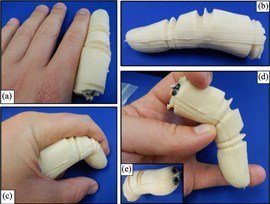
3D printing has brought a new horizon over scientific research. Iron Man arms with LED are not its limit. A team of researchers from the Florida Atlantic University have developed a new type of soft bionic finger using a 3D printer, that can move like the authentic ones.
Although the project may not be coming to bionic limbs anytime soon, we can already imagine what it can give to patients who were born without a limb. Prosthetics usually have immobile fingers and wrist. Bionic arms, well, looks bionic. A bionic arm that looks like a real hand and moves like it too will be a huge advancement.
It doesn’t just stop there. Stanford University research team may have made a bigger life-changing breakthrough by developing an artificial substitute for skin that can sense when it is being touched and send that data to the nervous system.
They hope to connect this futuristic prostheses to the nervous system of amputees. Beside being able to detect if they’re being touched, patients will also know how much pressure is being used. They will be able to experience for the first time what we have always taken for granted; the sense of touch.
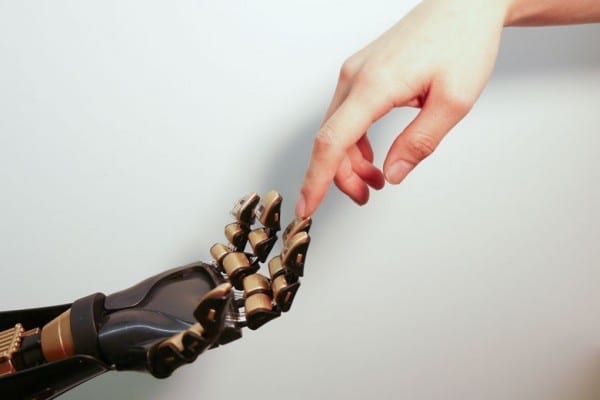
It will return most of the normal functioning of a real-life limb if scientists can successfully transmit the data to user’s brain. And it will open up the ways to develop other conditions that human skin can detect like temperature and friction. However, we are still years away from that possibility.
And there’s no way of telling how much it will cost. Ei Chi, a 26 years old Malaysian professional motion graphic designer, knows how expensive and inaccessible a prosthetic arm can be.

Borned without a left hand, she has lived a happy life by learning to overcome her disability. However, life with only one hand is a real disadvantage as she finds out when she injured her right wrist.
But now she has a chance to get a high-tech, affordable limb with the help of Give A Hand. It is a non-profit organisation based in New Zealand, which develops high-tech, affordable limbs from open-source designs and donates them to people in need. If you’re interested in helping her, find out more here.
The day when those like Ei Chi can use two hands to grab objects and feel what they are grabbing may still be far along. But we are proud that many are working tirelessly on making this dream a reality.