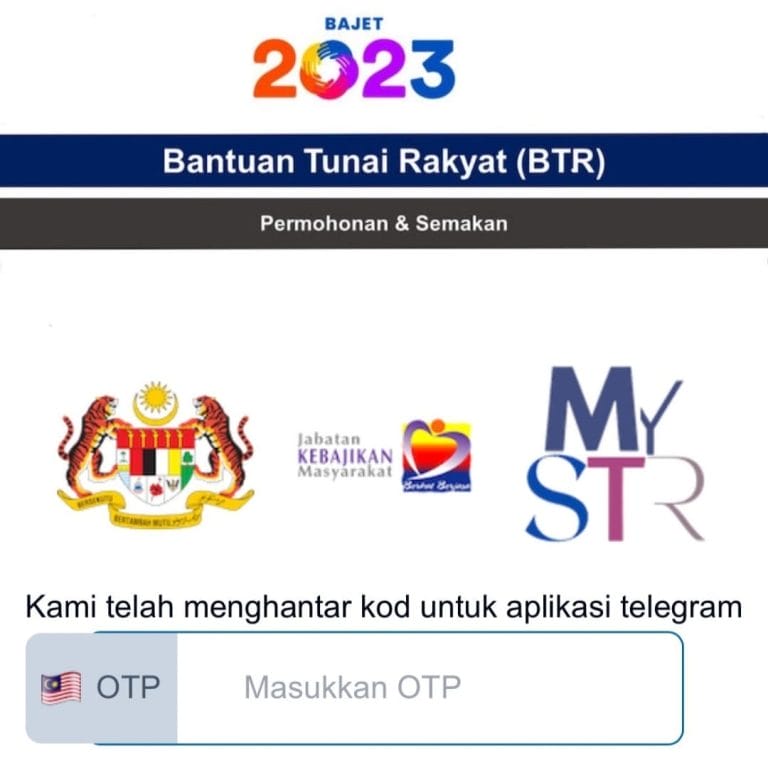
Recent postings on X by @Pelabur_Bijak indicate a disturbing trend where scammers are mimicking government websites, particularly those related to financial assistance programs. The deceptive ploy aims to trick unsuspecting individuals into divulging sensitive information.
Scammers are creating fake websites that closely resemble legitimate government portals, often claiming to facilitate the verification of eligibility for financial aid programs. These imitation sites ask users to input personal details, including identification information and banking credentials, under the guise of checking eligibility for cash assistance.
How to Spot the Scam:
While these deceptive websites may look authentic at first glance, there are key indicators to be aware of:
- Check the URL: Legitimate government websites typically have a consistent and official domain. Ensure that the website address is spelled correctly and matches the official government domain.
- Verify HTTPS: Legitimate sites use HTTPS to secure data transmissions. Ensure that the website has a secure connection, indicated by “https://” in the URL.
- Review Design and Content: Scam websites may have subtle design flaws or spelling errors. Official government sites usually maintain a professional appearance with accurate information.
Protecting Yourself:
- Use Official Channels: When in doubt, use official government channels to verify the authenticity of any communication or website.
- Be Skeptical of Unsolicited Messages: Government agencies typically do not initiate contact via unsolicited messages or emails. Be cautious if you receive unexpected communications.
- Report Suspicious Activity: If you encounter a suspicious website or communication, report it to the relevant authorities or your local cybercrime unit.
As scams evolve, it’s crucial for individuals to remain vigilant and informed. Stay alert to these deceptive practices, and remember that government agencies would never ask for sensitive information through unofficial channels. By staying informed and sharing this information, we can collectively protect ourselves and our community from falling victim to these scams.
Credit to @Pelabur_Bijak