Many youth hide their mental health struggles from their parents or guardians because of the stigmas and taboo and because of that they can’t get direct access to the help and treatment they need without their parents eventually finding out.
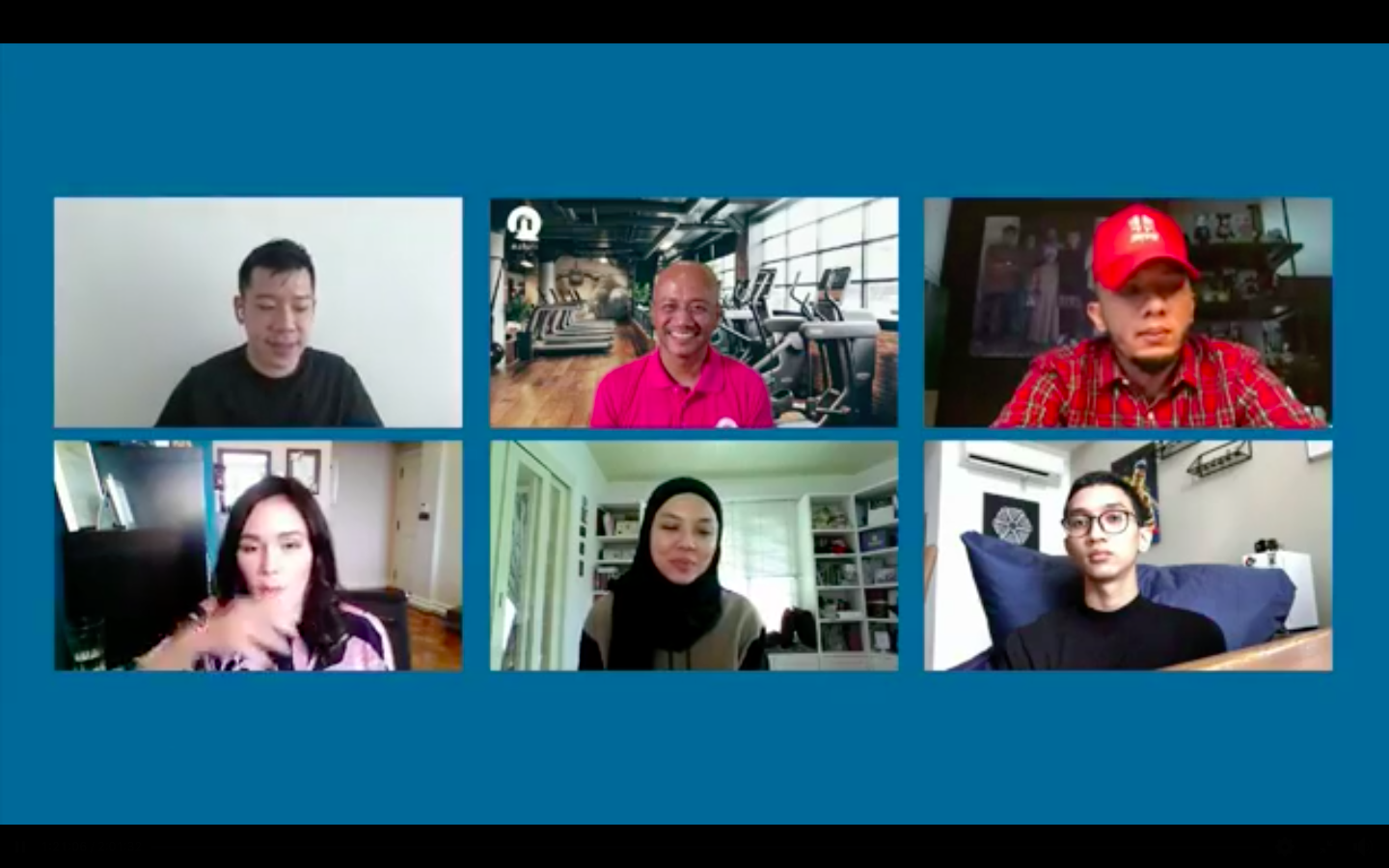
Speaking during the Instagram #Realtalk Campaign launch, musician Caprice as well as the other panelists shared their thoughts that the Ministry of Education should retrain school counsellors in dealing with students’ mental health struggles.
During the Facebook Live session, Caprice brought up our question on what should be done to help those under the age of 18 who cannot access the help they need due to these stigmas and taboos. Caprice first answered by saying that the Ministry of Education should retrain counsellors in schools.
He shared stories from students where the counsellors end up sharing their problems to everyone in school resulting them to move school because they felt exposed and ashamed. Caprice believes that counsellors should be able to provide the help the students need without compromising confidentiality.
Anita, President of Mental Illness Awareness and Support Association (MIASA) also shared her company’s experience when students or youth reach out to them for help. MIASA has received calls from youth asking for help and they always encourage them to talk to a trusted adult in the family who will listen, understand and do what they can to provide help.
Other than that, through the responses from youth, MIASA created a module to show parents that their children are struggling mentally. Parents need enough information to educate themselves on how to help their children dealing with mental illness.
All the panelists including Philip Chua, Head of Instagram Public Policy, APAC, Azran Osman-Rani, CEO and Co-founder of Naluri, Muhammad Hafiz ‘Slurpee Crank’ Hamzah, Video Content Creator, and Caprice, Hip Hop Artist and Entrepreneur agree that the Ministry of Education also need to play a more important role and take better initiatives in helping students gain access to professional help.
There needs to be a better standard operation procedure when dealing with students who are struggling with mental illness. There should be confidentiality between the counsellors and students so that their private information will not be shared with anyone without permission. There should be more awareness and education in school regarding the subject and make students feel safe and comfortable to talk about these things.
Caprice also stresses that it’s important for parents to be educated on the matter as well because they should be the first line of defence other than schools. Many youth are struggling mentally and silently which is never okay so they should be able to go to their parents for help without having the fear of being judge or their stories being dismissed.
I agree with everything they’ve said that there should be more talk and action regarding the subject of mental health especially providing help for those underage who cannot gain access as easily as adults. Schools should be able to help them. There should be more qualified counsellors who have background in psychology and well-trained so they will know how to help students overcome or manage their mental health struggles.
What do you guys think of the matter? Do you agree with the panelists? Other than what the panelists have shared during the Live, what else do you think can be done by the ministry, government or anything in general to help normalise and destigmatise the discussion of mental health? Share us your thoughts.