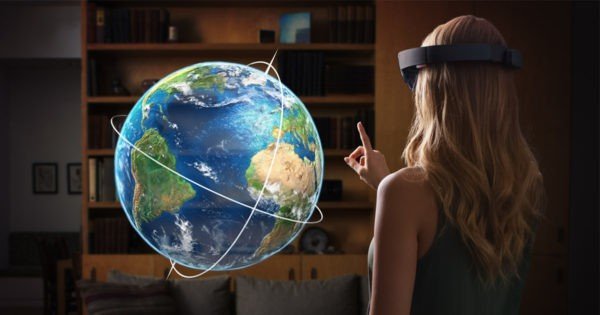
Not be left alone in a virtual world, Microsoft has decided to play the open source game by inviting vendors to partner in its quest to be a differentiator in the augmented reality field. At a keynote address at Computex Taiwan, Microsoft Corp. told its Windows 10 hardware partners to create virtual reality (VR) devices, augmented reality devices and everything in between with Windows Holographic, the platform that powers its own VR gear, HoloLens.
In opening up Windows Holographic to partners, the company shared its vision for mixed reality — a world where devices interact with each other to change the way people work, communicate, learn and play.
“With Windows 10, we’ve been on an incredible journey with our partners, and today we usher in the next frontier of computing — mixed reality,” said Terry Myerson, executive vice president, Windows and Devices.
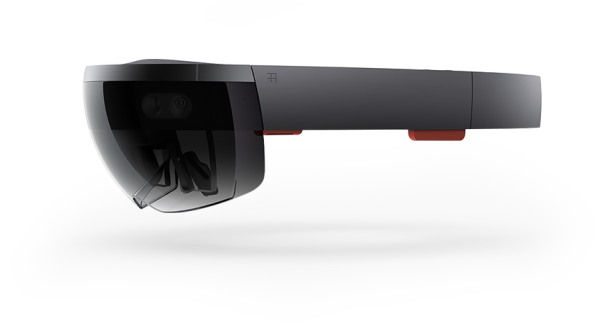
With over 80 million virtual reality devices expected on the market, per year, by 2020, the business opportunity for virtual reality is vast. There are many differing technology and hardware — ranging from virtual to augmented reality, creating different user interfaces, interaction models, input methods, peripherals and applications. While the current model offer immersive type of experience with their goggle like headgears, Microsoft Hololens which resembles more like Google Glass with a head band, works differently as it mixes real people, objects and environments into the virtual world. By wearing a VR device users will be able to see their physical hands manipulate an object, working on the scanned 3-D image of a real object, or bringing a real-life holographic representation of another person into own virtual world to collaborate. No other device is able to replicate this for now.
Windows Holographic offers a holographic shell and user interface, perception APIs, and Xbox Live services, enabling a familiar experience across apps and content. All Universal Windows apps can run on the Windows Holographic platform. Today there are nearly a thousand Universal Windows Apps that run on Windows Holographic.
Microsoft is working with Intel, AMD, Qualcomm, HTC, Acer, ASUS, Dell, Falcon Northwest, HP, Lenovo, MSI and others to build a hardware ecosystem to the virtual reality experiences on Windows 10.