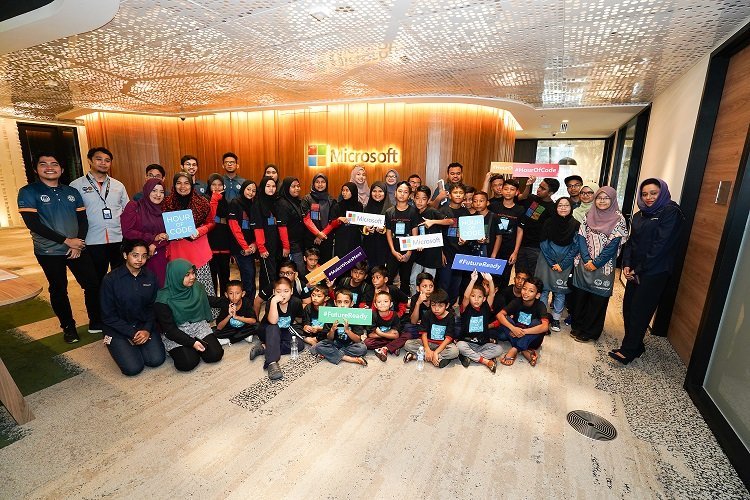
As part of its ongoing efforts to close the digital skills gap, Microsoft has kicked off Future Ready, an annual initiative run in partnership with nonprofits and schools to generate interest amongst students to learn computer science and empower teachers with skills to teach computer science. Launched in conjunction with Computer Science Education Week (December 3 to 9), over the next one year, Microsoft will empower close to 700,000 youth – particularly from underserved communities – with opportunities to pursue their passion in computer science and more than 26,000 educators to teach high-quality and inclusive computer science across Asia Pacific.
“Education is one of the most important factors contributing to personal and country-wide economic growth,” said Dr. Daiana Beitler, Philanthropies Director, Microsoft Asia. “As the people who are nurturing our next generation, educators are in the best position to ignite students’ interest in computer science. Through computational thinking, youth will not only gain technical knowledge but also develop creativity, critical thinking, and problem-solving skills – essential attributes for the jobs of tomorrow.”
Computer Science Education Week: Introducing Computer Science to all Youth in Asia Pacific
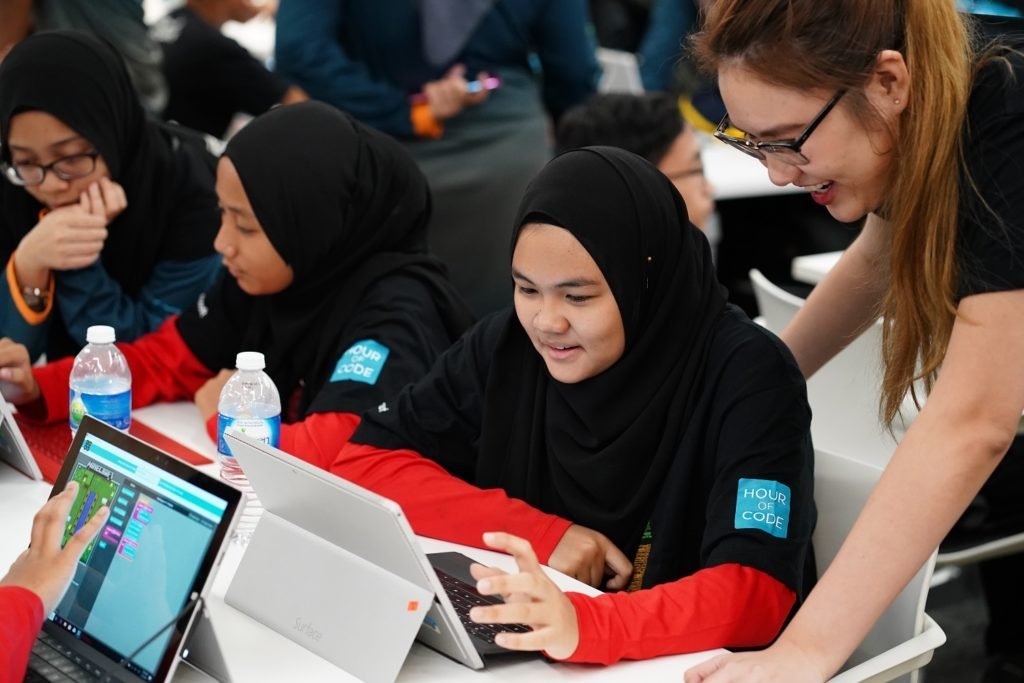
Riding on the back of the Computer Science Education Week, Future Ready aims to increase access to computer science by building the capacity of teachers and inviting all students to find out what they can achieve in an ‘hour of code’, and more. During this week, Microsoft will drive workshops for 2,000 educators to teach them how to facilitate engaging and inclusive computer science classes and introduce the fundamentals of computer science to more than 200,000 youth.
Piquing the Interest of Beginners:
To provide young people with an opportunity to learn the basics of coding with a game that millions know and love, Microsoft is launching its game-based learning program, Minecraft Hour of Code tutorial: Voyage Aquatic in partnership with Code.org. The tutorial introduces players to brand new puzzles that require them to leverage key computer science concepts such as loops and conditionals. This is the fourth year Microsoft is teaming up with Code.org.
The new Minecraft Hour of Code: Voyage Aquatic
Honing the Skills Even Further:
Students who wish to go beyond an hour of code can opt to participate in the Asia Pacific’s Next Top Coder, a free online competition led by Empire Code in partnership with Microsoft and Lenovo. From now till 7 December 2018, students between the ages of 13 and 19 are invited to create a Minecraft world enhanced with code that reflects a period of time in history, using Minecraft: Education Edition and Microsoft MakeCode for Minecraft.
Educators and students registering for this competition will have access to online training videos, and nonprofits and schools that do not have Minecraft: Education Edition licenses can get demo licenses. For the top three winners, Microsoft is offering a career coaching program, Lenovo Star Wars™: Jedi Challenges box set and Empire Code micro:bit device.
“To achieve a future-ready workforce, we need to accelerate the digital transformation in our classrooms,” said Larry Nelson, Regional Education Lead, Microsoft Asia. “Future Ready aims to equip educators with the right tools and community support, as well as spark a life-long interest for 21 st century skills among learners by focusing on three objectives: introducing the basics of computer science, providing hands-on coding experience, and facilitating access to role models who help connect in-class experiences to real-world concepts.”
Providing Youth with Long-Term Opportunities to Pursue a Career Enabled by Technology
Underpinning its commitment even further, Microsoft will also provide cash grants and technologies to build the capacity of nonprofits to teach high-quality computer science education to underserved youth via its digital skills program. Together with nonprofit partners, Microsoft will co-create and leverage curricula that is inclusive, culturally relevant and gender-responsive, to benefit youth who may be underrepresented in computer science education such as young women, youth with special needs, and those living in rural areas or indigenous communities.
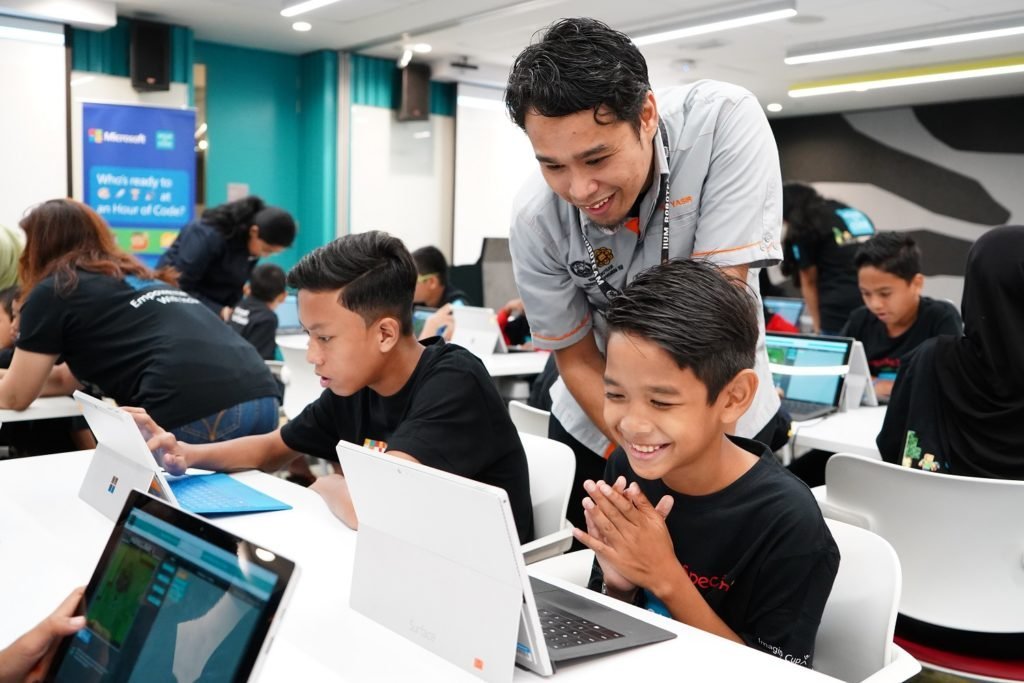
Through this program, Microsoft aims to train more than 24,000 educators and empower almost 500,000 students across Asia Pacific by mid-2019, of which 60 percent are girls, and 80 percent are underserved youth.