
Malaysia Communication and Multimedia Commission has released the findings of 2018 Network Performance Report in accordance with the Mandatory Standards Quality of Service based on Public Cellular, Wireless Broadband and Wired Broadband service.
This annual report gives the public and industry players a microscopic view of our telecommunication sector and their service level to their customers. In terms of wireless connectivity the key metrics used to measure performance are throughput, latency, packet loss, call setup rate and dropped call rate. MCMC randomly surveys households and users for their response on services and conducts ground tests on network strengths. These are universal standards in place which are also used by international agencies.
All telco’s in the country are subjected to the survey and these are times when most the bosses at the company’s start sweating. Evidently, the past 6 months has been a tumultuous period for the operators with the Ministry calling for wider coverage, better service and increase speeds. These hard stance in fact helped push Malaysia move up in ranks in the International Telecommunication Union ranking. Although all telco’s complied with the ministries call, one particular operator has been constant in its performance year on year.

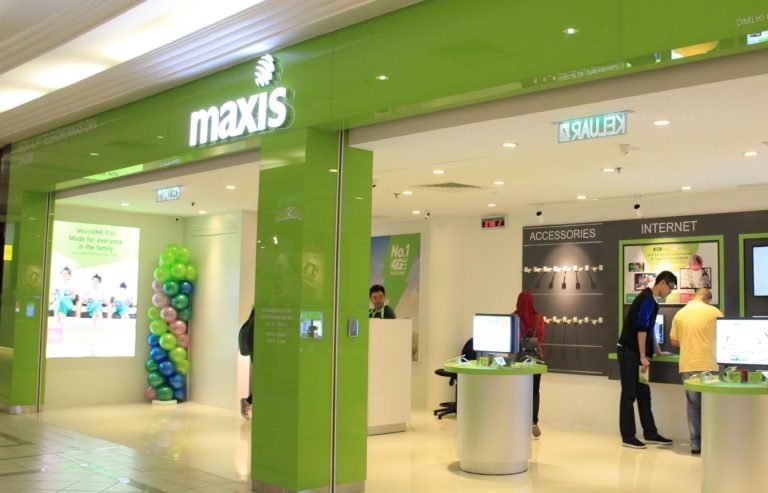
Maxis, has once again excelled in the QoS annual report coming up tops in the Download Speed, Network Latency and Lowest Packet Loss category, winning all three with stellar performance levels. In the average download speed, Maxis clocked in 35.02 Mbps leaving its nearest rival Digi which did 23.10 Mbps. Latency on the other hand was 34.48 ms and it also had the lowest packet loss at a mere 0.02%. That’s not all the telco beat the rest by states as well, number 1 in Sabah, Sarawak, Penang, Kedah, Perlis, Perak, Selangor, Wilayah Persekutuan, Negeri Sembilan, Terengganu, Kelantan, Johor and Melaka. This is the best performance for Maxis, achieving close to 100% across all areas of service.
On the other side of the spectrum, YTL continues to flounder both in Wimax and LTE, the telco has a long way to go in coverage, latency and service. YTL Wimax has been constantly performing below par and will have to increase its QoS especially when MCMC changes the minimum testing criteria next year to much higher speeds with wider LTE-CA deployment when the threshold will be 720p (HD) video quality delivery.
The report gives stake holders an overview of the state of affairs in the telecommunication sector that positively continues to see progress. Ultimately the goal will be to provide high speed coverage to rural areas and keep to the Government’s mandate where no one should be left out in digitalisation.