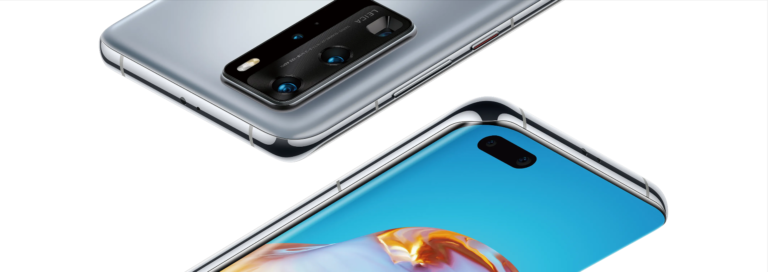
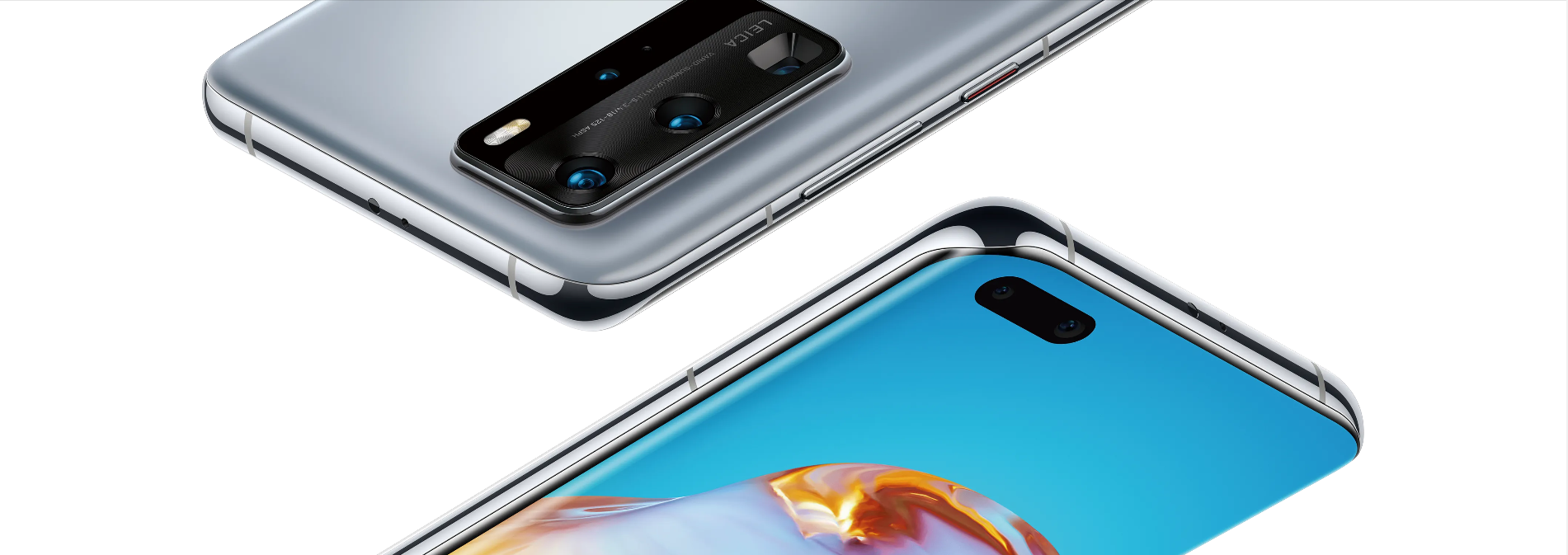
Huawei has finally revealed their P40 lineup of devices, consisting of the Huawei P40, Huawei P40 Pro, and Huawei P40+. There isn’t much differentiating the P40 Pro and P40 Pro+, besides the missing telephoto lens, so we’ll be talking mainly about the P40 and P40 Pro. Though, the P40 Pro+ does come with the industry’s first 10x Optical Zoom, which is actually pretty cool, but besides that, pretty similar devices.
Actually, there’s not a lot differentiating all the devices in this lineup, besides the camera setups, so let’s get straight into it.
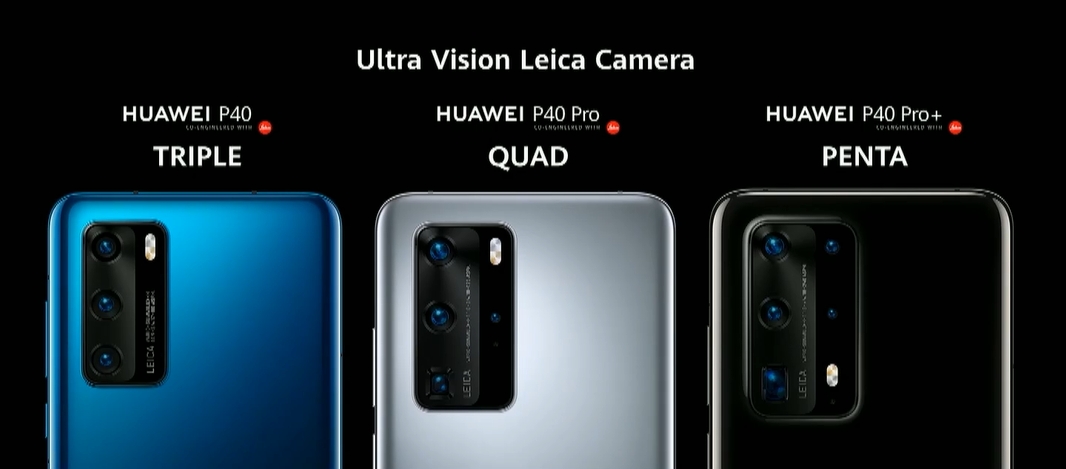
Huawei P40
The P40 is the smallest out of the three, and is relatively cheaper than the rest. The Huawei P40 comes with a 6.1″ OLED panel with a 1080p+ resolution. It is missing the higher refresh rate of the P40 Pro, and comes with only the normal 60Hz. No silky smooth screens here.
The whole P40 series is powered by a Kirin 990 5G chipset, which has a 5G integrated modem. All the P40 series devices comes with a base 8GB RAM, but the P40 only has a 8GB RAM/ 128GB storage variant. In terms of battery power, the P40 comes with a smaller 3,800mAh battery capable of a 22.5W wired fast charging.
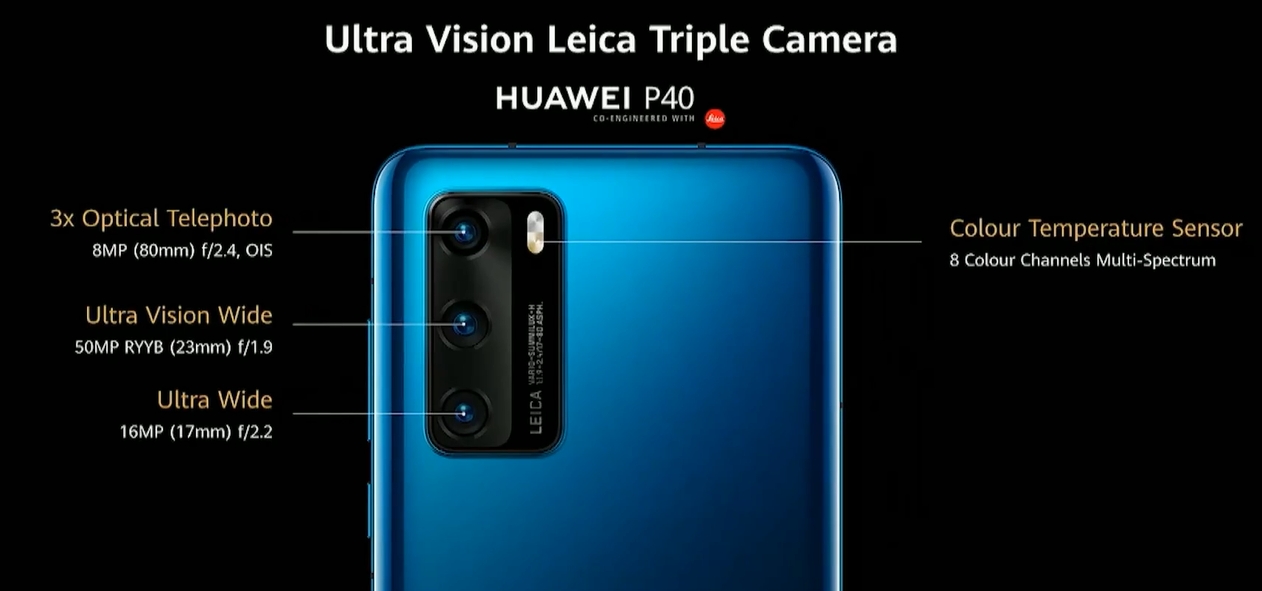
But let’s get into the main act of Huawei’s latest photography focused devices: the cameras. On the P40, it’s using a 50MP “Ultra Vision” module with a large 1/1.28″ sensor. There’s also a 8MP zoom camera with a 80mm lens with OIS and a 16MP ultra wide camera with a 17mm lens. There are acutally pretty much the same camera setup as the P30 and Mate 30, so not much exciting about the Huawei P40, really.
It also has some basic protection from dust and water, with a IP53 rating. The P40 will cost €800 (~RM3800) and launches on April 7th.
Huawei P40 Pro
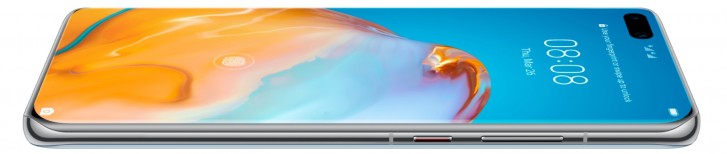
The Huawei P40 Pro has long been heralded the mainstay of the P series of devices. This time around, they’ve added a P40 Pro+ to the lineup, but before this, the P Pro lineup was their top of the line device.
The P40 Pro is where most of the upgrades are, both in their cameras an the display. The P40 Pro features something called an “Overflow Display” with four curved edges which extend down to the frame of the phone. They’re also now using a pill-shaped punch hole display, which houses the 32MP front camera. The 32MP front facing camera is standard on all P40 series devices, but the P40 has a slightly lesser f/2.0 FF aperture to the Pro’s f/2.2 AF camera. Yes, that’s right, they finally implemented an auto focus on their front cameras.
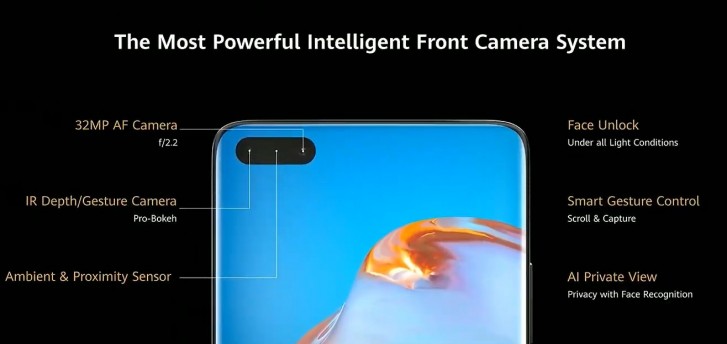
The OverFlow Display houses the 6.58″ OLED panel with a 1200 x 2640px resolution, capable of a 90Hz refresh rate. There’s also a bigger in-display fingerprint reader, which they claim to be 30% larger that previous devices. On the battery side, it comes with a 4200mAh battery, capable of a 40W wired Super Charge, and 27W wireless charging.
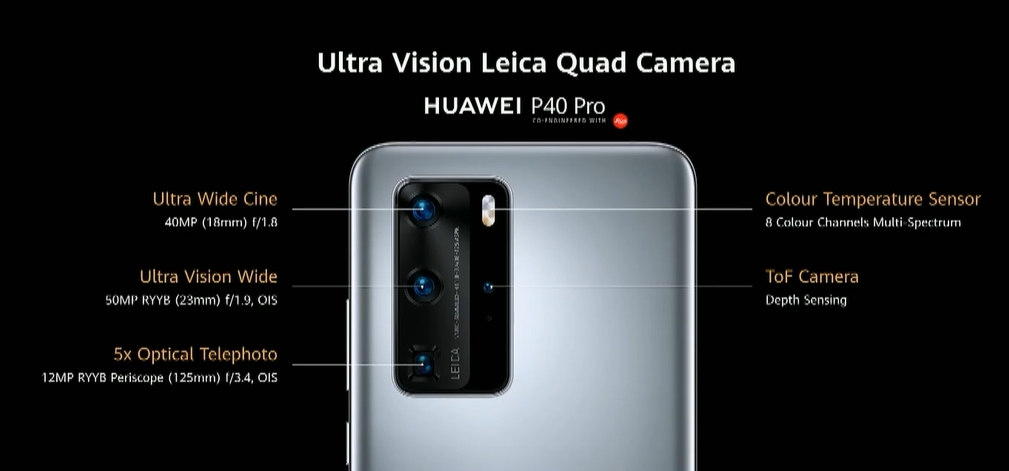
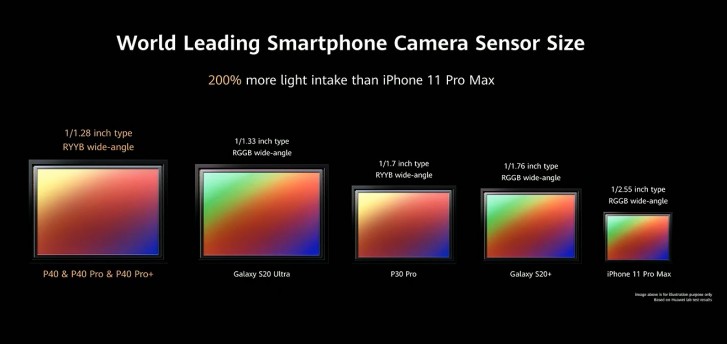
Now, on to the cameras. The main camera is a 50MP shooter with a RYYB colour filter and features a huge 1/1.28″ sensor, which is bigger than Samsung’s Galaxy S20 Ultra’s 1/1.33″. the camera also has a new Octa Phase Detection AF, essentially meaning 100% of pixels support phase detection autofocus. It also has Optical Image Stabilisation (OIS) and has a f/1,9 aperture.
They also come with a 12MP periscope RYYB sensor with a 125mm focal length and OIS. This sensor is apparently capable of a 5x zoom. To add on to the 50MP sensor, there’s a 40MP ultrawide angel Cine Lens camera, with a 18mm f/1.8 lens, 3D Time of Flight (ToF) sensor and colour temperature sensor.
The P40 Pro has higher dust and water resistance than the P40, with a IP68 rating. The phone also comes in four different colours; Black, Silver, Gold and White.
The Huawei P40 Pro will also be available starting from April 7th, and starts at €1,000 (RM~4700) for the 8GB RAM and 256GB storage variant.
But after all this, there’s one huge thing missing from Huawei’s P40 lineup. And of course, that is a very integral part of any smartphone devices these days: Google. There are no Google apps and no Google Mobile Services, which takes a big chunk out of productivity for most of the smartphone users around the world. No Google Maps? Gmail? YouTube? I’m not quite sure what I’d do with a device without these essential apps.
As impressive as the camera hardware is on the P40 series, we just can’t recommend a device with no Google. It’s quite literally, impossible.