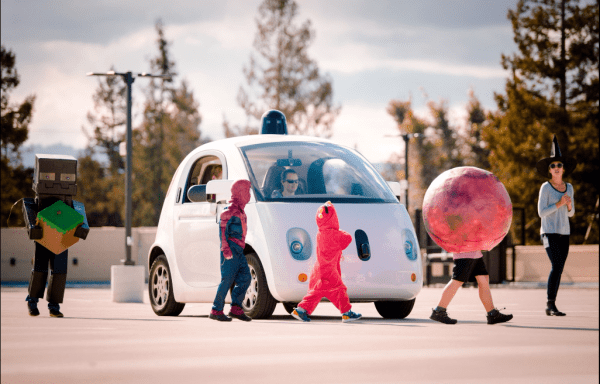
Google took the opportunity to teach its self-driving car this Halloween to be more cautious around children. Last weekend saw children of all shapes and sizes, in odd and wonderful costumes running around Mountain View and Google has asked for their help to make its self-driving vehicle safer.
The idea of a car that operates independently is a bit scary. This latest development for Google’s self-driving cars may help calm down some of those jitters. The sensors on the car can detect children, in costume or not, and the car understands that children may behave differently and are more unpredictable than adults. Hence, it’ll become more careful when children are around.
Google aims at changing the way we commute with this car. And if possible, help save lives. 94% of road accidents are caused by human errors. Google believes its smart car technology can change this. Of course, there has been controversies surrounding this issue.
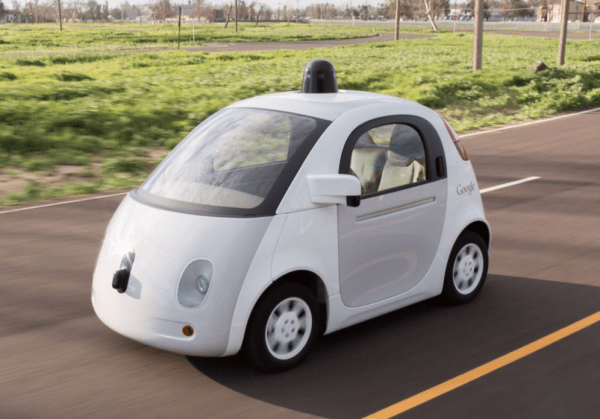
For example, how does Google assign precedents to passengers and pedestrians? Will the car, which is smart enough to drive itself, be smart enough to assess the risk in front of it to decide the next best course of action? And more importantly, should we let a car decide such an important question?
On a milder, less controversial note, Google also wants to give back the freedom to commute to the elderly and visually impaired passengers. The company also wants to enhance productivity by giving passengers the ability and time to complete other tasks while its self-driving cars take them to their destination.
Of course, the technology is not yet ready for mass consumption. Google is still putting the car on numerous tests and trials. So far, it has logged in 1 million miles on the self-driving car. Google will continue doing test drives so that its cars can encounter and learn from unique situations that will help it create a fully self-driving vehicle.
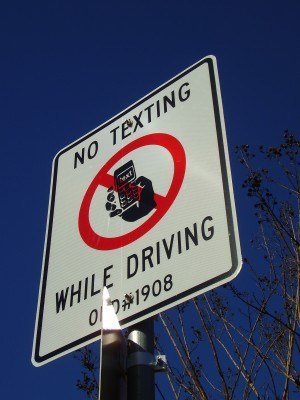
Plus, we are not ready for it yet. There are fears that people will get comfortable checking their phones and doing other things while the car take charge. Thus, increasing the risk of traffic collisions. Hence, we are seeing Tesla Motors adding the 10 seconds limit to its semi-autonomous feature in cars so that its cars are not actually driving itself just yet.