tl;dr: Google Lens is a AI/machine learning capabilities that recognises context based on visuals. Google Assistant is now available on iPhone. We still don’t know what the O stands for, but beta release is out now. There’s 2 new VR headsets coming. There’s some new but less exciting features in YouTube. Google is trying to push the AI message home.
OK, so that’s the really really boiled down version. Google I/O is upon us and just purely the keynote was 2 hours long covering everything from AI to Android to Youtube to VR to Tensorflow. Now we know there’s a lot of information, so we did the hardwork and bullet point it for you.
The main theme this year focus a lot on going from mobile first to AI first approach. Across all products – Google is applying Machine Learning (ML) and basically this is the updates for Google this year across all their products. Google redesigned their datacentres to bring a AI first approach. (There are more about Machine Learning, Google’s contribution into healthcare with ML, Cloud TPUs, Tensorflow – and all that is more for developers. For this report, we are focusing on consumer products.)
Before we move along, here are some numbers:
- Google’s main products – Search, Gmail, Maps, PlayStore, YouTube, Chrome, Android – sees over 1 billion active users monthly.
- Google Drive – 800 million active users, 3 million objects uploaded weekly.
- Google Photos – 500 million active users, 1.2 billion photos upload daily.
- Android – as of this week, cross 2 billion active devices (this is only smartphones and tablets).
A few mini announcements: Speech and image recognition error rates have dropped. Using ML, In the near future – Google can reduce noise in low light pictures, and even remove obstruction and objects in photos (think fences in a picture of a baseball game). Gmail comes with Smart Reply which gives predictions and suggestions of suitable responses for an email. Google for jobs is a new job matching feature that is integrated in Google Search.
Ok, now to the main announcements.
Google Lens
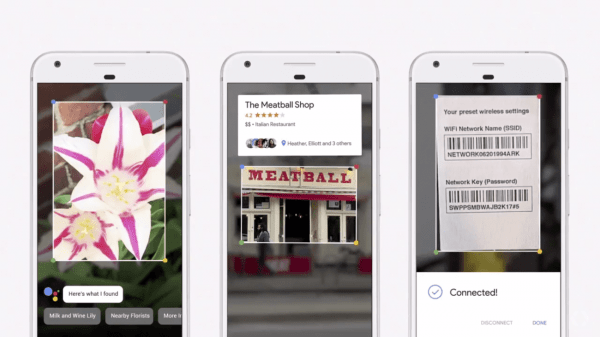
Vision based capabilities that can understand context and help take actions. So you can point your camera at a flower and Google Lens will recognise what it is. Or automatically connect your WiFi when you point the lens at a router’s setting information. Or recognise a place based on a photo, and suggest travel routes, opening times…etc. Will ship with Google Assistant and Photos.
Google Assistant
- Instead of purely using voice, you can now type in the Assistant.
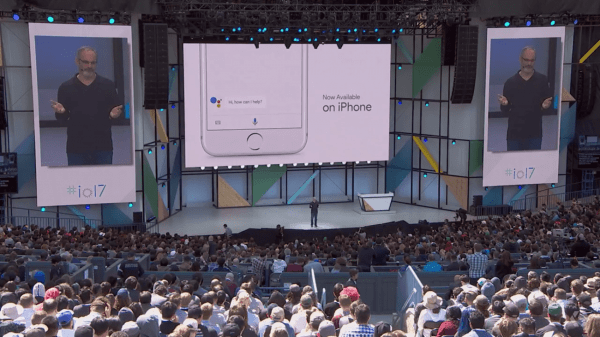
- It is also now available on iPhone.
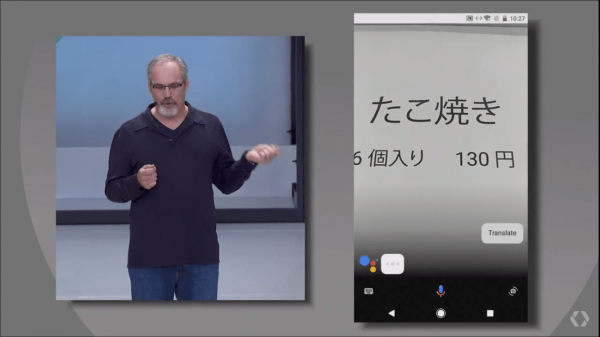
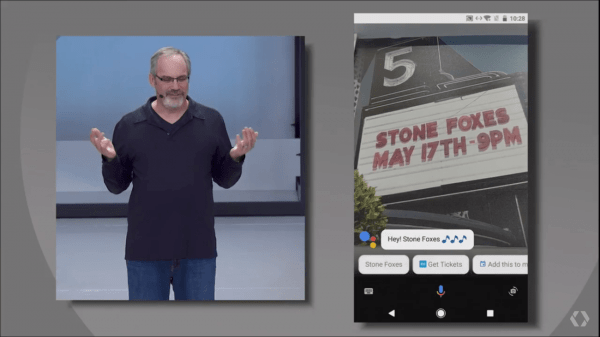
- Google Lens is integrated – and you can do instant translation from just pointing the Lens at a sign. You can also set events, buy tickets etc. from pointing the Lens at a billboard. You can do that all native in the Assistant.
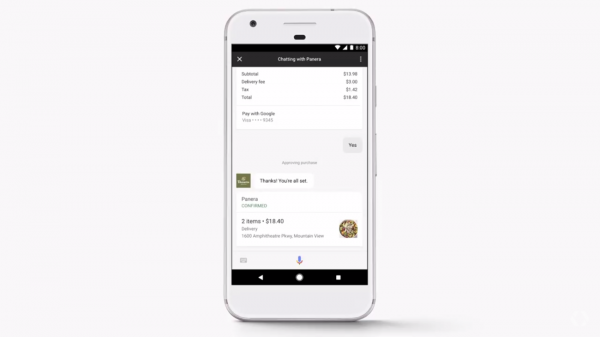
- Use it like Alexa – to control all your IoT and connected devices. Actions on Google allows the Assistant to do more across all devices. This includes payment. Access everything on the Assistant, without leaving the app. No need for additional apps or accounts.
- Google Assistant SDK available for developers to integrate into all devices, with “Google Assistant Built in” seal of approval.
- Starting summer, rolling out in French, German, Brazilian-Portuguese, Japanese. Italian, Spanish and Korean by the end of the year.
Google Home
- After launch in UK, summer will see roll outs in Canada, Australia, France, Germany, Japan.
- Support for multiple users, recognising up to 6 people in the house.
- Proactive assistance – automatic notification. Google Home will remind you automatically based on context – starting with reminders, traffic delays, flight status. Additional customisable functionality to be added in later dates.
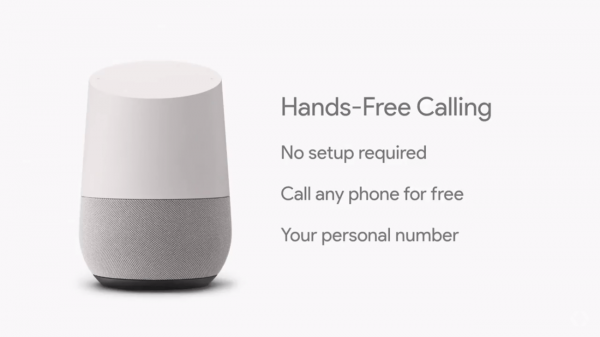
- Hands free calling – any landline or mobile number in US or Canada – completely free. No additional apps or setup needed. Uses private number but can add a dial out with your personal number.
- Spotify free is also available on Google Home now. SoundCloud and Deezer joins in as well.
- Bluetooth support added.
- No extra screens like Alexa – instead, it’s connected to whichever device with screens that is most relevant. Like location information sent to your phone after you’ve asked about an appointment.
- Visual responses can be shown on TV screens with Chromecast.
- Personalise experience based on different people’s voice. Assistant can recognise context based on voices too
Google Photos
- Suggested sharing – reminds and suggest people you want to share the photos with – based on who’s in the photos. Users can contribute to sharing albums in Photos.
- For recipients with no Google Photos – send by SMS or emails.
- Share libraries allows for auto sharing of certain photos or album.
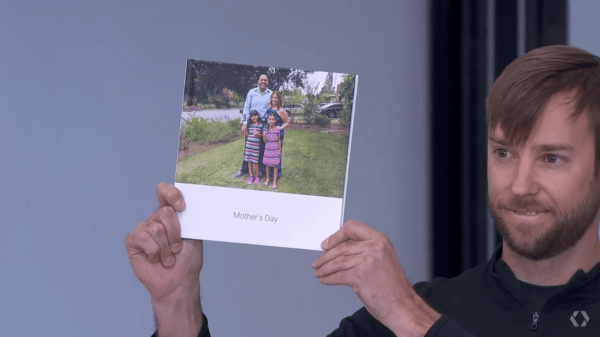
- Google Photobooks – printing service, allowing users to print photobooks. Available starting today in US, from USD $9.99. Other countries will get them on later dates.
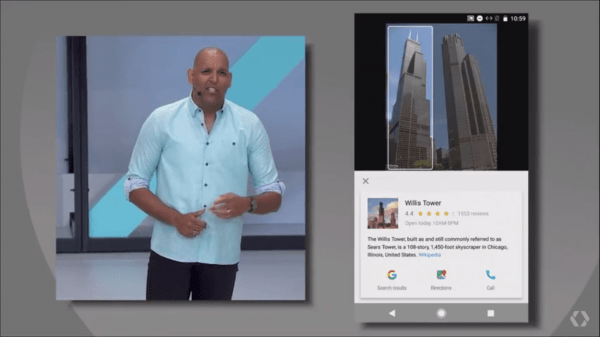
- Google Lens in photos can recognise visuals and provide information about a building, or famous artwork etc. Lens rolling out later this year in Photos.
YouTube
- 360 degree view on TV – control with your remote to watch and explore 360 view on the big screen
- Live 360 on TV
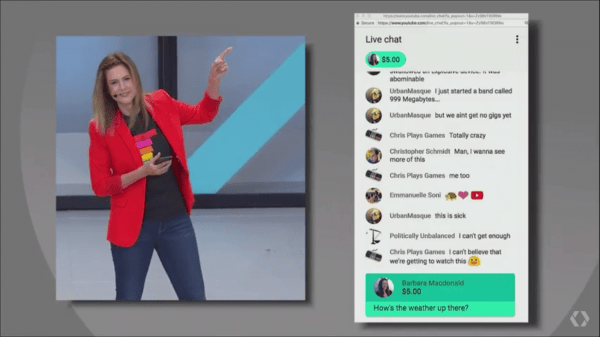
- SuperChat – fans can purchase for highlighted messages on live stream – and creators can earn more money.
Android
- We still don’t know what the O is.
- Beta release is now available.
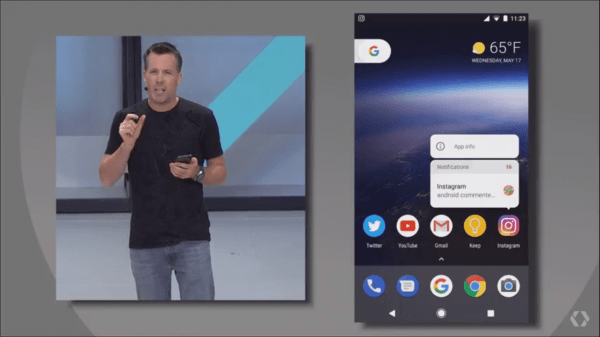
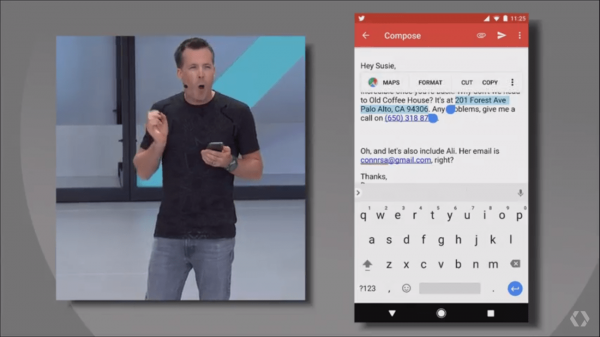
- Fluid experiences – picture in picture capabilities for multitasking; notification dots – long press for notification details in place where the app is; autofill with google; smart text selection – system can recognise context like address, phone numbers, emails and suggest suitable apps for copied text.
- Vitals – keep the system optimise and efficient – for performance, for battery optimisation; Google Play Protect – scan for harmful apps; faster boot times; limiters to protect battery life and free up memory; Android Studio Preview – developer tools to help trouble shoot app developing issues.
- Kotlin – New programming language supported for Android.
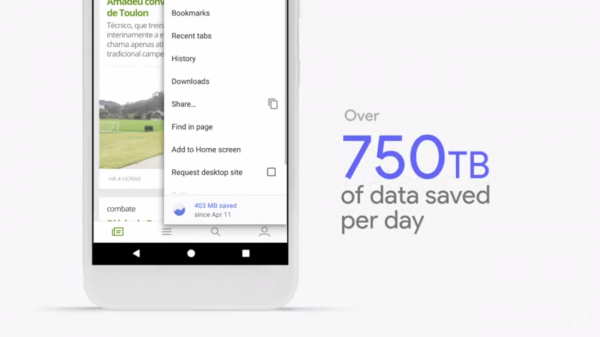
- Android Go – light version of Android OS that is optimised for entry level devices with less than 1GB RAM (running 512 MB to 1GB memory). Uses less memory, storage space and mobile data. PlayStore specifically highlights apps that uses less data and storage. Focus on data management. Optimised for multiligual use – targeting emerging markets that isn’t English native.
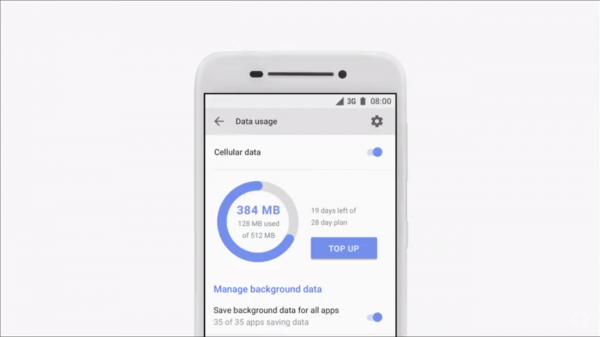
- Starting with Android O, Android Go will be default for devices running 1GB RAM or less, after which every Android release comes with Go configuration.
VR/AR
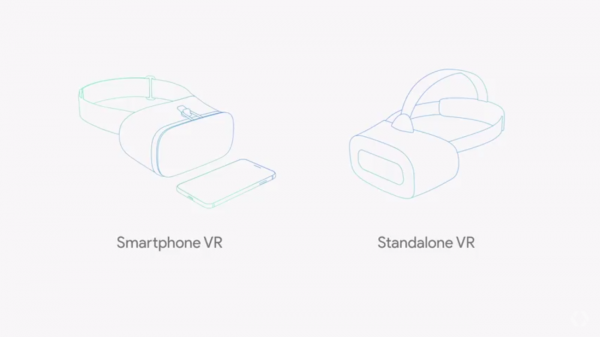
- Standalone VR devices – working with HTC and Lenovo. No details about each headset, but they are coming later this year.
- Tango phone – latest ASUS Zenfone AR to go on sale in the summer. Tango is a sensing technology that helps devices understand spatial information.
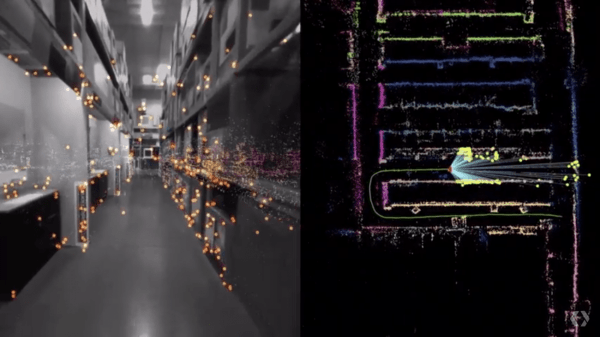
- Tango integrates with Google Maps for Visual Position Services to triangulate and recognise positioning indoors. So the device can help you identify location of certain object that you’re looking for in a department store for example. This is done through the phone recognising points through using your camera.
- VPS is also hailed to help with visual impairments when paired with audio capabilities.
The full keynote is here, if you have 2 hours to spare