Mention Google and the first thing that comes to mind is the mainstay Search Engine of the same name, it even acts as a verb most times; that is the norm until one considers how Google shows businesses the benefits of going digital. This, of course, is mostly due to the various services Mountain View has to offer.
Over the last 10 years, technology has introduced and enabled various transformations. From processes to trends, every related aspect has a connection to improving businesses and their related ecosystems. According to Karim Temsamani, President, Google Asia Pacific: “With technology, everyone is able to create new relationships. In fact, all the new innovations we see now are the end results of next-gen concepts that are coming online. This is what Google wants to achieve with businesses in Asia. Right now, innovation can come from anywhere and anyone can create the next global hit. If anything, Asia is it.”
While other regions have equal potential, Temsamani believes Asia has the most potential to leverage on these new innovations; specifically, with mobility and the Cloud. New programmes and solutions – for both – from Google shows that there are plenty of ways to go digital.
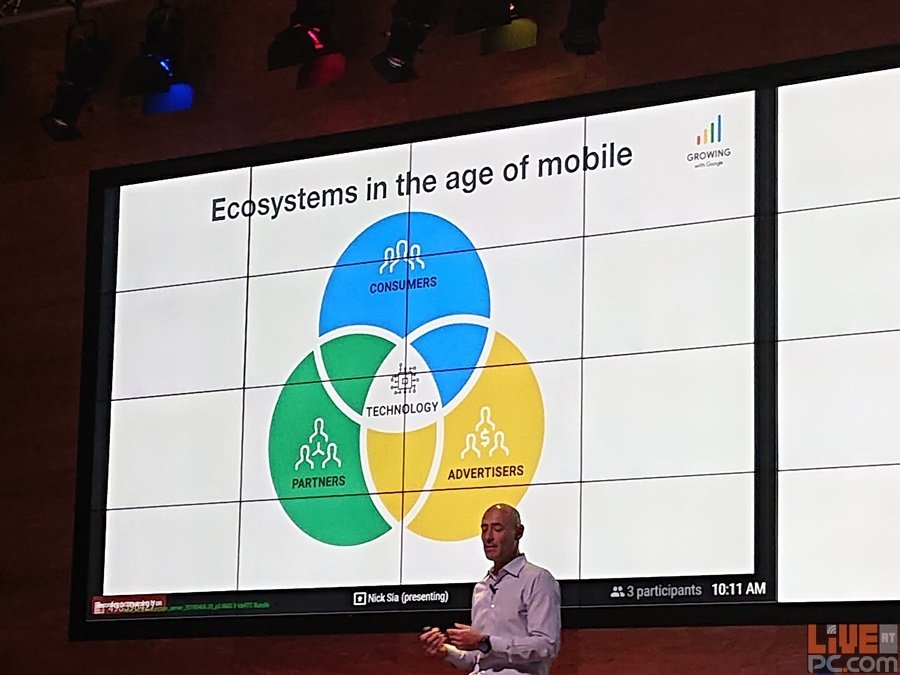
In fact, both are already drivers of growths and the forces behind disruptions that are now in play; even so they’re still necessary to drive digital transformation in businesses and societal norms. For Temsamani, these two are fuelling the demand for change among businesses; in fact, they’re finally starting to understand the potential such trends have to offer.
These prevailing points from Temsamani and his colleagues are focus topics during the recent Growing with Google event at Singapore.
“Devices are now proliferating at an explosive rate, with some owning more than two smartphones at any one time. It’s easy to tell that more users now have access to the Web. Thusly, businesses now must do more and become better at engaging their customers. After all, those coming online within the next decade are part of the new billion users; all of whom will further empower the digital economy,” adds Temsamani during his keynote.
Supercharge with Google
To help businesses engage this next billion users and accelerate digital transformation in various economies, Google is raising the ante. While similar efforts are already in place, none have the capacity to accelerate businesses in short order; nor are there programmes that are overwhelmingly comprehensive. While there are multiple productivity initiatives for businesses in Google, it is now looking to go beyond creating solutions.
“Google is no longer just about making platforms that help businesses and streamline the user experience. As technology creates ecosystems that inter-connect, so to did Google strive to push out services that inter-relate. Therefore, we must now be equally as responsible with maintaining and encouraging progress within these thriving solutions,” shares Temsamani.
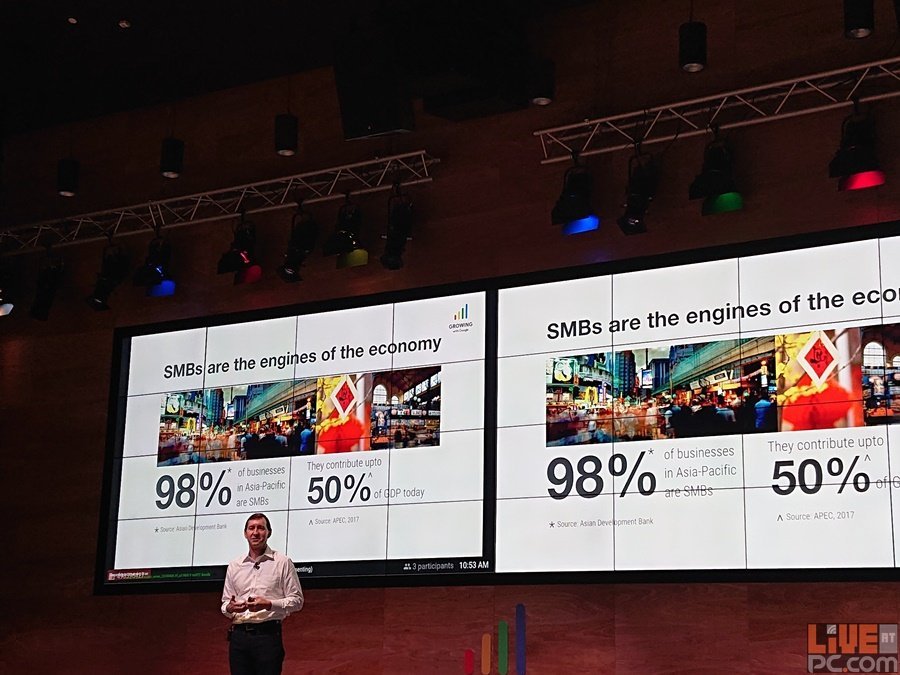
Kevin O’Kane, Managing Director, Google Marketing Solutions, Asia Pacific, expands on those points; during his panel, he reveals how organisations are now very much Google-dependent. As is, small- and medium-sized businesses (SMBs) – the primary engines of growth for all economies – must make that digital leap. According to O’Kane, consumers in Asia spend almost all their time on the Web. To connect with these next billion, SMBs need to reach out digitally if they ever want to stay relevant.
“(As Temsamani points out), mobility is driving digital transformation in Asia. This further spurs Google to develop and offer several free and paid services; the latter features advanced capabilities that are of use to most organisations,” O’Kane adds.
Renewed Focuses
Having built infrastructure and solutions that now empower the Web, Google quickly realised that most users are localising the system. According to O’Kane, the next billion users are going online via mobile to discover nearby locations and amenities. Simply put, the Internet now plays the role of connecting businesses to potential customers. “That changes the scale of proximity as the concept of locality distance and geographical boundaries do not exist. It’s as big as the number of people looking for SMBs or the products and services these organisations provide,” he adds.
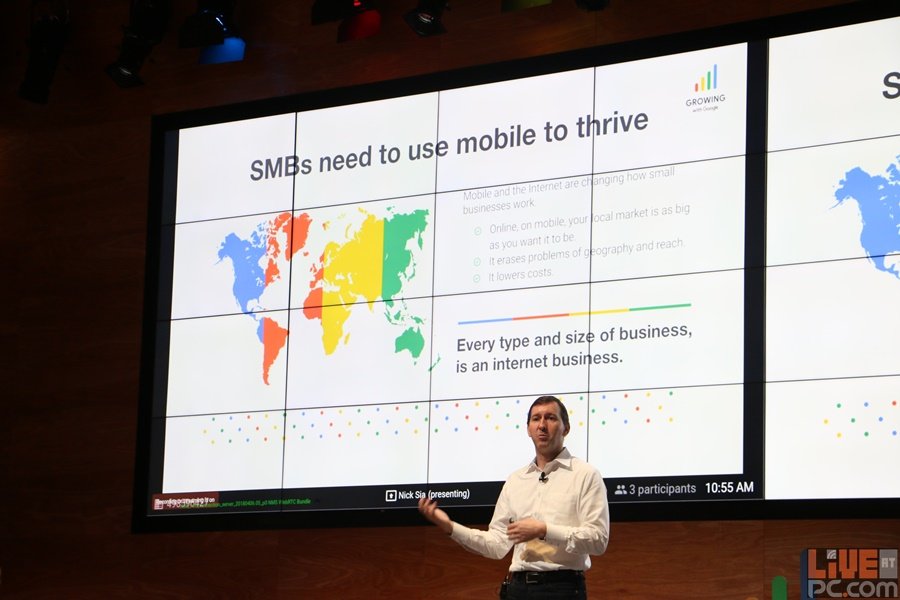
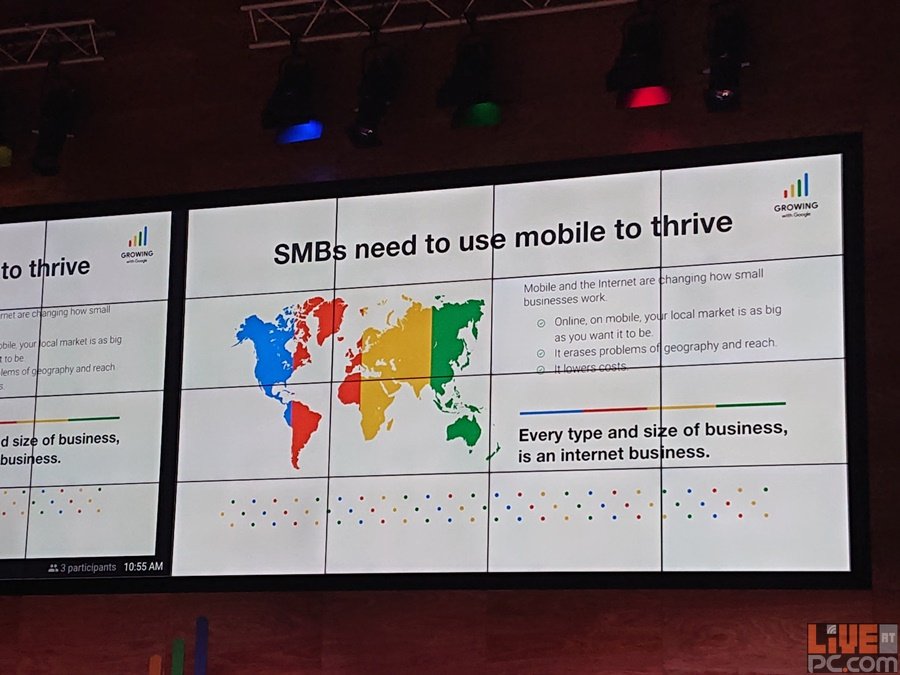
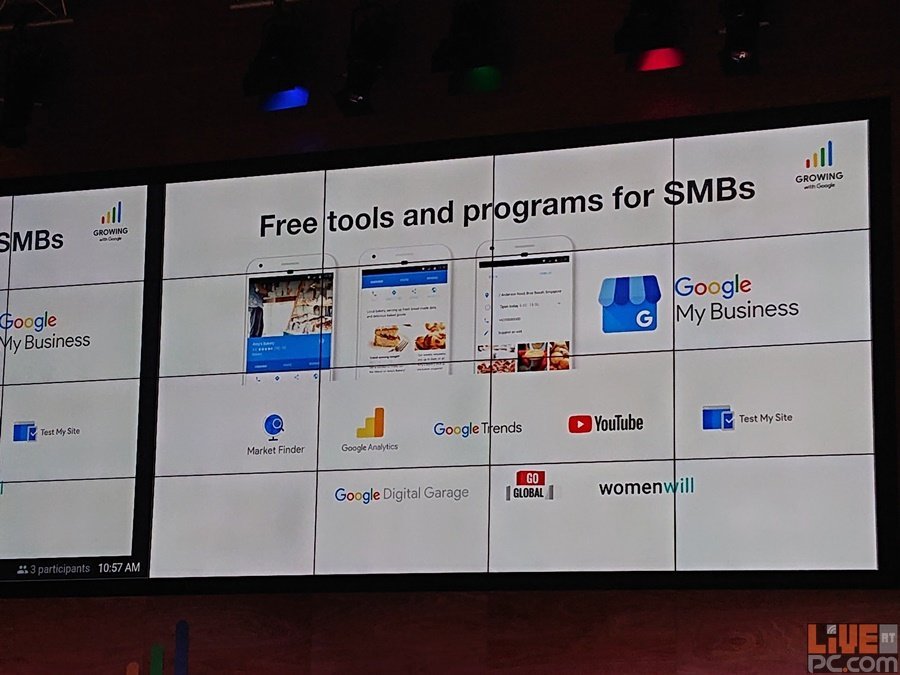
One key example that O’Kane discusses during his Growing with Google session is how Google shows how its own platforms can help SMBs. Services like Search and Maps now provide free presence for SMBs so long as they register for Google My Business. There are other offerings that are up for consideration as well; like Market Finder and Web Analytics for data engagement or Skill-Up programmes such as ‘Digital Garage’ and ‘Go Global’. Most should also consider YouTube even to deliver their video content.
“Google wants to get businesses online quickly and start engaging their customers. We also want to show them that these tools are not as challenging to use,” O’Kane says.
Google shows and reinforces its commitment by ensuring every part of these ecosystems thrive consistently; it will achieve that in two ways. First, making sure all partners benefit from these continuous growths. Google has, in the last three years, invested over US$24 billion – in research and development mostly. This is to ensure its Asia Pacific developer and creator, even publisher partners can continue to thrive. Second, provide protective functions that prevent threat actors from exploiting these systems.
In doing both, Google believes it can enable all businesses to go online. Now it’s only a matter of time before, just like communications between people, all business processes will go fully digital. Mountain View, of course, is looking to accelerate the entire process.