When Samsung first launched the Galaxy A series, the thing that really stood out for me was the refreshing design change. It felt like Samsung had finally woken up to the changes in the market and Samsung fans could start hoping for even better devices, outside of the highly popular Note series.
Although we reviewed the Galaxy S6 and S6 Edge first, it was the A7 and A5 that started the metal unibody revolution for Samsung. And since we got the A7 and A5 both at the same time, we’ve decided to review them in tandem so that you can better see the similarities and differences between the two.
Brand new shine
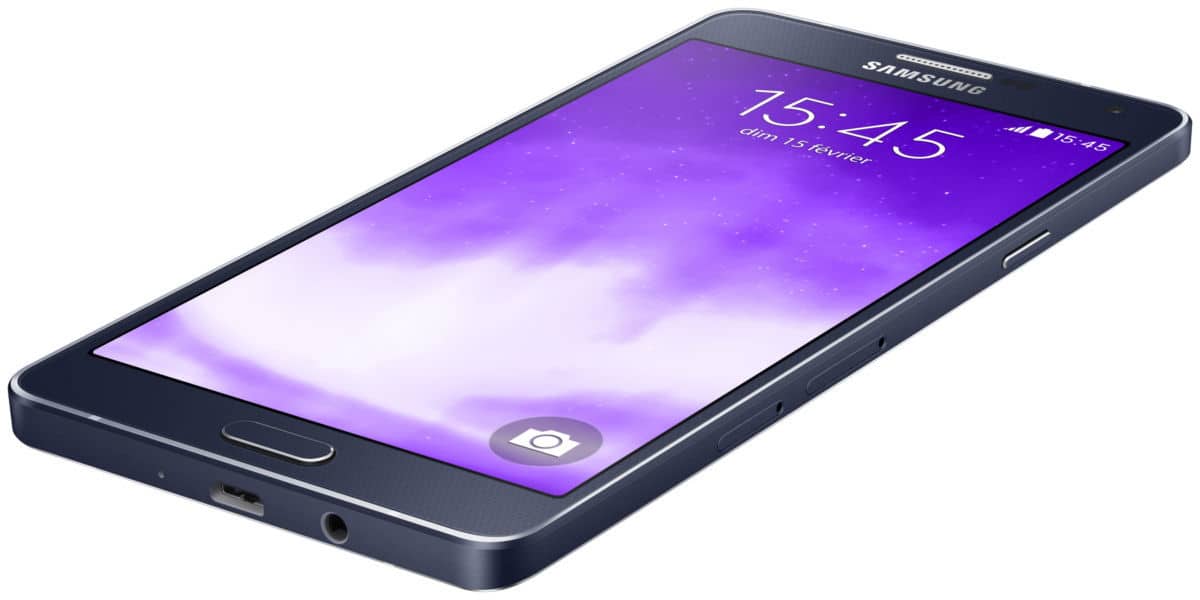
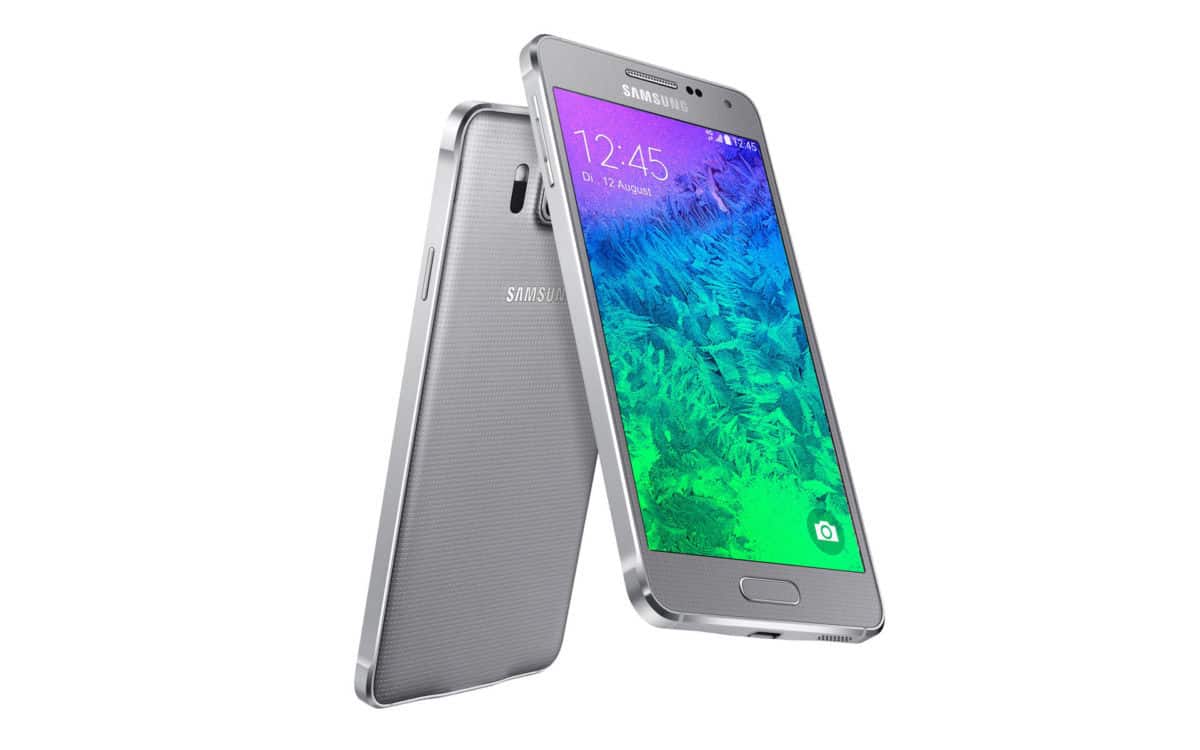
Both devices sport metal frames, which gives them a very solid feel. It’s a fantastic upgrade for long time owners of Samsung devices, many who dislike the plastic build common to the brand, including me. The A7 and A5 felt great in my hands, with that thin body that allowed for a firmer grip despite the brushed metal back.
Visual Disparity
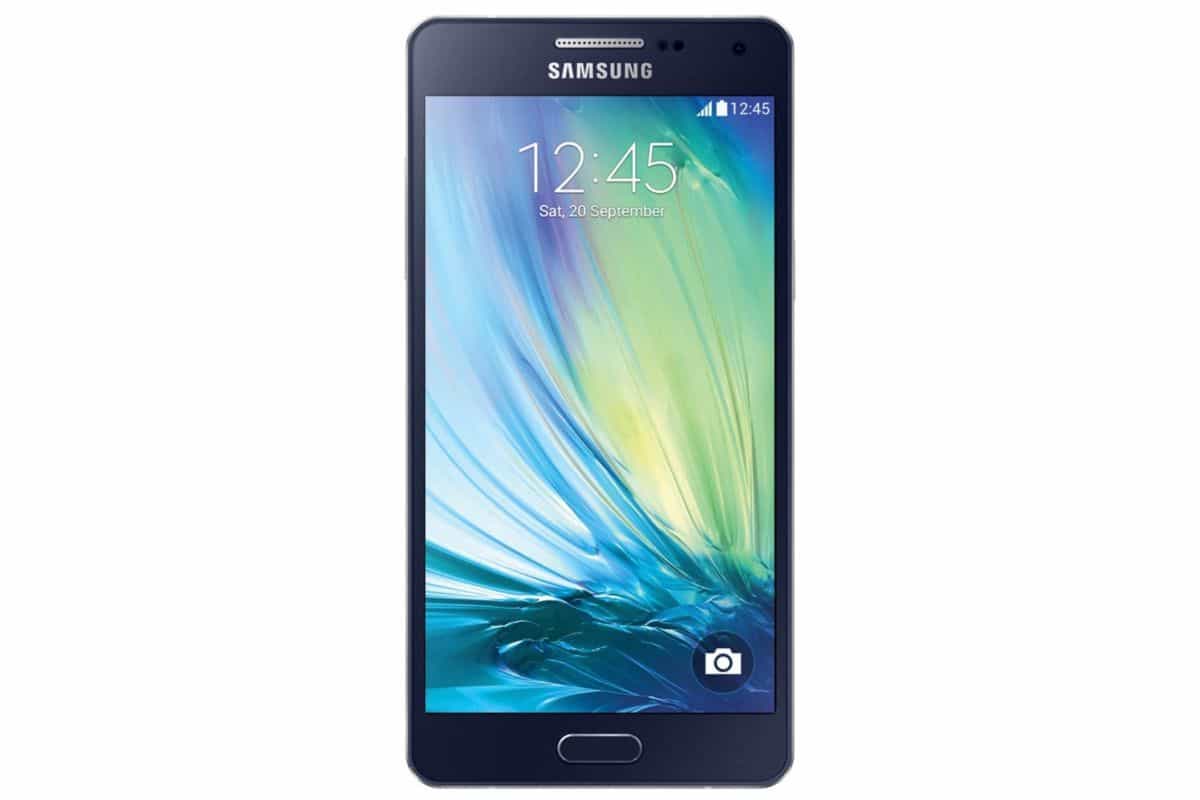
The first key difference of the A7 and the A5 is the display. On the A5 is a 5-inch 720p screen, while the A7 sports a 5.5-inch 1080p one instead. At more than double the amount of pixels, this gives the A7 a clear advantage when it comes to visual sharpness and resolution, so take note of that if it matters to your purchase decision.
Underwhelming Power
Performance was the most significant factor that separated the two smartphones. While Qualcomm’s Snapdragon 615 works well for midrange devices like the A7, the 410 is really more for upper entry level or lower midrange devices. Take a glance at the benchmark scores and the difference is apparent, the A7 just works better for media and entertainment, while the A5 fits more as an entry midrange that gives people a good camera for casual use. If there’s one thing that hasn’t changed, from the norm for Samsung phones, is that both phones get really hot when the processor is running on full tilt.
Decent point-and-shoot
First thing I did when using both phones was to add the exposure level and ISO settings to the row of shortcuts, since those were the settings I used the most. Those two alone helped me with most casual snaps, except in very low-light. Next I looked at the modes available and found the usual panorama and night mode, but unfortunately no HDR. I use the mode a lot, so I decided to download it. However, using the internal download “app” yielded nothing, which left me wondering if it isn’t available for download via local or regional servers yet.
The biggest problem I encountered had to be the lag. I’m not sure if it is because it hasn’t been optimised yet, but whenever I want to preview a shot after taking one, it takes a few seconds before it loads; a few seconds too long when you are trying to snap a quick shot at an event to upload to social media. Issues aside, I was happy with the quality of the photos produced by the A7 and A5.
Squeaky Soft
Like many phones, the A7 and A5 each has a small back speaker that wasn’t as loud as I’d liked it to be. On the A5 in particular, sometimes I don’t hear it unless I’m within one or two feet away, making me miss my notifications or alarms in the morning. This could be a problem with people who wear headphones at work. Also, it being a back speaker meant that when it’s facing down – depending on the surface – the sound might be muffled.
Hit and Miss
Wrapping up, I believe Samsung got it right with the A7. It’s a little pricey but for full HD, a good camera and all the other features, the smartphone is a decent midrange device. However, despite having the same set of features, the A5 isn’t quite up to par at just RM300 cheaper, because of the subpar processor. If you’re a Samsung fan eyeing a midrange smartphone, the A7 is definitely the superior choice.
Price RM1,499 (A7),
A7 Specs
Dimensions 153.9 x 78 x 5.08 mm
Weight 156g
Chipset Snapdragon 615
CPU Quad-core 1.5 GHz Cortex-A53 & Quad-core 1.0 GHz Cortex-A53
Graphics Adreno 405
Memory 2GB RAM
Display TFT LCD, 5.5in, 1080 x 1920 pixels
Camera 13MP rear-facing (autofocus), 5MP front-facing
Storage 16 GB, expandable by microSD
Operating System Android 4.4.4 Kitkat
Battery 2600 mAh
A7 Benchmarks
AnTuTu Benchmark 30331
3DMark Unlimited 7735
GFXBench Manhattan 347.2 frames
GFXBench Manhattan 1080p 355.1 frames
GFXBench T-Rex 827.6 frames
GFXBench T-Rex 1080p Offscreen 833.4 frames
A7 scores
Value 7
Performance 8
Features 8
Design 9
Usability 8
Verdict Awesome new design, but heat issues persist.
Total 8
Price: RM1,199 (A5)
A5 Specs
Dimensions 139.3 x 69.7 x 6.7 mm
Weight 123g
Chipset Snapdragon 410
CPU Quad-core 1.2 GHz Cortex-A53
Graphics Adreno 306
Memory 2GB RAM
Display TFT LCD, 5.0in, 720 x 1280 pixels
Camera 13MP rear-facing (autofocus), 5MP front-facing
Storage 16 GB, expandable by microSD
Operating System Android 4.4.4 Kitkat
Battery 2300 mAh
A5 Benchmarks
AnTuTu Benchmark 21470
3DMark Unlimited 4389
GFXBench Manhattan 245.3 frames
GFXBench Manhattan 1080p 113.3 frames
GFXBench T-Rex 532 frames
GFXBench T-Rex 1080p Offscreen 298.9 frames
A5 scores
Value 7
Performance 6
Features 8
Design 9
Usability 8
Verdict Not the best value for the performance offered.
Total 7.6