Just last week, a friend and I were itching to take our penny boards for a ride. We brought another companion along—the Garmin Virb X, a high-resolution action cam my friend bought three years ago when it first launched in the market.
I wanted to see how the Virb X fared against its competitors in the field. Is the device still relevant today? If so, is it enough to stand out from the crowd?
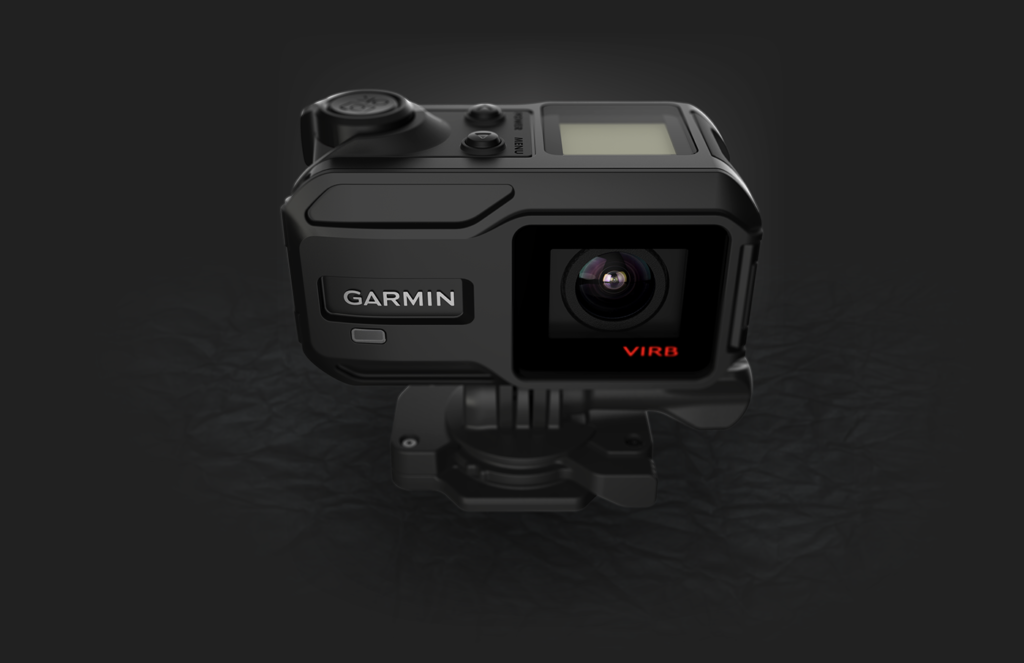
Introducing the Garmin Virb X
Even after three years in the market, Garmin Virb X proves to be a relevant machine, with its technology in keeping with the collision of two great Internet and lifestyle sensations— vlogging and heath tracking.
That’s the appeal, I think. Despite a foot still in the heart of good old 90s functional design, Garmin’s strength and innovation in navigation and data tech continues to propel the brand forward with the Garmin Virb X.
Durable by design
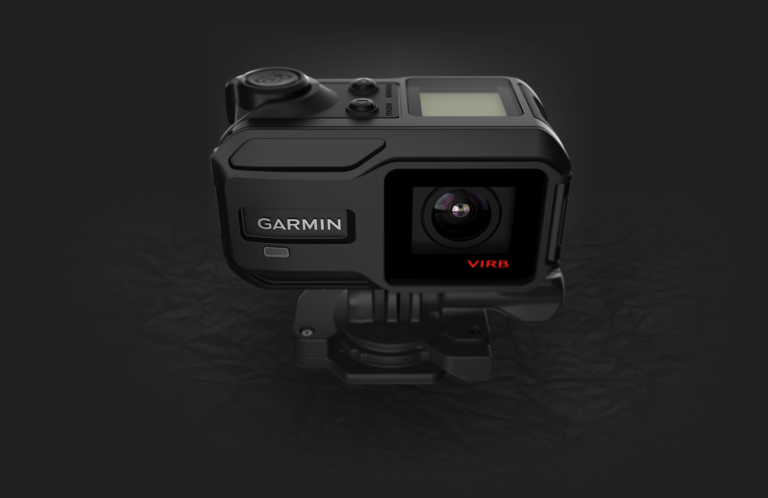
The Garmin Virb X comes with a hard-plastic shell that looks rugged and easy to operate. The build reminded me of an old pager, or a first-generation Nokia phone— I could toss and throw it a hundred times and still, Snake functions! Similarly, the Virb X feels extremely sturdy and solid in my hands.
In fact, the Virb X hits a sweet spot between functionality and nostalgia. Building its base around the principle of analog design adds value to its durability and appeals to many people wanting to go back to the basics.
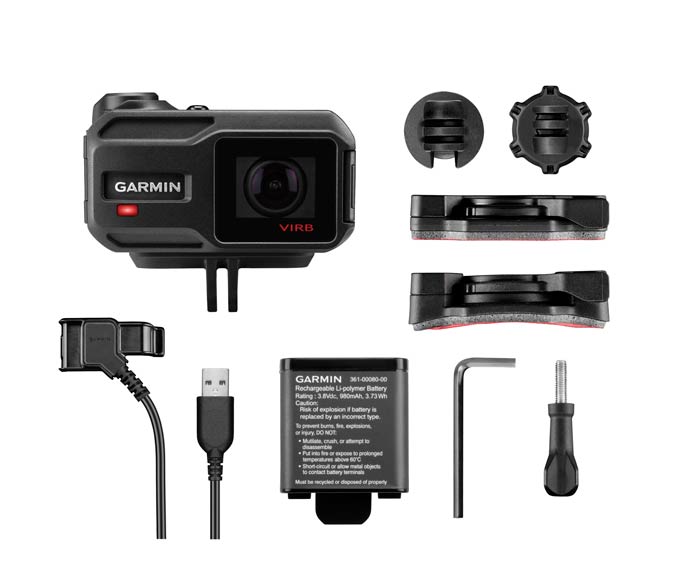
Open the flap of the camera, and it’ll seem like I’m peering into the inside of a scaled-down SLR. But in there, you won’t find any film or spools, rather a slot for a MicroSD card, a “fog tray” and a battery.
The top of the device features a 1-inch, 128 x 128-pixel monochrome LCD screen. There’s also a dial to flick to start recording a video. This feature goes a long way in helping me figure out if the camera was recording or not.
A shutter button enclosed by the dial can also be pressed at any time to shoot a still image.
Though, one of the obvious compensations of Virb X’s compact design is the absence of a viewing screen. Except through the Virb app, accessible through your smartphone, there’s nothing for viewing real time media on the camera itself. You know, it is 2018 after all.
Deep diving data
Let me dive straight into why I love the Virb X.
Firstly, the 151.7g device is waterproof to an impressive 50m, surpassing what the GoPro can achieve with a waterproof casing.

For a small box, the Virb X is equipped with a lot of technology. Garmin added GPS into the device, enabling the camera to collect panoply of data — altitude, speed, acceleration and G-force.
When connected to Garmin’s ANT+ sensors, the Virb X also tracks and records heart rate, temperature, water depth, wind speed, torque, and much more. These data will then be presented in a wide variety of visual overlays when the video is edited in Garmin’s Virb Edit software, for Windows and Mac. This, to me, is one of the biggest selling points of the Virb X.
Lagging behind in video quality
The Virb X shoots at 1080p at 30 frames per second. With regards to photos, the camera captures up to 12MP with 10fps.
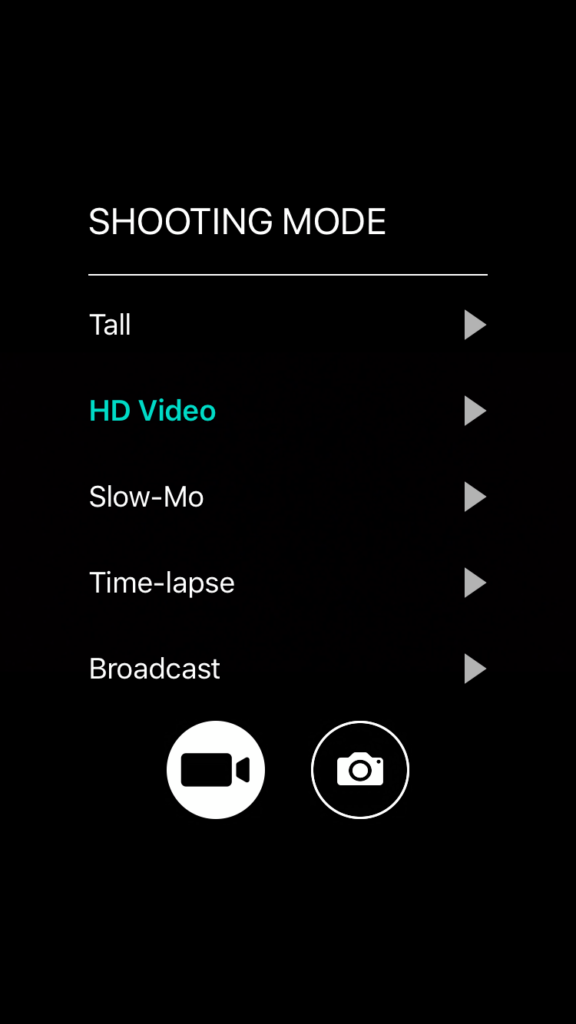
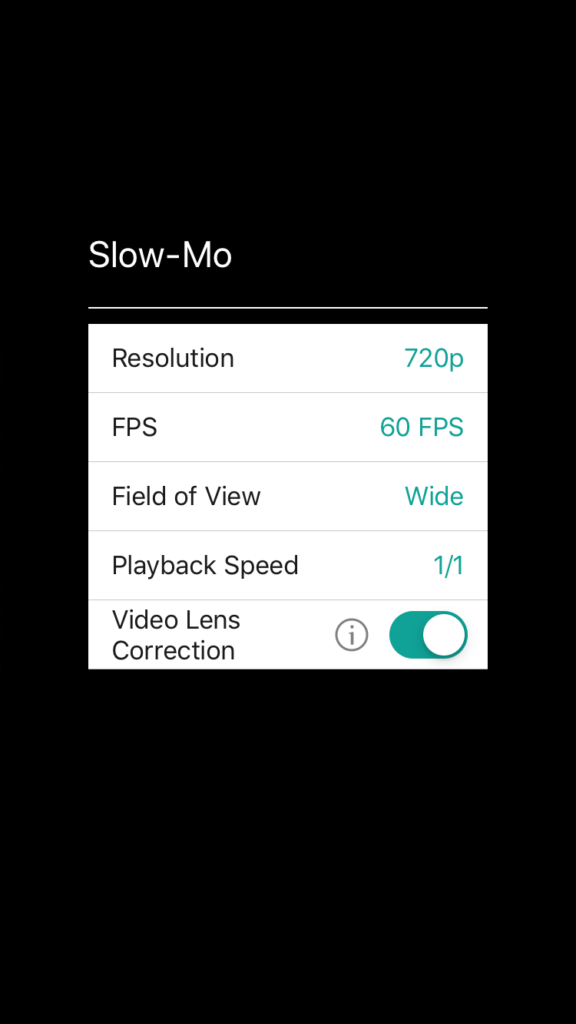
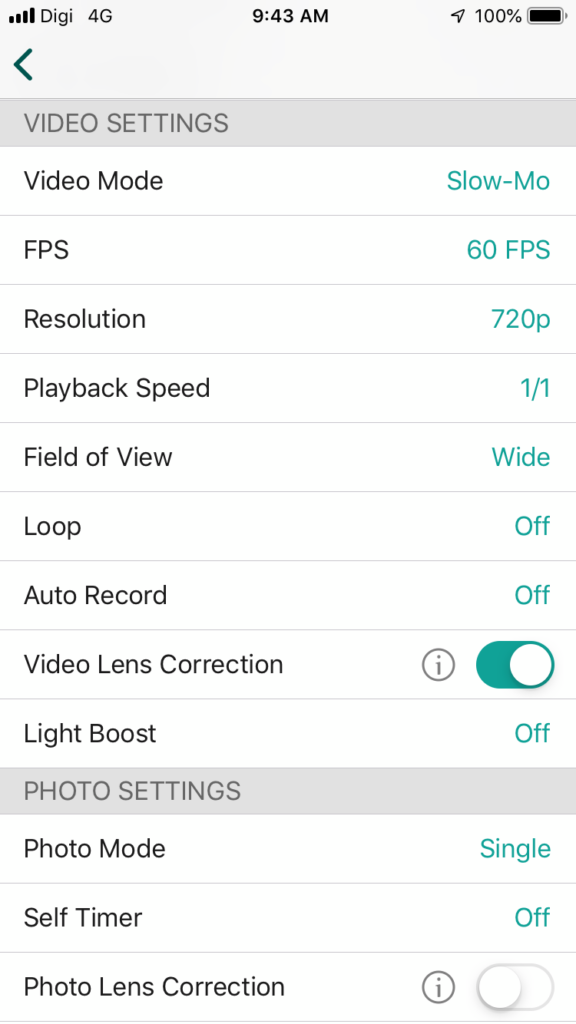
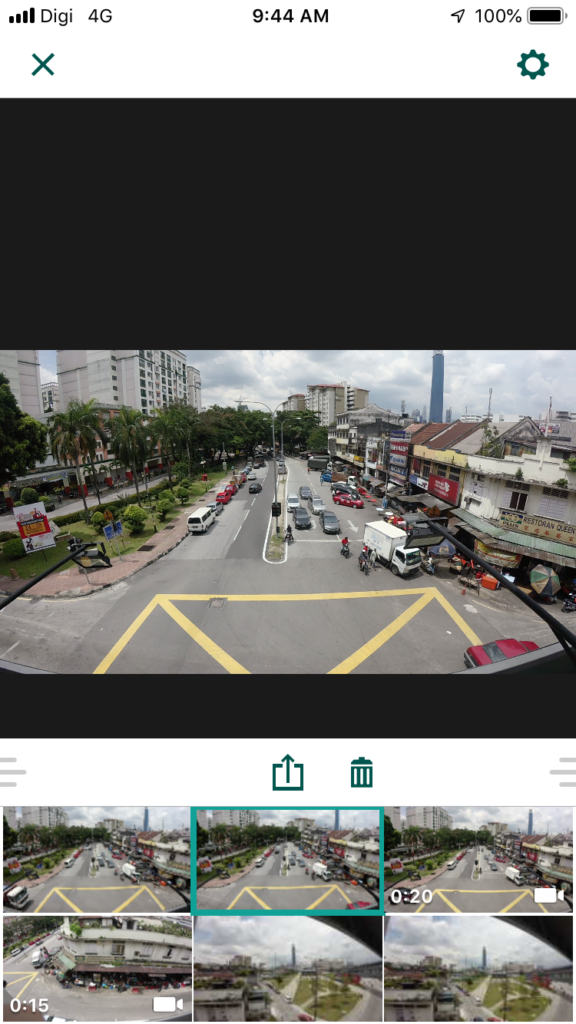
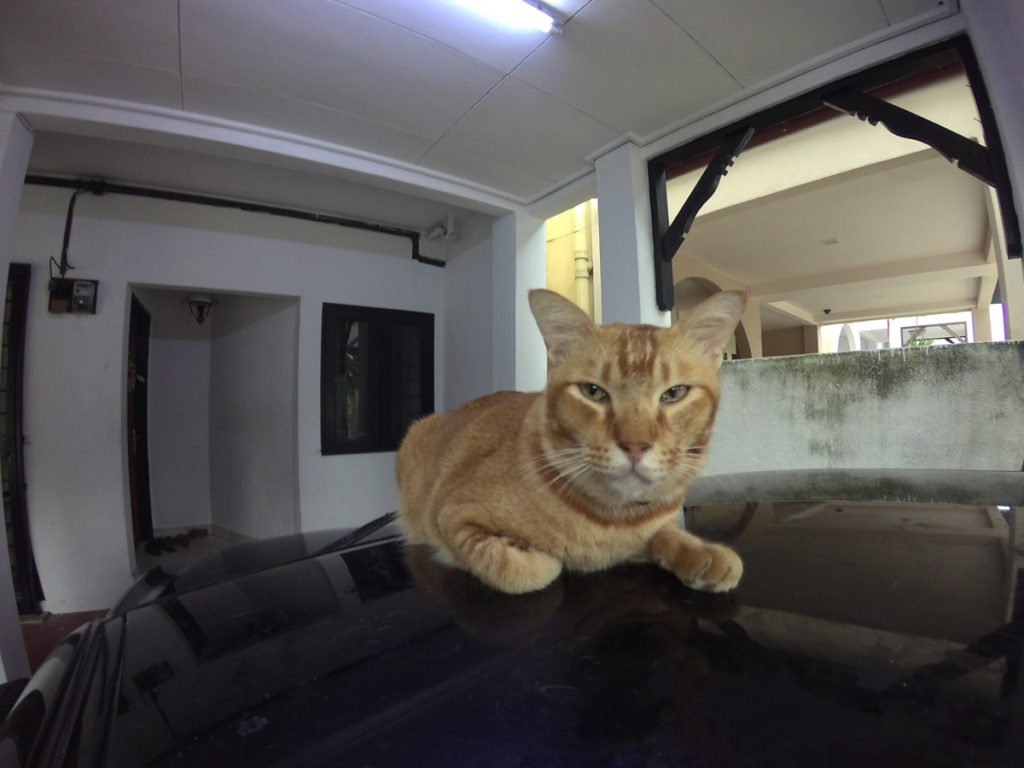
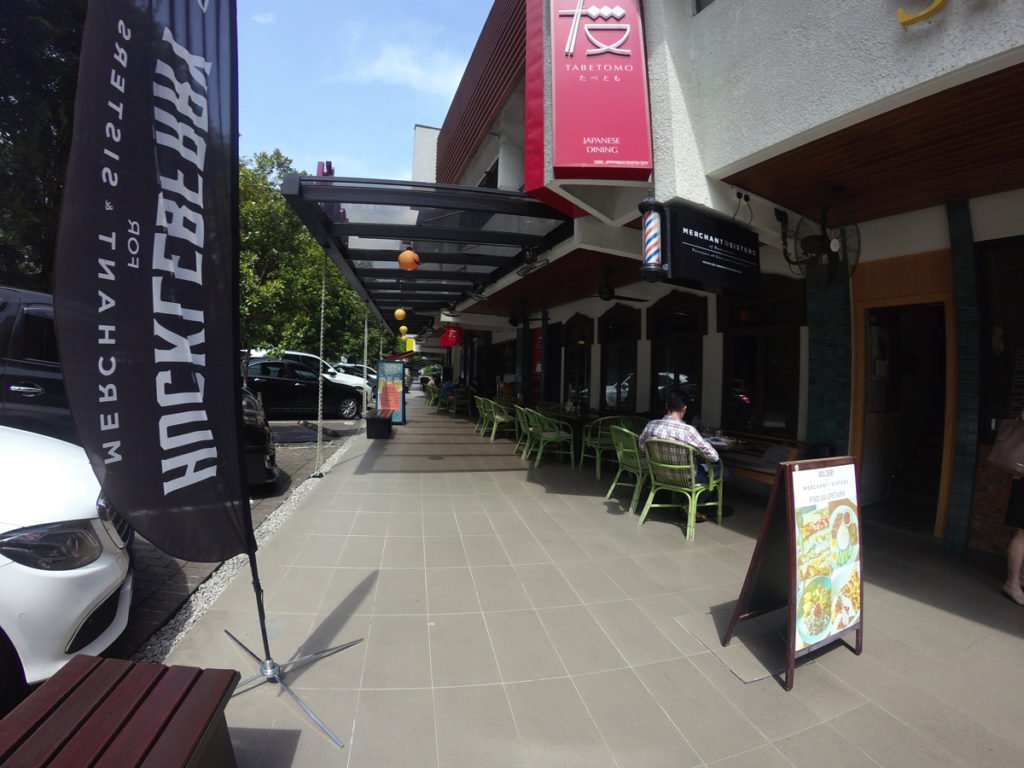
Overall, the video and image quality could fare better. I’d appreciate a better quality in tone, contrast and the ability to shoot in harsh or poor lighting without losing detail.


The camera also has a built-in Wi-Fi and Bluetooth to pair with external microphones or headsets, which is a handy feature.
Long-lasting battery
The Virb X’s removable 980mAh Li-polymer battery can go up to 2 hours’ use. When you charge the Virb, you’ll need a proprietary cable that attaches to the side of the Virb X. It’s a bummer, as you won’t be able to use a micro or mini USB cable.
Final words
Videographers who prioritise image quality would prefer the GoPro’s 4K, but the Virb X’s interactivity with Garmin’s list of ANT+ sensors is what makes the camera extremely fun to use. The ability to blend and overlay rich amounts of data remains groundbreaking even today and is likely to pave the way for the best action cams of the future.
Specs and details
Price: RM 1,399* when released
Dimensions (HxWxD): 3.0” x 1.6” x 1.4” (77.0 x 40.6 x 36.8 mm)
Weight: 5.35 oz (151.7 grams)
Sensor: 12.4 MP, 1/2.3″ CMOS
Video:
.mp4
1080p HD video: 30, 25 fps
960p HD video: 30, 25 fps
720p HD video: 60, 50, 30, 25 fps
480p (slow motion): 120 fps
Memory Slot: MircoSD
Display: Monochrome LCD 1” (25.4 mm) diagonal; 128 x 128
Connectivity:
Bluetooth: Yes (2.1 + EDR)
ANT+® compatible: Yes (remote and sensors)
Interface: USB 2.0
HDMI output: No
Wi-Fi streaming: Yes (802.11 bgn)