
Here’s more on profits. Spotify is not alone.
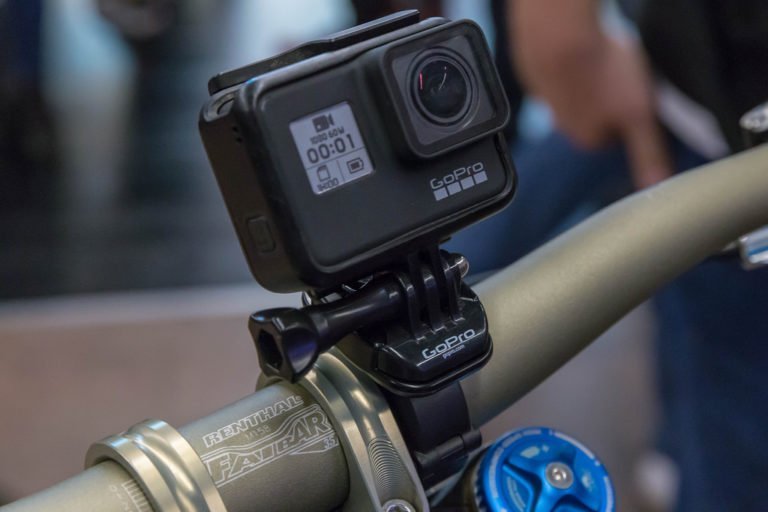
GoPro’s newest Hero 7 lineup of cameras has helped the camera maker turn its first quarterly profit since the third quarter of 2017, thanks to a strong holiday season.
GoPro pulled in US$377 million in revenue in the fourth quarter of last year, allowing for some US$32 million in profit.
This marks the second time GoPro has turned a profit since the third quarter of 2015, back before the company’s ill-fated attempt at entering the drone market.
The company also announced that it will move its US-bound camera production from China to Guadalajara, Mexico, in the second quarter of this year. The company announced in December that it was moving some production due to the ongoing trade war with China.
“We’re encouraged by the momentum,” GoPro CEO Nick Woodman said on a call with investors. “GoPro’s brand has never been stronger, our product never better, and we’re fired up for the year ahead.”
The Hero 7 Black was announced in September of last year. While it follows closely to the design of its two predecessors, the Hero 5 and Hero 6 Black, the 7 offered a number of internal improvements and new features.
GoPro had previously said that the Hero 7 Black was the company’s fastest-selling camera ever, and that momentum carried through the 2018 holiday season. Overall camera sales were up 20 per cent in the fourth quarter of 2018 compared to the year prior. For the whole year, GoPro’s camera sales were up 9 per cent compared to 2017, and total revenue was US$1.15 billion.
GoPro posted a US$94 million loss for the year, which is nearly half the US$163 million loss the company suffered in 2017.
GoPro started 2018 in a rough spot. The company had come off a 2017 holiday season that was worse than it predicted. Then GoPro turned right around and canceled its Karma drone, which resulted in layoffs of a few hundred people. At CES 2018, Woodman went on about exploring a sale of the company.
GoPro managed to trim its operating expenses to just under US$400 million for the year, and is now heading into a new year with a more lean headcount of 891 employees (the company had nearly 1,300 employees in 2017 even after some layoffs).