There is a misconception when we claim today’s youth are digitally savvy, no doubt they can be much more knowledgeable than baby boomers when it comes to using a smartphone or laptop, but there is more to it than just swiping and clicking when it boils down making a living.
During a recent survey conducted by Inti International University, it estimated that as of July this year the countries unemployment rate was 3.5% a record high since 2013. With the fact that almost 200,000 fresh graduates are unemployed, the university commissioned a survey between 316 employers and new graduates in Malaysia revealing a stark mismatch in employers – graduates competencies expectation.
With the most pressing dichotomy in expectation concerned digital literacy, where 30% of employers regarded it as the most essential competency needed for job performance while most graduates rated it as the least important competency at only 4%.
Speaking on the survey findings, Mr. Rohit Sharma, Chief Executive Officer of INTI International Universities and Colleges said, “This stark mismatch is worrying because digital literacy, which allows you to live, learn and work in a digital society, is one that needs to be taken seriously. If unaddressed, the graduates who believe– that they are well prepared for employment despite not being sufficiently digitally literate – will only add onto the already dire unemployment issue in our nation.”
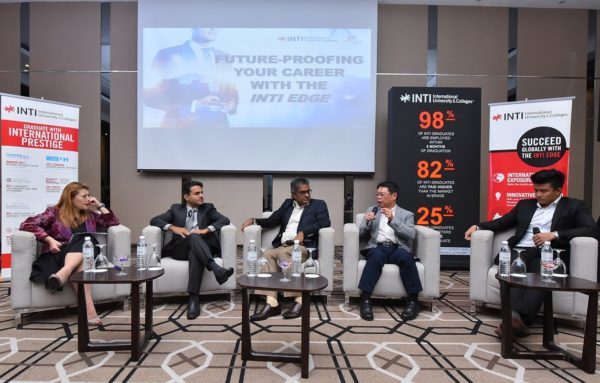
To further deliberate on the findings as well as discuss remedies that could improve the employment scene in Malaysia, a panel discussion was held alongside Sharma and industry partners.
In addressing the importance of digital literacy, Mr. Gopi Ganesalingam from MDEC said, “We live in a digital world today; this is highly reflected in the way businesses and industries are changing from the advent of technology. The biggest accommodation provider is offering more rooms than many of the largest hotel groups in the world without owning any rooms, and the world’s most popular taxi company actually owns no vehicles. These are all businesses made possible with digital technology and are those that are changing the way the respective industries offer products and services. If we do not begin educating our younger generation about the impact of digital literacy, they will be left behind.”
Another notable finding from the survey is that most graduates (29.5%) regarded communication skills as the most important differentiator while only 6.3% of employers saw it as a differentiating factor in evaluating an employee’s performance. Employers are beginning to raise the benchmark with most seeing communication skills as a given attribute rather than a discerning trait.
To address the disparities in the survey findings, INTI has introduced new Bachelor of Business programme with specific emphasis on key competencies like digital literacy, entrepreneurial mind set and communications.