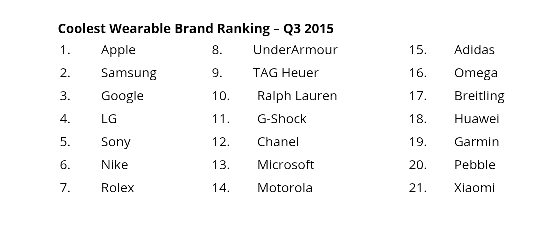
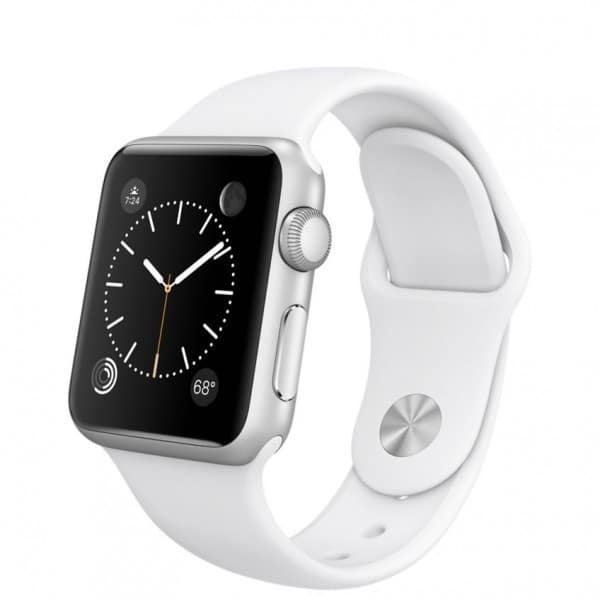
A survey conducted by Juniper Research revealed that the no.1 most appealing smartwatch for smartphone users is the one made by Apple. The study asked over 2,000 participants in the UK and the US to rank 21 brands as well as delved into their use of and attitudes towards wearable technology.
Juniper Research made a few other very intriguing discovery. First of all, despite many suggestions that wearables need to be more fashion oriented, non-technology brands actually polled lower. Fashion and sports brands are considered as lagging behind. Secondly, only 1 in 5 consumers would be willing to pay for more than US$175 for a wearable of any sort. This would probably explain the small amount of sales for Apple Watch despite being apparently very popular.
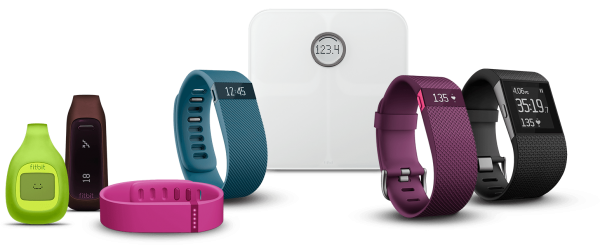
Thirdly, fitness devices seem to have an edge to it with a definite, clear use-case and purpose compared to other wearables. It still remains unclear whether a smartwatch would be just an accessory, a complemetary device to your smartphone or a genuine replacement. Since fitness devices like activity trackers from Fitbit are usually the least costly in the wearables market, it has won on value for many users.
The study also discovered that the wearables market is heading towards a duopoly between Apple and Samsung with over 75% of the respondents preferring either brands.
More importantly, the poll showed that battery life is a relatively unimportant factor when buying a smartwatch or band. Only 4% of the respondents said it had deterred them from buying the device. Samsung and LG should take note on this finding with its planned launch of the new slim, longer lasting batteries aimed to increase the sales of their wearables.
Price is always key. Value is always important to tech savvy users. Few people want to invest in a technology that they will hardly make use of. The wearables uptake in Malaysia has been slow and it doesn’t help that its price, combined with its use-case, makes it less affordable to Malaysians. Perhaps this study will change the direction that the wearables market is currently headed towards.