Acer’s IFA 2026 showcase was less about a single flagship launch and more about how far the company is stretching its technology portfolio, with new AI machines, gaming hardware, ultra-high-refresh displays, repairable laptops, tablets, connectivity devices, smart mobility products and even the return of Packard Bell.
The announcements were made at Acer’s next@acer global press conference in Berlin on September 2, with several products aimed at emerging areas such as local AI computing, agentic AI, portable productivity and hybrid work.
Acer bets big on local and agentic AI
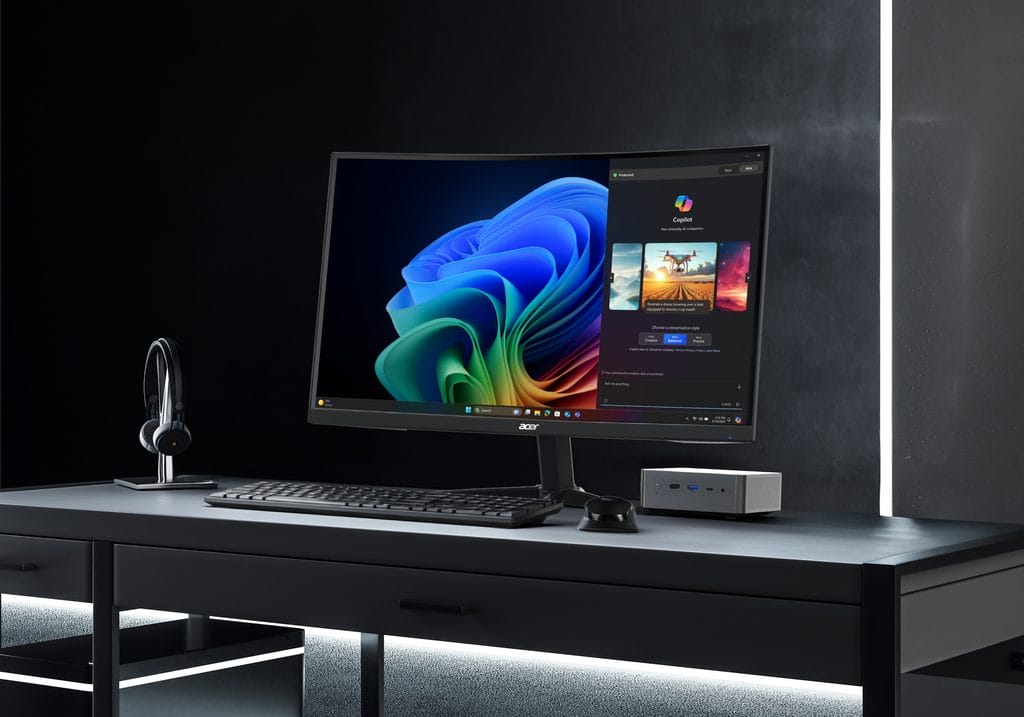
One of the more significant announcements was the Veriton RI110 AI Mini Workstation, a 0.63kg compact machine designed to run AI workloads locally.
It can be configured with an Intel Core Ultra X7 358H processor, Intel Arc B390 graphics, up to 96GB of LPDDR5x memory and up to 4TB of PCIe Gen4 SSD storage. Acer says the system can support AI models of up to 120 billion parameters.
The mini workstation is also built around what Acer calls hybrid agentic AI, allowing users to deploy their own AI agents locally. Its Acer Qubi Claw platform includes skills for online research, travel planning and audio transcription and translation, with tasks able to be scheduled to run autonomously.
Acer is also showcasing a compact desktop design powered by NVIDIA’s RTX Spark superchip, aimed at local AI agents, creators, developers and gamers. The platform combines up to 6,144 Blackwell CUDA cores, a 20-core NVIDIA Grace CPU, up to 128GB of unified memory and up to one petaflop of AI compute.
Gaming gets a 1,000Hz monitor and a smaller handheld
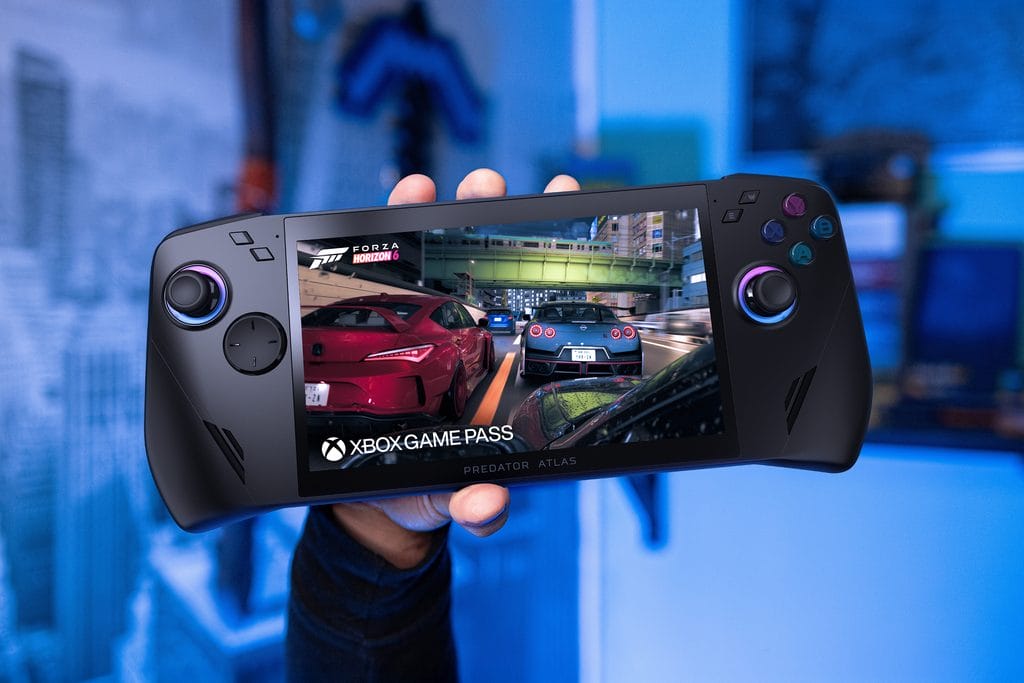
Gaming remains a major part of Acer’s portfolio, led by the Predator Atlas 7, a 7-inch Windows gaming handheld designed to offer the performance of Acer’s larger Atlas 8 in a smaller form factor.
The device comes with a 120Hz Full HD display, up to Intel Arc G3 Extreme processing and up to Intel Arc B390 graphics, alongside an 80Wh battery. Acer is also offering TMR joysticks and Hall-effect triggers on the handheld, while its cooling system combines two fans including a Predator AeroBlade metal fan.
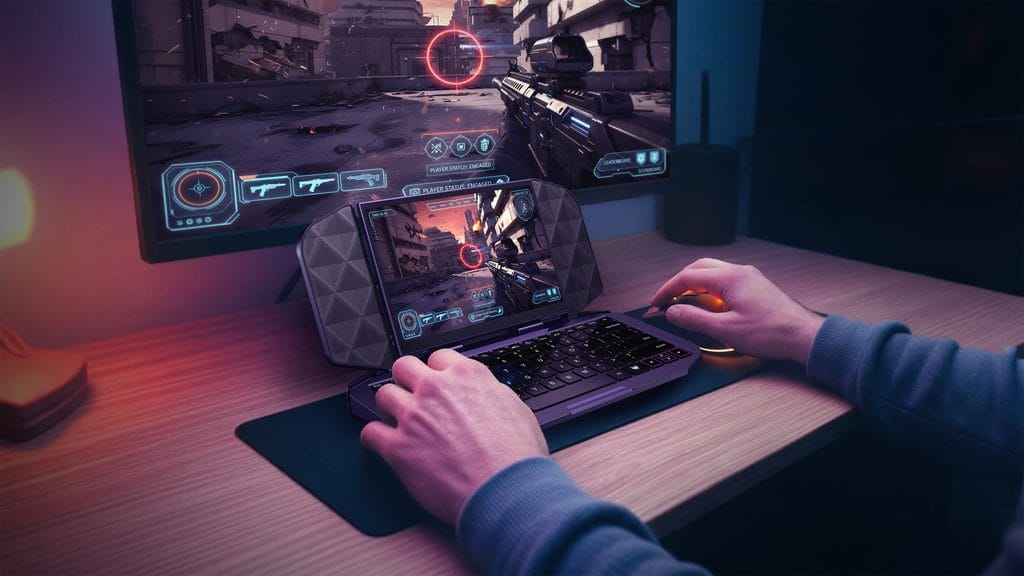
Alongside it, Acer showed Project DualPlay Mini, a concept device that combines an 8-inch gaming handheld with a built-in physical keyboard. The flip-and-swivel design is intended to allow the device to switch between handheld gaming, laptop-style productivity and external-display use.
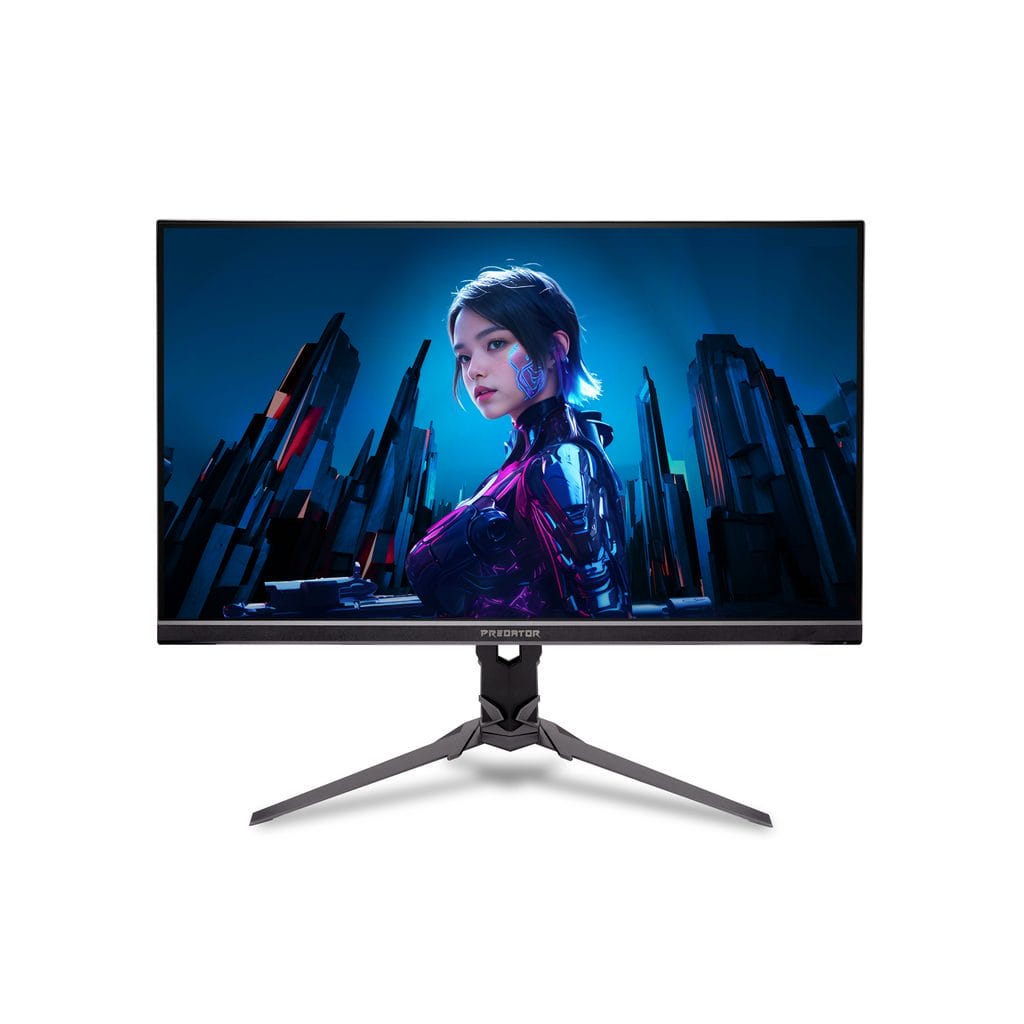
On the desktop, Acer pushed display specifications even further with the Predator XB253Q U1, a 24.5-inch Full HD gaming monitor with a headline 1,000Hz refresh rate.
The monitor is joined by a broader display line-up including QD-OLED, 5K, Mini LED and dual-format refresh-rate models, with Acer targeting both gamers and professional creators.
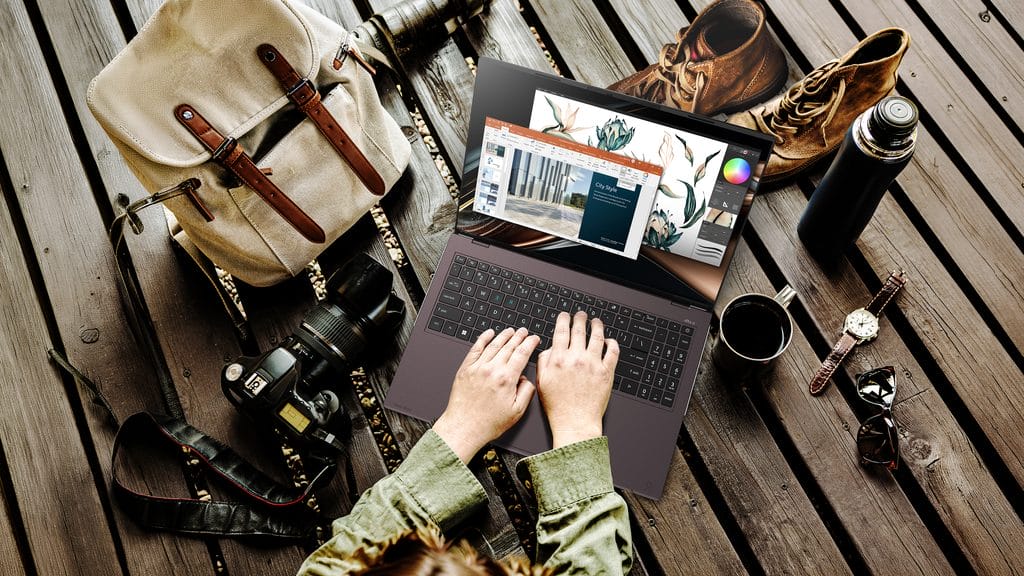
Acer puts repairability into the Vero 16
Sustainability also featured prominently with the new Acer Vero 16, which focuses on repairability alongside AI performance.
The laptop uses recycled and low-carbon materials, including a combination of post-industrial recycled and low-carbon aluminium, while its bottom cover uses post-consumer recycled plastic.
More importantly, Acer has designed the machine to be easier to repair. The bottom cover can be accessed through a tool-free latch, while the device carries an engraved visual repair guide. The battery and SSD are user-replaceable, while the processor is designed to support upgrades for at least two generations.
Under the hood, the Vero 16 can feature an Intel Core Ultra X9 processor 388H with up to 180 platform TOPS and Copilot+ PC capabilities.
“Sustainability should be built into every stage of a product’s lifecycle, from raw materials all the way to packaging,” said James Lin, General Manager, Notebooks, Acer Inc.
“The Acer Vero 16 embodies this philosophy through its thoughtfully sourced materials and repairability-driven design, while delivering the AI-powered performance consumers expect from a modern PC.”
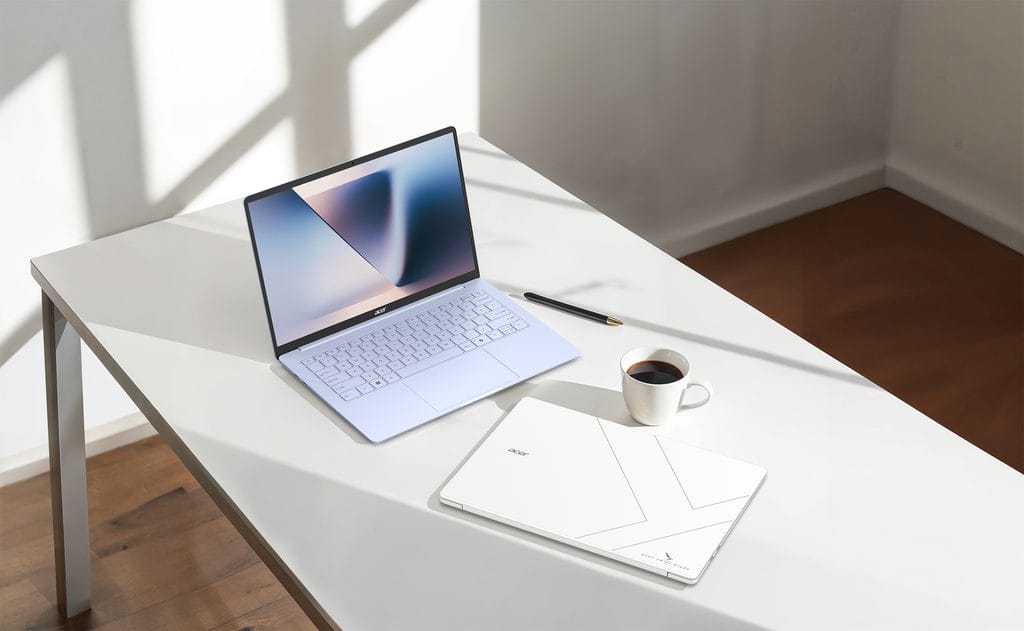
Acer goes after ultra-portable computing
For users prioritising portability, Acer introduced the Swift Blade 14, weighing just 799g and measuring as thin as 12.9mm.
The 14-inch laptop can be configured with an Intel Core 7 processor 350, up to 12GB of LPDDR5 memory and up to 1TB of storage, with a 3K OLED display option.

It was joined by the 16-inch Swift Air 16, which measures 13.3mm thick and weighs 1.5kg. It features Intel Core 7 processing, up to 16GB of LPDDR5x memory and a 70Wh battery that can charge to 50% in 30 minutes.
Acer also introduced the Aspire G 3D 16, bringing its SpatialLabs glasses-free 3D technology to an Aspire-branded laptop. The 16-inch machine uses dual eye-tracking cameras and can switch its 3,840 x 2,400 display into a 3D mode with a 1,920 x 2,400 resolution.
The system is powered by AMD Ryzen AI Max+ 395 with integrated Radeon 8060S graphics and can be configured with up to 128GB of memory and 2TB of storage.
Triple screens and paper-like displays target hybrid workers
Acer is also expanding beyond conventional laptop displays.
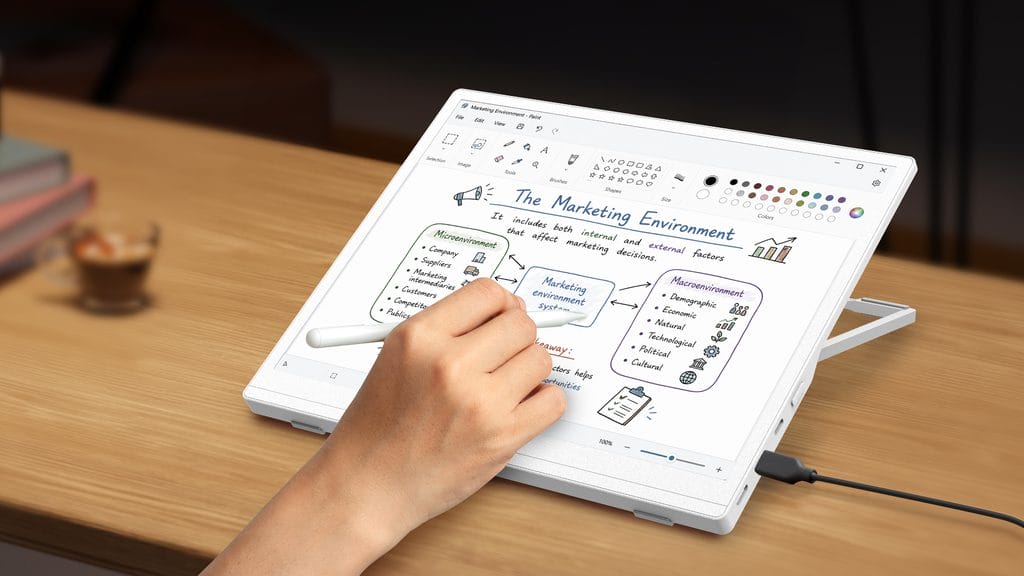
The EP130K ePaper monitor is designed around a paper-like viewing experience, offering a glare-free screen, touch and stylus support and resolutions of up to 3,200 x 2,400. It can operate in colour or black-and-white modes and uses a single USB-C connection for power.
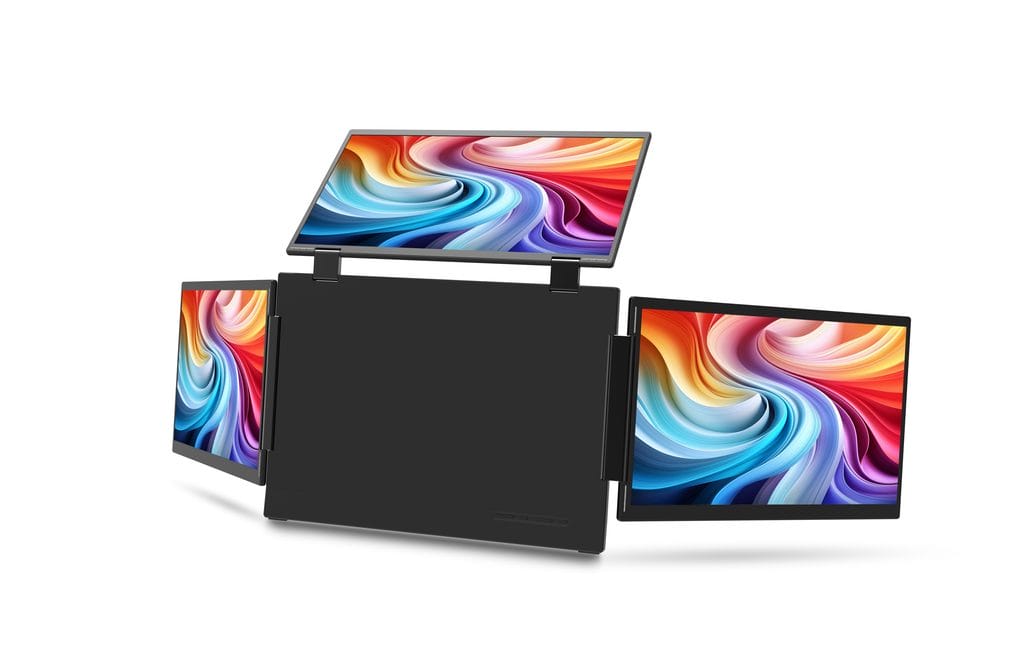
Meanwhile, the PD163Q P3 turns one laptop connection into a three-screen workstation, using three foldable 15.6-inch Full HD IPS displays. Acer says the setup can provide up to four displays when paired with a laptop.
From PCs to scooters and 5G
Acer’s portfolio expansion also extends well beyond computing.
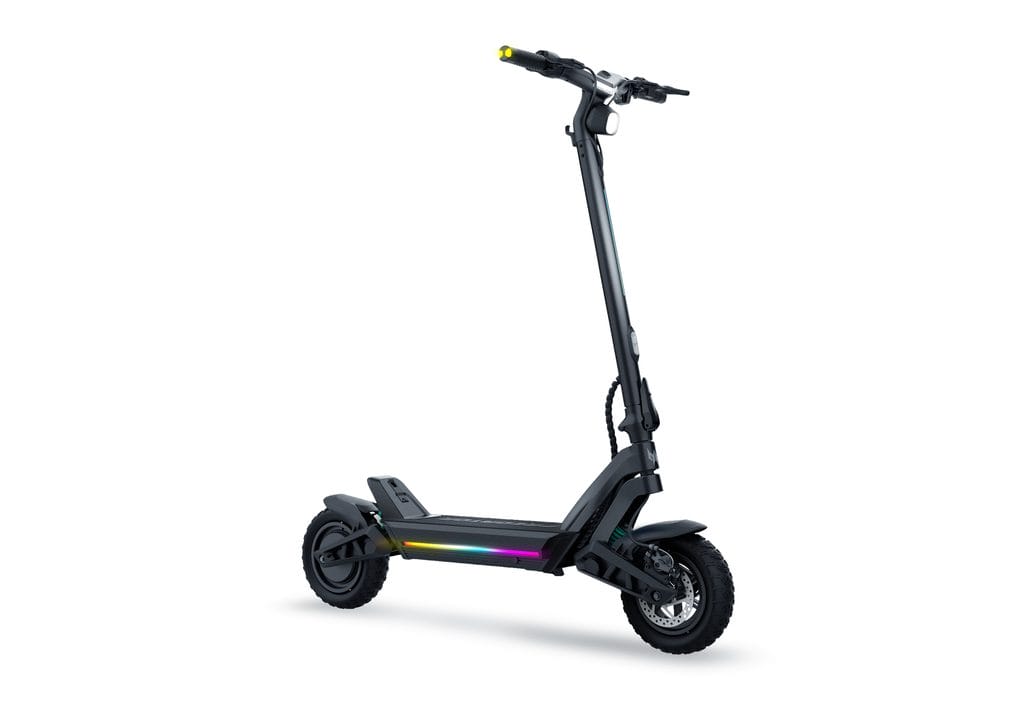
The Predator ES Thunder Pro becomes the company’s most powerful Predator e-scooter, using a 500W rear-wheel-drive motor capable of producing up to 1,600W peak output and 32Nm of torque. It has a claimed range of up to 70km, off-road tyres, suspension and traction control.
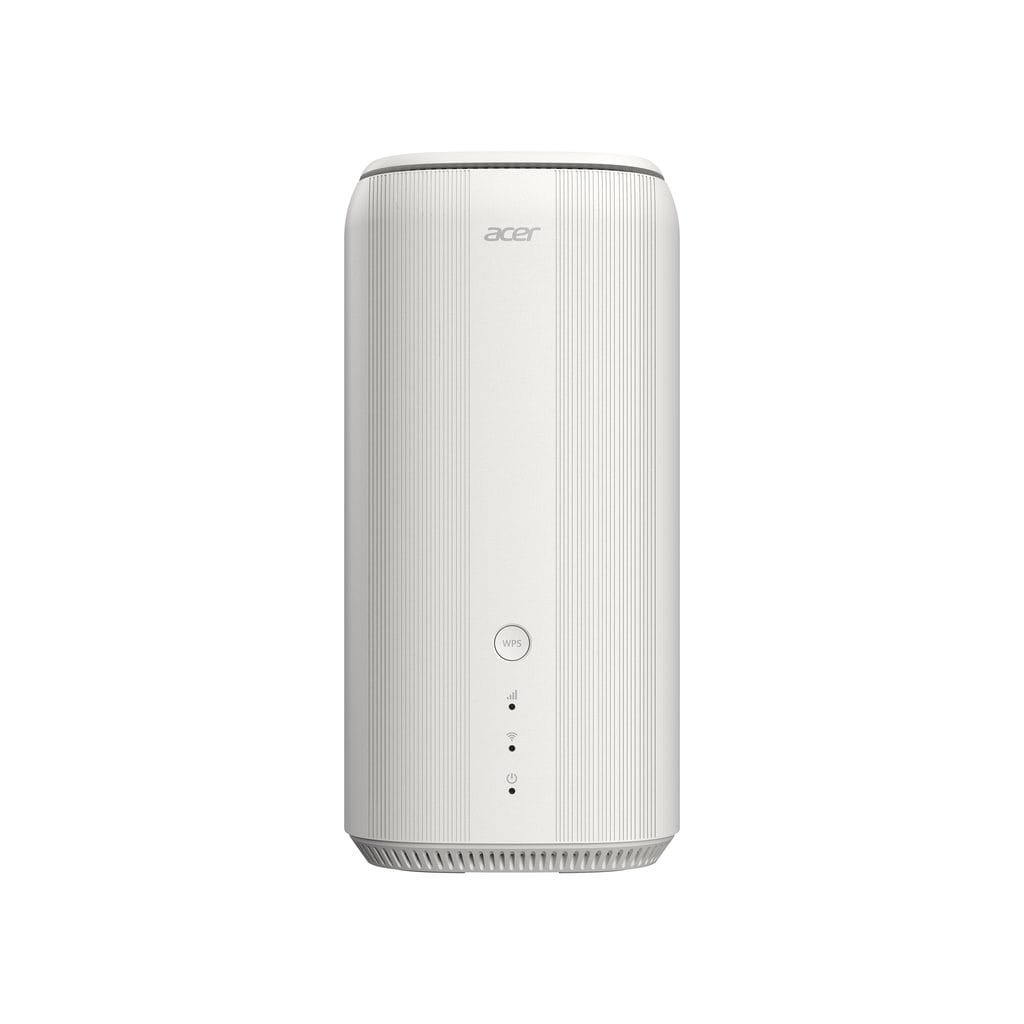
For connectivity, Acer introduced the Connect X6ES, a 5G router with Wi-Fi 6E and intelligent failover between 5G and wired WAN connections.
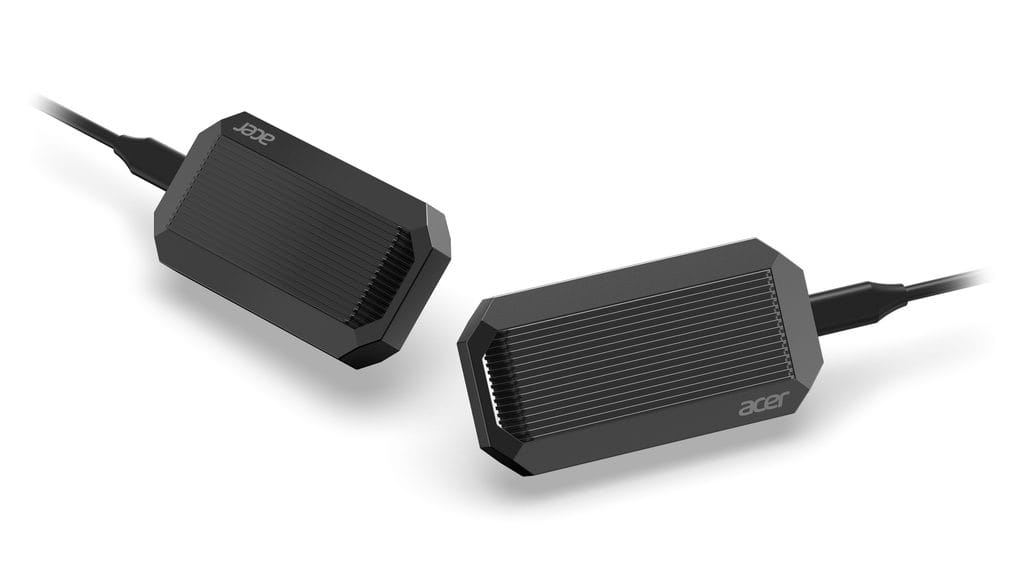
The Connect D5P meanwhile is a plug-and-play 5G dongle supporting eSIM, nano SIM and vSIM, with claimed download speeds of up to 3.27Gbps on 5G standalone networks.
Acer expands into tablets, projectors and lifestyle tech
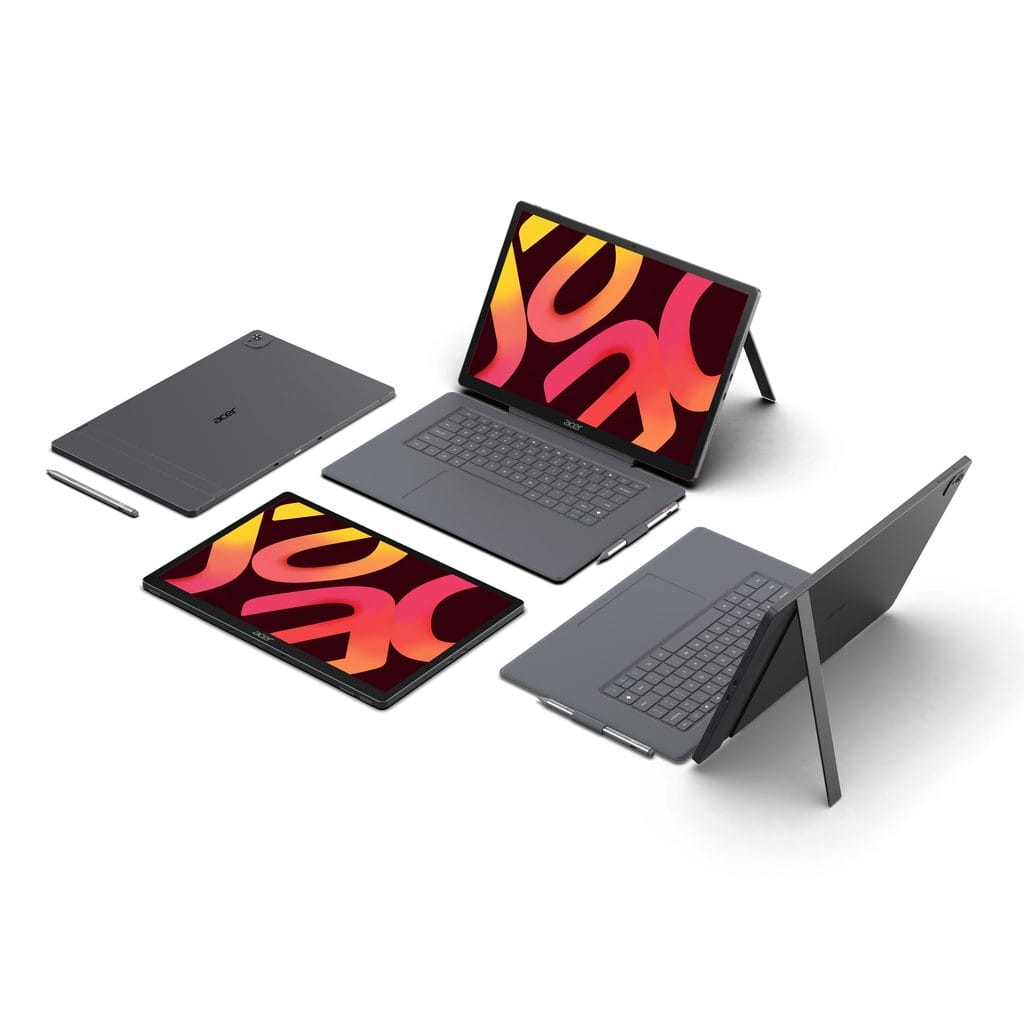
The company is also refreshing its tablet portfolio with the 16-inch Iconia X16, alongside updated 14-inch Iconia X14, 16-inch Iconia A16 and 14-inch Iconia A14 models.
The X-series tablets use OLED displays, MediaTek Helio G80 processors and Android 16, while both the X and A-series models feature dual USB-C ports.
Acer’s C350e portable projector adds another layer to the ecosystem, combining Full HD projection with an 8,000 LED-lumen light source, a swivelling stand and an AI Badge that doubles as a detachable remote.
Packard Bell returns after 100 years
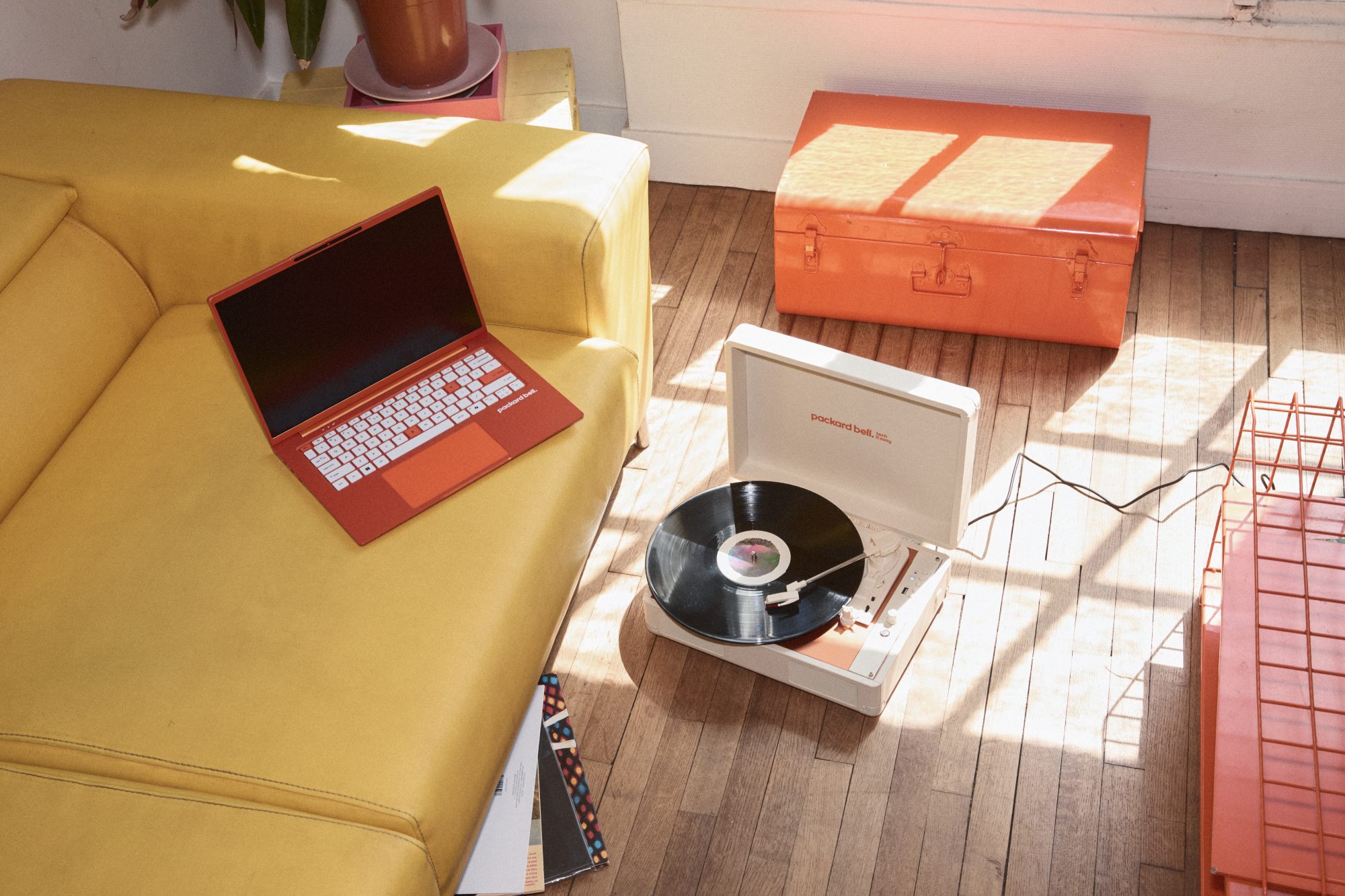

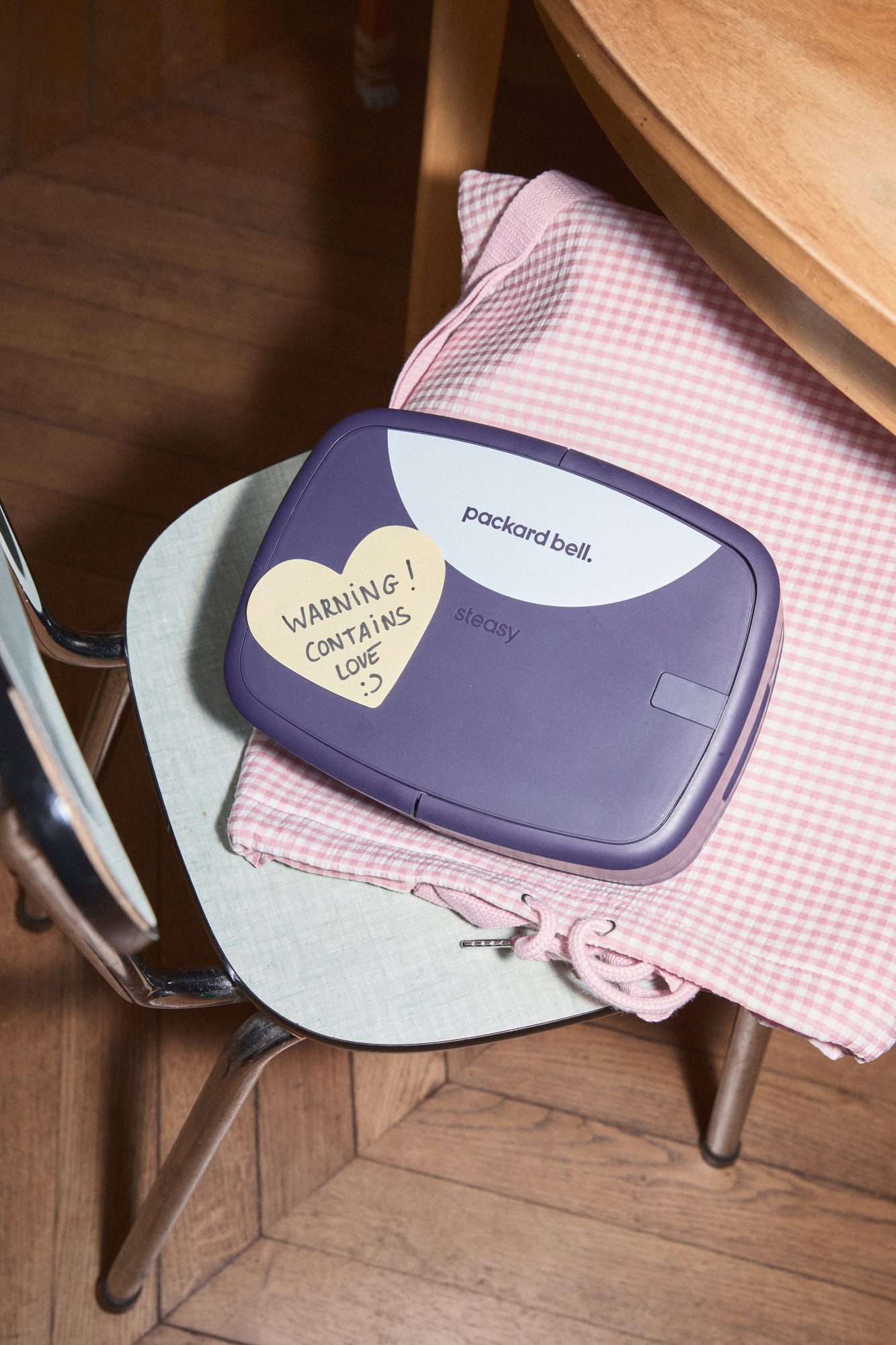

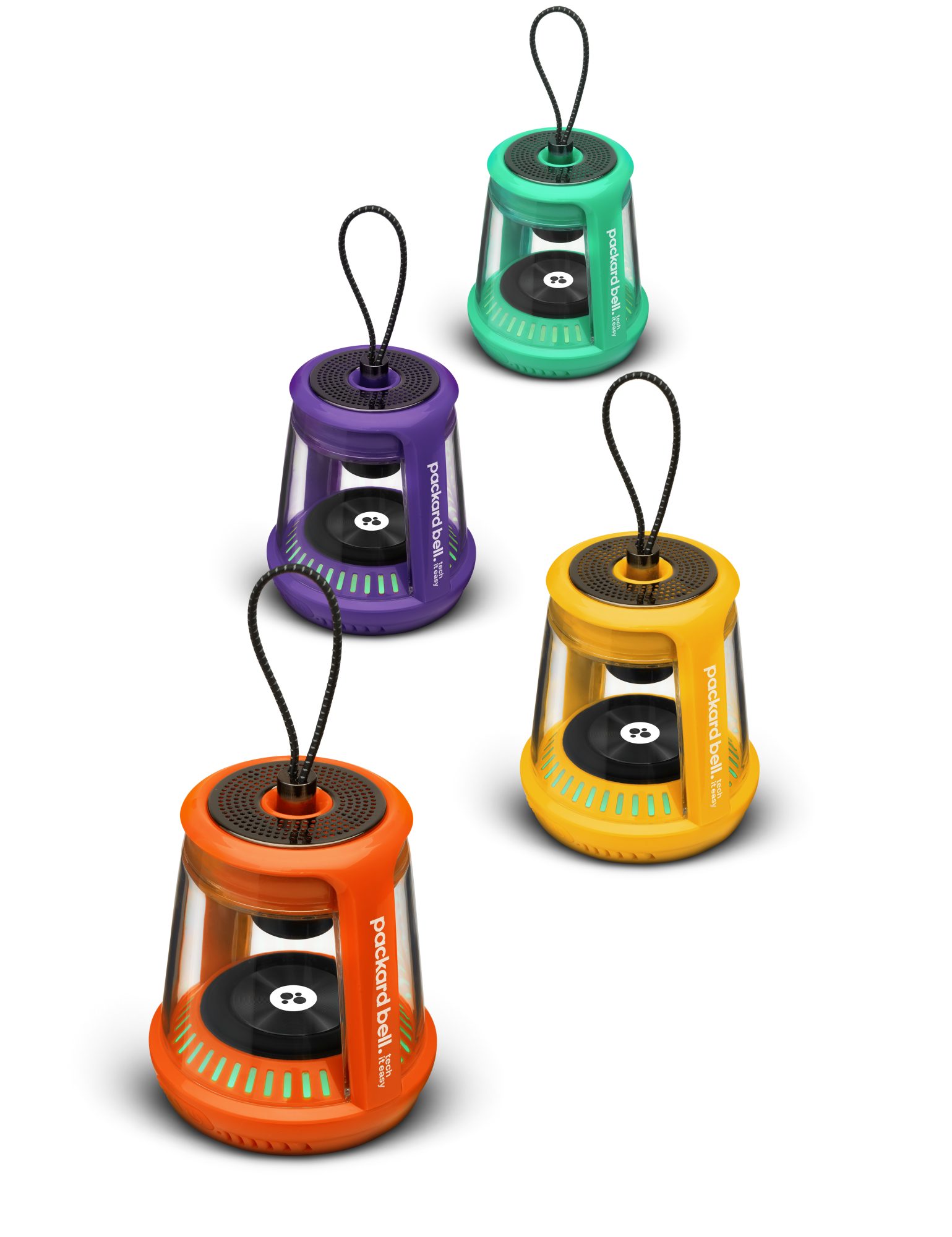

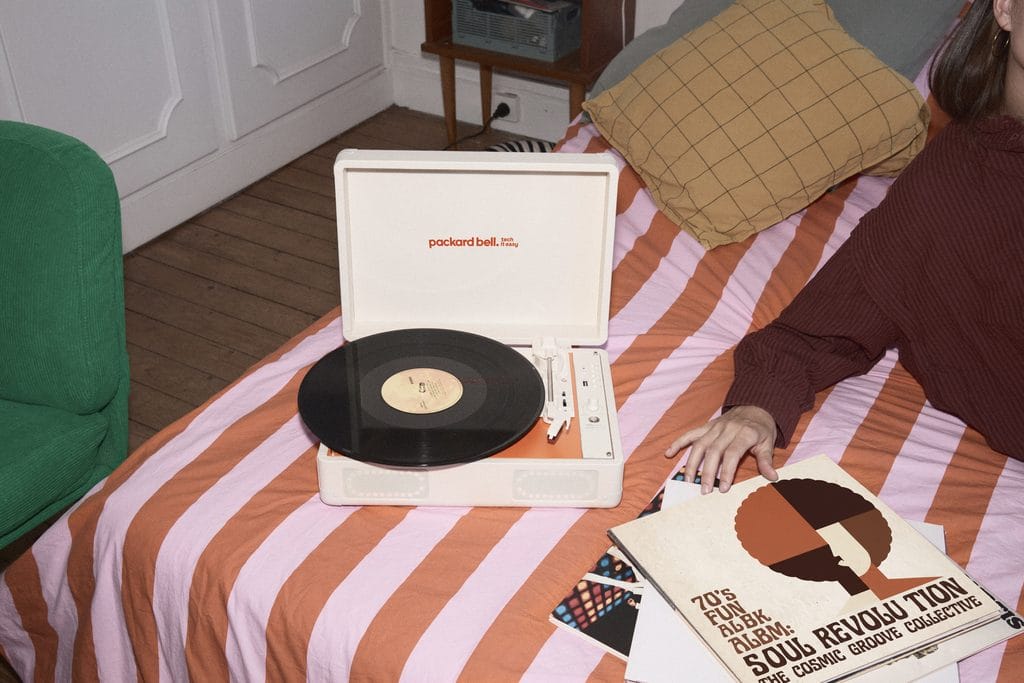
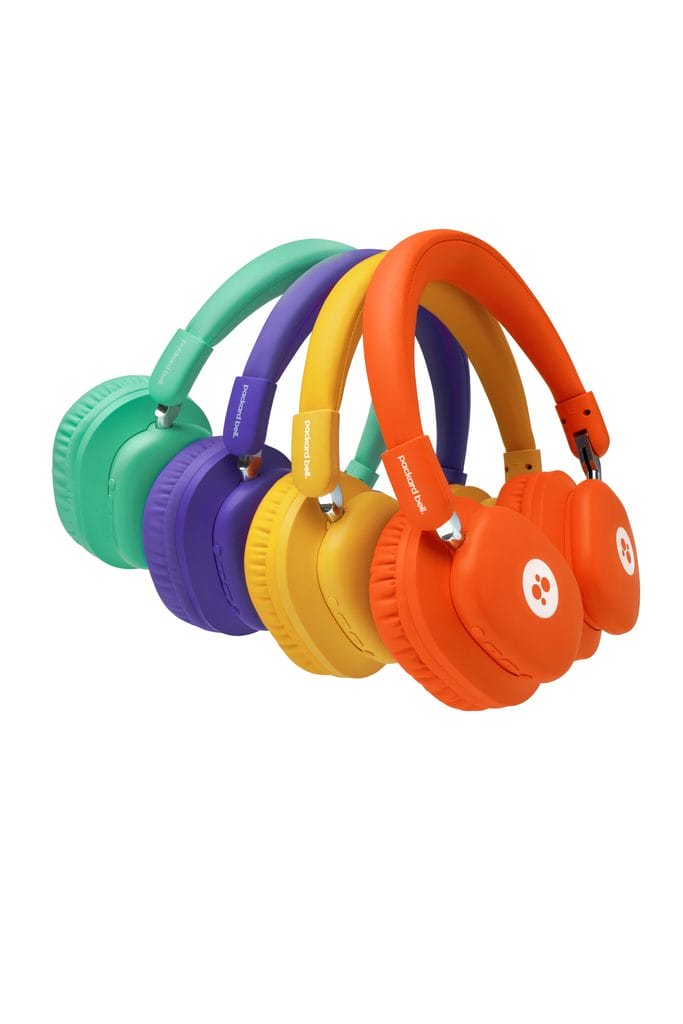
Perhaps the most unexpected announcement was the return of Packard Bell, which Acer Group is relaunching as a lifestyle technology brand as it marks its 100th anniversary.
The revived brand will operate under a simpler “Tech it easy” proposition, with its first collection led by the 14.5-inch DotBook laptop.
The wider range includes a suitcase-style vinyl turntable called DotLoop, DotTune speakers, DotLine 4G feature phones, DotLook audio glasses, DotShine ring lights, DotCombo keyboard and mouse sets and DotBass headphones.
Acer is also partnering with Steasy on a connected mini-steamer, marking Packard Bell’s move into products beyond conventional consumer electronics.
“Celebrating our 100th anniversary is the right moment to go back to our roots. People need technology that helps them study, work, and stay in touch, all at a fair price,” said Valerie Piau, EMEA Vice President, Acer Europe SA.
“That is what ‘Tech it easy’ means, our signature focus on keeping things simple.”
A much bigger Acer ecosystem
Taken together, Acer’s IFA 2026 announcements show a company increasingly moving beyond the traditional laptop and desktop market.
AI is clearly at the centre of the push, particularly with compact local-computing systems such as the Veriton RI110 and RTX Spark platform. At the same time, Acer is expanding its gaming range, experimenting with new display formats, making repairability a bigger part of its PC strategy and pushing further into mobility, connectivity and lifestyle products.
The result is a portfolio that looks considerably broader than Acer’s traditional PC identity, with the company seemingly betting that the next stage of consumer technology will be less about one device and more about an ecosystem spanning AI, gaming, work, entertainment and everyday life.