As the nation evolves, the infrastructure, technology, and landscape of the country evolves as well. And as you can tell by now, we’re rapidly approaching a time where we want things to be as efficient and convenient as we possibly can. Therefore, we’ve been on the path to getting there, especially with fintech, and the rise of e–Wallets.
The amount of e–Wallets and digital payment systems have skyrocketed the past year, with basically any and every one trying to get their foot in the door, regardless of what their competency is.
You know the ones I’m talking about. Touch n’ Go e-Wallet, GoPayZ, Boost, MAE, Razer Pay, and a plethora of others. These are some of the more prominent ones in the country, and we got a chance to speak to Chief Strategy Officer of Razer, Li Meng Lee, about the landscape of Malaysia’s digitisation, and why the gaming industry behemoths have decided to play in Malaysia.

One of the new boys on the block, is of course, Razer Pay. In February 2019, Razer opened up their first office in Malaysia, to bolster e-Sports progress in the region and Malaysia – as well as to establish their E-Wallet, Razer Pay. Razer establishing their office in Malaysia is quite a big deal, considering they only have 15 offices worldwide, and Malaysia’s is their second largest workforce, the first being Singapore. There are around 300 of the Razer team here, making moves and efforts in various spaces.
Them coming here, and making the Malaysia office the 2nd biggest they have, was an indication that something was right. Something about Malaysia, and the region was right for them to get in now. And that’s no surprise, considering the advancements we’ve made in recent years, and this affirmation, is more important than we’d like to think. Here’s the reasoning from Li Meng Lee, on why here, why South East Asia, and why now.
“The reason why Southeast Asia and Malaysia is the first place we launched our e-Wallet, is because the market here is great. The potential is there. Yes, there’s competition, but I think there’s enough space for everybody to compete in. I think the government’s support is very important, and the government here has been very forward thinking in helping and pushing and getting us involved.
“And to be honest, for fintech to actually advance, you really do need to work very closely with the government. A lot of people think that ‘Hey I’m a disruptor, I’ll come in and disrupt’. But if you come in and disrupt normal things and products, it’s fine, but if you want to disrupt something when it’s dollars and cents, or financial systems, you better work with the government. You need the endorsement of the government and when we wanted to come into Malaysia, that was the first thing we did. We went to talk to the government.” he said.
Our government pushing for the acceleration and growth of tech and ecosystems are favourable. It gives you a boost of confidence, knowing that things are going right, but we’re not at the stage of mass use yet. We still have issues in certain areas that are hindering us to becoming a totally digital, cashless society.
Li highlighted two key points in the adoption of fintech, and what was crucial for the ecosystem to have before deciding where to come in. The first is governmental support. Without the support of the government, an e-Wallet, or any form of financial system would fail. Which makes sense, and that’s one of the major differentiators that sets Malaysia apart, and why Razer decided to come here.
Another thing that Lee mentions is that Malaysia is suitable because of the average age population. Considering that in Malaysia and Southeast Asia, the youth demographics show that the average age of the population are people in their 20’s. These are the kind of people who would be susceptible to change, and who would embrace new technologies.

“Because of the advancement by the government and support for broadband, and going towards 5G, Southeast Asia actually becomes very interesting. A lot of people complain that ‘ahh 4G sucks here’. But if you look at some of the telcos, they may be nimble enough to not have invested enough in 4G. But with the money that comes in, they can quickly accelerate 5G’s growth.” he says.
“So the entirety of Southeast Asia is interesting right now. Another reason, is because of the youth demographics. If you look at Malaysia, Philippines and Vietnam, the average age of the people is now in their 20’s. And a lot of these guys spend most of their time on a device. Whether it’s a PC or mobile, they even get their news from the PC or mobile, they don’t open up newspapers.”
 Now with the climate being set, there seems to be nothing stopping us from going cashless, and according Bank Negara Malaysia (BNM), use of e-Wallets and digital payments are on the rise. Check out the stats underlined by Encik Adnan Zaylani Mohamad Zahid, Assistant Governor of BNM;
“Malaysia’s progress in migrating to e-payments has been promising. In less than a decade since 2011, we have reduced cheque usage by half to 101 million in 2018. E-payment acceptance points such as point-of-sale (POS) terminals have more than doubled to 16 terminals per thousand inhabitants in 2018. More merchants are also accepting QR payments with over 400,000 registrations recorded to-date. Meanwhile, e-payment transactions have almost tripled to 125 transactions per capita in 2018.
“At the same time, new business models are emerging.We estimate that 40% of fintechs in Malaysia are in payments or payment-related services – making it the largest segment. The e-wallet space has been particularly vibrant, contributing to rapid growth in mobile payments. From 2017 to 2018, mobile payment transaction volume had increased twenty-fold from just below two million transactions to over 34 million transactions within a year.” he concluded.

While all that sounds fine and dandy, there are still some problems with the implementation. Firstly, the thing we have to consider is saturation of the market. With over-saturation, and the sheer amount of companies getting into digital payments and making their own e-Wallets, we have to ask the question – when is there too much of a good thing? Because the landscape as it stands, there are too many out there, and it’s too inconvenient to keep track of what’s what, imagine going to a cafe you love or the convenience store, but seeing they don’t accept Razer Pay, just Boost.

It creates a whole other conundrum that could avert people to adopting the new tech. There has to be a centralised, widely accepted e-Wallet, for this to work. Or at least the framework of one, to even begin considering a fully digitised, cashless society.
Right now it’s new, it’s fresh, so everyone is going to want a stake in the game. But Li Meng Lee, feels it should be otherwise.
“The fastest way to do this is to have a very strong collective movement at the top. Let’s be honest, why did Alipay and Wechat dominate digital payments in China?
“Because the government told the telcos ‘do what you do best’, stay investing in the infrastructure and bring the best telecommunications experience you can. Forget about doing financial services and all that. Banks, don’t do fintech. Just lend money and leave the tech to the tech guys. And that’s why they were able to grow so fast, and so wide.
“But when you look at Southeast Asia, every country, every local bank, even Maybank has their own wallet, then you got GoPayZ that U Mobile just launched, and Boost as well. So telcos are doing e-Wallets, banks are doing e-Wallets, you have the tech guys like us doing e-Wallets, so everybody is fighting against each other.”
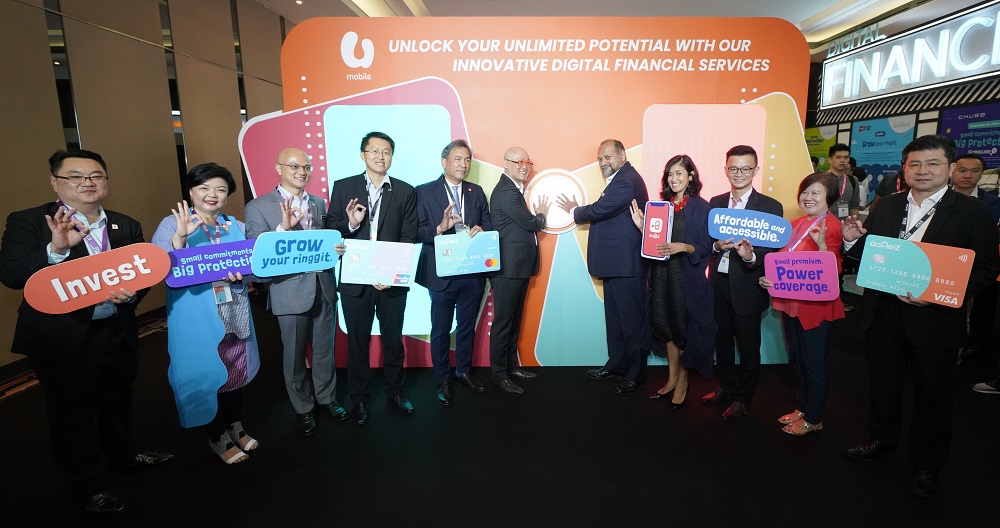
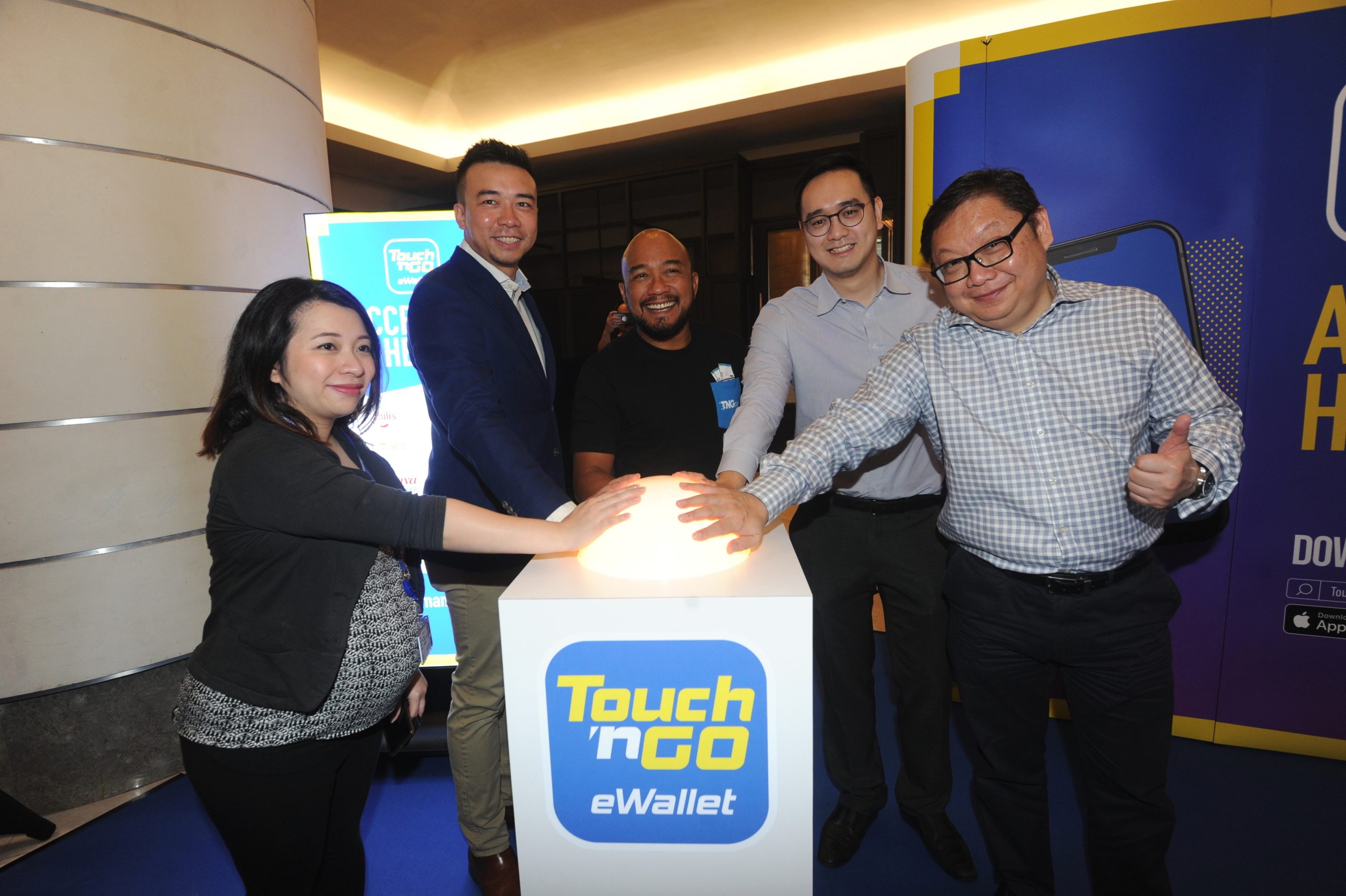
This seems to be the biggest issue in the fintech space in Malaysia now. But it isn’t entirely a bad thing actually, as Lee goes on to say. It could be beneficial in the long run for e-Wallets in general.
“But like I said, because there’s no central government push. I actually don’t falter from competition, because I see them as helping me educate the market. If I were alone, unless I have billions of dollars, even if I’m given the clear path to do it – I would need a nonstop supply of funds to grow this myself.
“Short of the government support or myself funding the entire ecosystem, the fact that there are other e-Wallets is great. They have to do their own marketing, they spend their marketing spend, they help me get to users. But the question then is how long can they last?”
It all seems to have the makings of a big fight amongst the e-wallets and fintech players in Malaysia.
While they might have their differences now, it’s only a matter of time till one comes out on top. However, we shouldn’t take this negatively. Eventually there should be a centralised push on who Malaysia’s ‘e-Wallet’ will be, but until then, we’ve got to sit and watch them slug it out. Because after all, we, the people, will be the ones with most to gain from a truly digital, cashless society.