As the Cloud becomes more pervasive, businesses are now quick to jump onto the digital transformation bandwagon. Often times, they don’t consider what will work best for them and go with whatever they can get their hands on. For Amazon Web Services (AWS), that is a major mis-step for companies. 
Before any organisation considers embarking on their digital transformation, they must consider the motivating factors to take that faithful leap. While there are various market understandings and leanings to consider, AWS believes it’s more about knowing the basics. Top-tiers among current trends include Cloud, Artificial Intelligence (AI), and Internet of Things (IoT).
“When businesses consider their digital transformation process, five things must always be top-of-mind. They are: agility, cost savings, elasticity, breadth of functionalities, and rate of deployment. These factors have always been critical for businesses,” says Michael Garcia, Senior Technical Program Manager, PMCS, AWS IoT.
Extending Scopes
The points Garcia make are not new for AWS; after all, the Cloud innovator has been engaging businesses that are making the switch to digital. Of the five, the most important are agility and creating efficiencies on costings and scaling. Client examples that Garcia point to – Trimble, Yanmar, Stanley Black & Decker, and Nokia – are already accelerating their digitisation journey. Of course, AWS IoT services are the ones these organisations are using to jump-start their efforts.
“Efforts from these companies confirm that Cloud Computing services, and IoT along with related solutions, are in high demand. AWS, discovering this need early on, is one of the early-movers in this space. As is, we now offer seven AWS IoT services – out of the 90 or so that AWS offers as a whole,” Garcia adds.
Although there are businesses that engage AWS IoT to empower their digital transformation, even more are still in the dark. For Garcia, this is a major challenge that many solutions providers are still trying to overcome. “It’s encouraging to see some organisations making huge progress with our offerings, making them more agile; these are the customers that we believe are able to react quickly. This is applicable to cost savings, scaling, and role expansion. However, it’s unfortunate that many businesses don’t have the visibility to engage these next-gen trends,” he notes.
Connected Advantage
What Garcia is referring to is the ever-present challenge that companies must deal with – being up-to-date with the times. In short, staying relevant. Understanding the data in general and what it can be used for, especially with IoT, is something AWS has been championing. According to Garcia, that is the end goal of Big Data Analytics – to get a better oversight and, with it, make decisive choices.
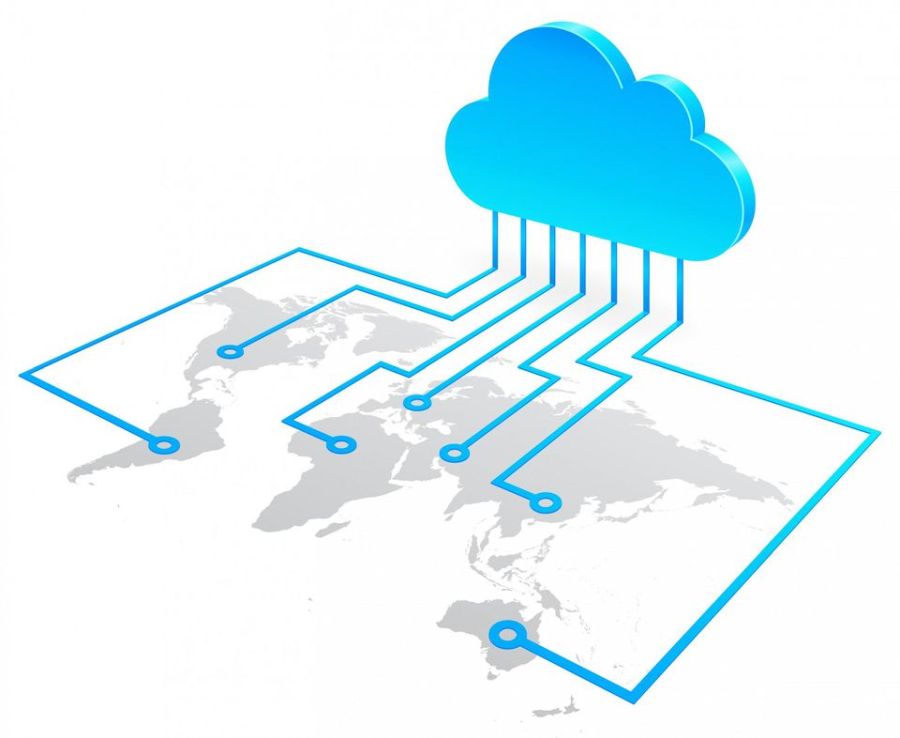
“From the Edge to Cloud, there is a need to track, manage, and process the data from all these points. Simply put, it is the entire operations pipeline. Having better insights means being able to effectively optimise operational processes and expenses. With our IoT capabilities, our clients are able to achieve these progressive updates. Of course, they are able to raise their revenues as well,” Garcia adds.
Since IoT enforces and engages via continuous connectivity between devices, does it affect other ICT trends? In many ways, it does. Garcia alludes to Machine Learning and how it is empowering devices at the Edge and making them smarter. Providing seamless user interactivity is just the beginning – next-gen innovations will enable smarter devices to incorporate behavioural tracking; this will create and determine pre-emptive results.
Proactive Push
Can seamless and smarter inter-connectivity among device and services spark digital transformation? Not directly, though it will act as a primary enabler. The push back of data will become more proactive as Edge Devices come online and start empowering company operations.

“Of the seven services AWS IoT offers, two are device related (Things); the other five are Cloud-based (On-Demand / Off- or On-Site). The device related systems are the most progressive as they’re the ones enabling these age-old systems in place. If anything, businesses must quickly learn that there is a need to look beyond addressing local demands,” Garcia shares.
As the world continues its pursue of IoT innovations, it’s obvious that these next-gen trends will become market drivers. It’s no longer ‘What if’ as these solutions and services are immediately accessible; instead, businesses should be asking: when.