In a blink of an eye, it is now December. Christmas is approaching and soon after that, it’ll be New Years and we’ll be welcoming 2018 with open arms (to a certain extent.) As 2017 is about to close, we will be looking back at the year and what it has done to the world of technology. Last year, we saw the rise of dual-camera smartphones. This year, it was all about the bezels.
Bring on the Bezel
For years now, science fiction novels and movies focusing on futuristic technologies have painted smartphones as rectangular-shaped devices without any borders or bezels. Some even adopt an all-glass approach, much like Black Mirror’s approach in its second season opener, “Be Right Back”, which debuted in 2013.
The idea of bezel-less displays and such have been around the block for quite some time now. But it’s one thing to put pen to paper and talk about it, and it’s another to develop and manufacture it.
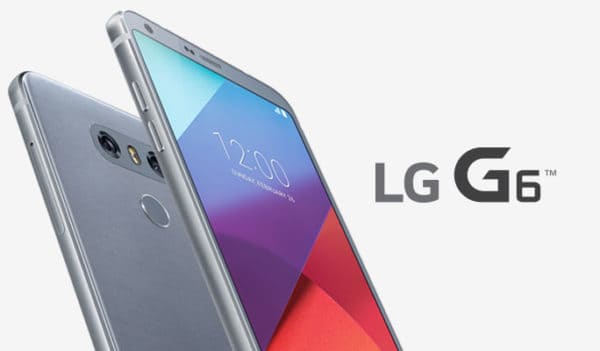
However, 2017 saw a huge rise in technological advancement in terms of making what we see in movies come to life. It was in the month of February 2017, LG launched its then-current flagship, the LG G6 with a near bezel-less display aided with a thin forehead and chin. The 5.7-inch smartphone came with an unconventional at the time 18:9 aspect ratio, something many of us weren’t used to seeing, until now…
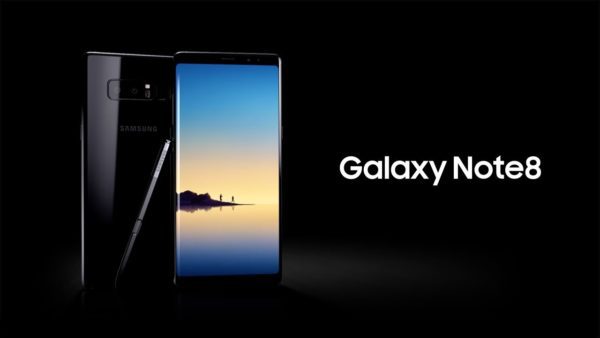
Come April 2017 and another Korean smartphone brand by the name of Samsung launches the latest addition to its Galaxy S series, the Galaxy S8 and S8+. Building on its already sturdy reputation at being an all-round great smartphone, Samsung took things to the next level with its latest additions. Its Galaxy S8 came with a 5.8-inch display while the Galaxy S8+ featured a 6.2-inch screen; both of which, came with an 18:5:9 aspect ratio.
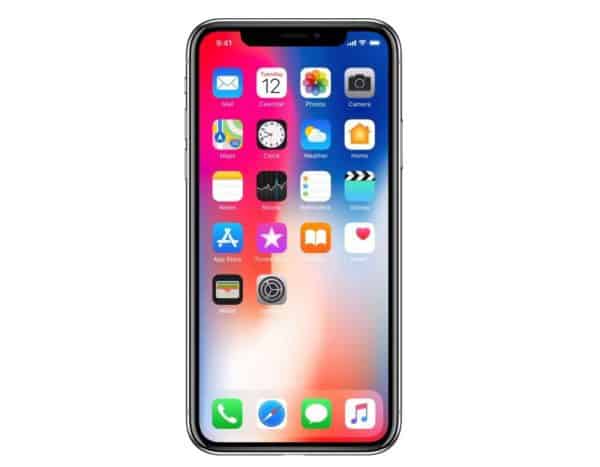
What followed the rest of the year was every other brand and their cousins following suite, fitting bigger screens into smaller bodies at the cost of the bezel. This gave consumers what they wanted: a futuristic-looking smartphone in the present. Of course, we can’t talk about bezel-less displays without mentioning Apple, who’s iPhone X still turn heads with its all-glass body paired with an all-glass display screen.
Rise of the Robots
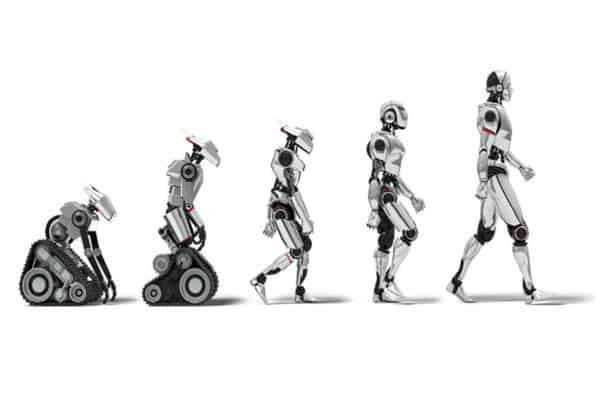
This has been a long time coming, but 2017 has been the most significant year when it comes to advancements in robotics as well as artificial intelligence (AI) and machine learning capabilities. As always, the name on everyone’s lips when the topic of robotics comes about is Elon Musk. CEO of SpaceX, Tesla, Inc. and Neuralink as well as being a Co-chairman in OpenAI, Musk has always been at the forefront when it came to robotics and the like. As most of us already know about SpaceX and its expeditions, one such news that has become a hot topic of late was Tesla, Inc. and one of its latest vehicles that isn’t consumer-friendly: the self-driving Tesla Semi truck. This is much like what Volvo Group is currently doing with its self-driving refuse trucks.
Musk’s involvement with OpenAI is also a noteworthy takeaway as it was unveiled during The International 7, the premier Dota 2 tournament that featured a prize pool of around US$24,000,000. How OpenAI came into play here was its involvement in one of the many crowd-pleasing segments of the five-day event. It featured several professional Dota 2 players going up against the OpenAI bot in a one-versus-one game, to which the players lost spectacularly.
How this happened was the advancements OpenAI made with its robotics and AI, letting it adapt, study and learn from itself. In an interview done by Mashable, OpenAI Machine Learning Researcher, Rafal Jozefowicz about the self-learning capabilities that the OpenAI bot had to do, to become better than actual human beings.
That’s not all. Smartphones weren’t safe from AI and machine learning as Google’s keynote pointed out. During the release of its suite of products which includes the Google Pixel 2 and Pixel 2 XL smartphones, Google Home products and even earphones, Google was firing on all cylinders.
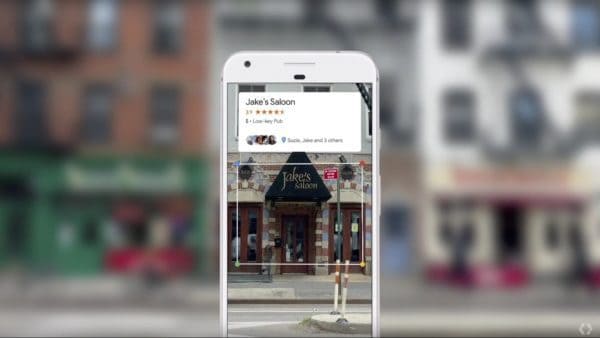
Both smartphones from Google came with very similar features, one of which was through the smartphones’ cameras, called Google Lens. Through this, you can snap a picture of anything and it will redirect you to all that you will need to know about your subject matter. It can be a landmark, a painting or even any random item like a bicycle or a vase. The Google smartphones can bring information to you with the help of machine learning.
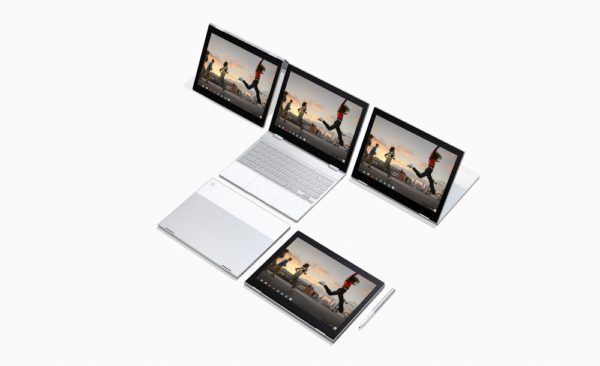
Google’s other products like its Pixelbook came with advanced AI capabilities, putting the Google AI assistant right on its home screen to assist you in anything and everything. The Pixelbuds were another advancement, being able to translate languages on-the-fly, making conversations in different dialects easier than ever.
Of course, it wasn’t only Google who jumped on the AI and machine learning train for smartphones. Huawei and Apple were other big names to bring their flagships into the fold with the Huawei Mate 10 and Mate 10 Pro as well as Apple with its iPhone 8, 8 Plus and X.
Digital Personal Assistants
While we have seen the rise of digital personal assistants over the past few years, 2017 showed off its prowess with the likes of Microsoft’s Cortana, Samsung’s Bixby, Apple’s Siri, Amazon’s Alexa and of course, Google Assistant (who doesn’t have a female because Google is gender neutral that way I’m guessing?)
These few digital personal assistants cover three ranges of technological advancements to help us in our daily lives. Advanced artificial intelligence (AI) to capture and interpret data, adopting the Internet of Things (IoT) to operate the space around us and using advanced augmented reality (AR) to project themselves into our world.

With these three aspects combined, it creates a single intelligent being that was created solely to provide information on anything and everything that we could ever want or need in a blink of an eye. From finding out traffic situations on your way home, to what song is playing in the background of a movie and even where to get that armchair for your house, digital personal assistants are the way forward for humanity.
Of course, with all the knowledge and information the robotics have gathered, it could lead to an apocalypse of sorts, much like the Terminator series. Surely, this sort of information should be taken with a pinch of salt, but if Musk could tweet about AI, saying “In a few years, that bot will move so fast you’ll need a strobe light to see it. Sweet dreams…” it looks like we’re all in for a rough ride once AI technology becomes too smart for its own good.
Is there anything else that you feel has made an impact in terms of technological advancement in 2017? Drop a comment below and let us know!