Battery
The highlight of the ZenFone Max series is its battery. Typically bigger than most phones in the market, the ZenFone Max series tends to feature battery capacities 4000mAh and above. In terms of battery capacity, I’ve seen the previous iteration (ZenFone 4 Max Pro) carry bigger capacity at 5000mAh. This one comes with a 4130mAh battery, which is a tad bit smaller; but it still packs a real punch. Efficiency, I’ve seen the Max Plus really push through up to 4 days without charge for general use. For heavy usage, I’ve still managed to stretch it across to day 3…by a few extra hours. A handy feature on this handset is an indication which shows you how long more the battery will last you in the lock screen.
Camera
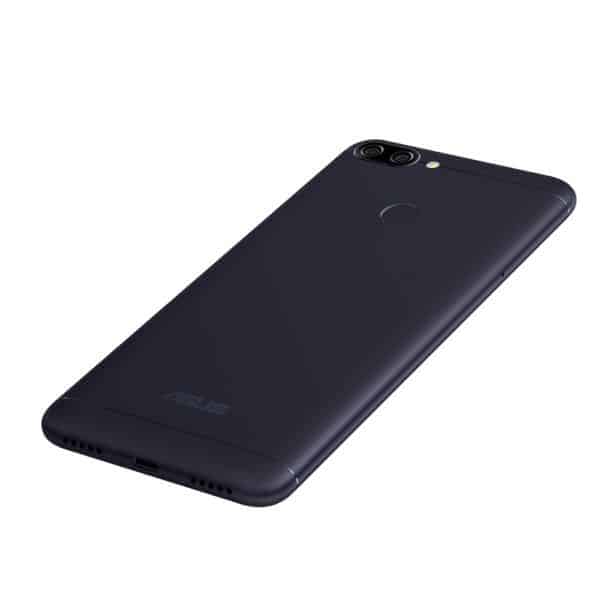
Although fitted with a dual 16-megapixel and 8-megapixel rear cameras, it is rather disappointing. The pictures turned out grainy with a lot of noise. Under ample light, you do get pretty clear and sharp shots, although still noticeably grainy without zooming in. When using the wide angle lens, there’s also a noticeable distortion that bends the picture; so a picture of my table turned out slightly curved. Although in low light pictures do turn up brighter, overall the picture quality is poor. The colours are also much more boosted, making it look a tad bit fake. There is a 16MP front camera which does pretty decent portrait photos. After having seen better picture quality in other ZenFone offerings, I really expected more.
Performance
While the previous generation sported Snapdragon 400 series, this particular handset uses Mediatek MT6750T. Although both are Octa-core processors, this phone cannot handle multitasking well, or rapid switching in tasks. In fact it crashes, lags or freezes quite a lot throughout my time using it. Using it for a single application is alright, but still not as speedy and smooth as it could be. Besides that, it heats up relatively quickly as well. Even low resources games lag significantly, making it really difficult to get a decent game play out of a quick 5 minute breather from work. Although I do appreciate the minimal amount of ASUS bloatware that you find on it. The apps that come with the phone are actually basic daily use apps, or other useful apps meant to help with battery management or backup.
Built
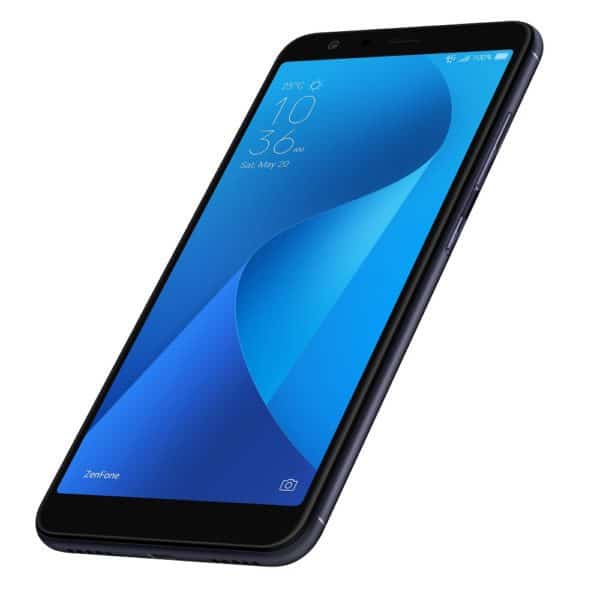
On a positive note, the design has greatly improved from previous generations. You get a smooth finish on the back, but sports a much less blocky build compared to the ZenFone 4 Max Pro. Much slimmer and more comfortable to hold on hand; it also comes with a SIM tray that accommodates 2 SIMs and a micro SD. Considering it comes with 32GB storage and 4GB memory, when most phones now start with a 64GB model, that slot might come in useful. There’s also significant in the display, fitted with a screen that has thin bezels and fitting in 5.7 inches at 18:9 ratio.
Final thoughts
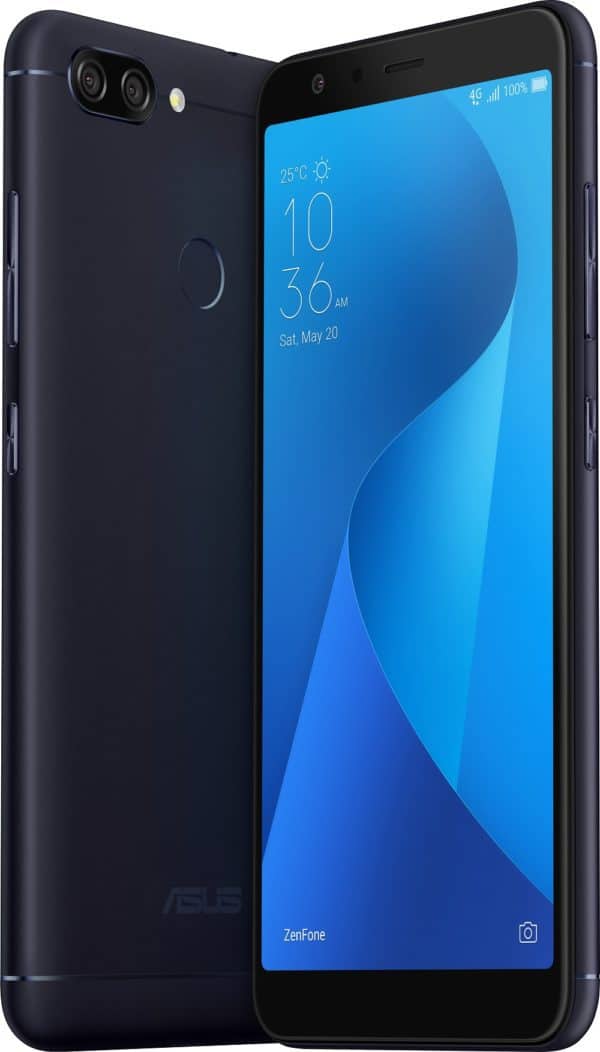
ASUS is reinventing the Max series as its own flagship lineup but when I’ve seen better specs on their other offerings, that were part of other lineups, this is rather disappointing handset to debut the lineup. I’ve enjoyed the ZenFone 4 Max Pro, and ASUS’s other flagship offerings; this was in every sense of the word, a bit potong stim. If I can get the performance found in its previous Max series, paired with the improved design, I’d be much satisfied. Even factoring in price range, I’ve seen other phones at a sub-1000 price that works much better, battery aside.
Verdict
I’ve seen better from ASUS, and while there are some improvements made, the performance was a let down. I really wanted to like this lineup, keeping my fingers crossed for an improved gen 2.