Be in awe of gadgets and gizmos
While there are special pages dedicated to major brands, PC.com tries to not miss out on anything if possible. Hence why the team has made a specific compilation of popular and favourites in these pages. Now let’s get into it!
Huawei
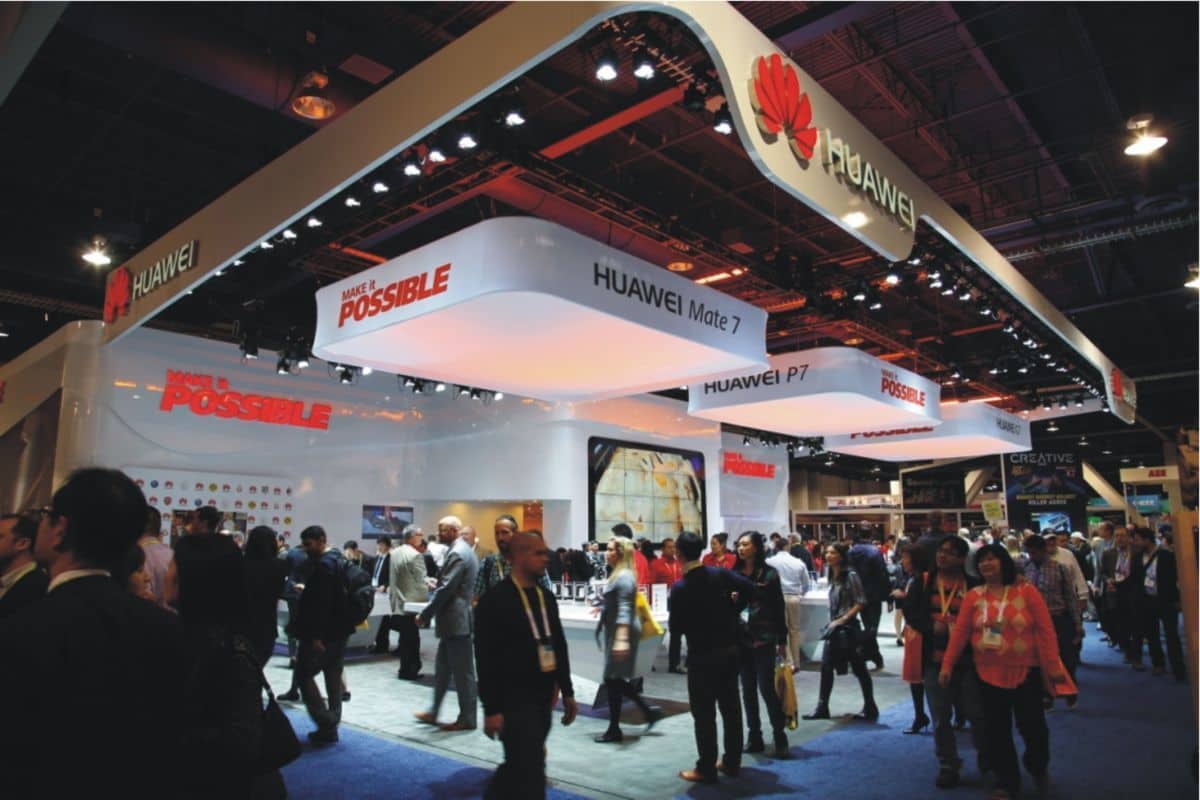
Huawei isn’t missing out on CES 2015 for sure as it showcases a variety of products like its flagship smartphones, wearables, tablets, mobile access devices, home access devices, smart home devices, Over-The-Top content, and vehicle-mounted modules. What’s new in the extensive list is the Hilink, a strategy that Huawei is rolling out as part of its integrated mobile Internet solutions.
Richard Yu, CEO of Huawei Consumer BG, explained that smartphone sales saw significant increase, with the Ascend P7 and Mate 7 particularly popular among customers. He states: “We are committed to further consolidating and strengthening our smartphone business and will continue to bring people an integrated, intelligent experience.” In addition, Yu reveals how Huawei is keen to explore the car networking business and have been researching on the Internet of Things (IoT).
There had been a tonne of Huawei products on display, including the current iterations the P7 and Mate 7 being made available for show along with the Huawei Honor 6 and 6 Plus. While all three are high-end Huawei smartphones that had been released in 2014, many still flock over to see what the fuss is about.
Besides smartphones, Huawei also organised sessions that share on its Hilink Solution. Generally, the idea is to offer fully integrated mobile Internet solutions to consumers. Mostly related to IoT, the platform will be deployable in a home environment with products that are networked with one another. Obviously, this includes not just your smartphone and other mobile devices but also other hardware like media and storage devices and even household products. IoT, which is the name of the game for CES 2015, is a huge highlight for Huawei.
Other products on display include the MediaPad T1 and X1, TalkBand B1, E5 PRO mobile access device, PT500 and WS331C home access devices, as well as the OT-based M330 and vehicle-mounted module ME909Tu-565. The last two are used to facilitate demonstrations for the Huawei Hilink Solution.
NVIDIA
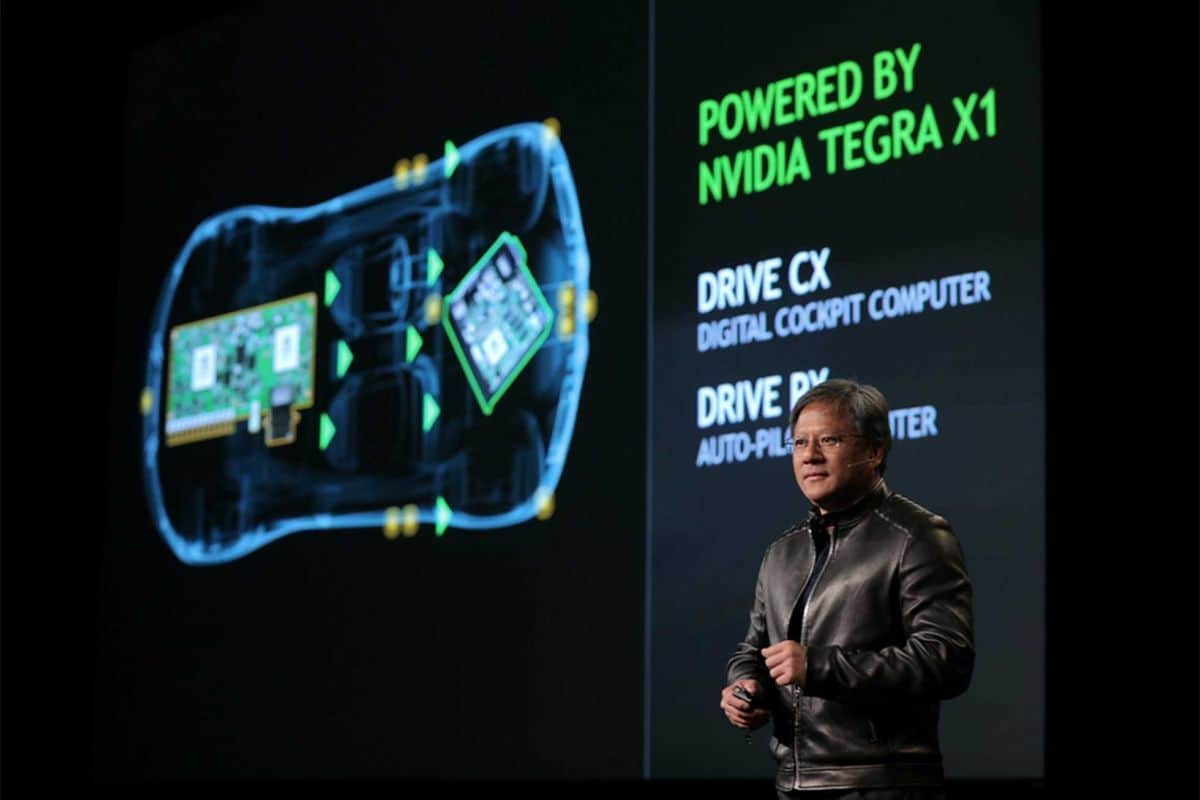
CES 2015 is off to a great start as NVIDIA CEO Jen-Hsun Huang reveals the company’s new Tegra X1 chip. Based on the Maxwell architecture, the Tegra X1 has twice the performance of the Tegra K1 and is also two times more energy efficient (according to GFXBench 3.0). It’s the world’s first 1 Teraflops mobile chip that operates on a 256-core GPU plus 8-core CPU combo; in Huang’s own words: “It’s a mobile super chip!”
“Wait, what? I don’t understand! English, please!”
Basically, it means that with the Tegra X1, games that normally run on a PC architecture now have the potential of bringing that PC experience to mobile platforms!
During the press conference, Hung also showed a simulated demo of a smartphone rendering a video made using an Unreal Engine 4 element called ‘Elemental’.
Of course, that’s not all there is to the story. Hung also envisioned the Tegra X1 as the beginning of NVIDIA’s role as the brains of a car – what he likes to call the company’s new ‘Digital Cockpit Computer’. It’s going to be powered by the Tegra X1 chip and is able to process and produce 16.6MP of visual data – more or less the equivalent of four HD displays or two 4K displays at 60Hz. All of this isn’t in the immediate future but surely Hung feels it would be made available in the coming decade, if not sooner.
The rest of the conference consisted of demos and explanation on the new Drive CX and Drive PX, both new platforms that are meant to empower future on-board digital solutions for the automotive industry.
ASUS
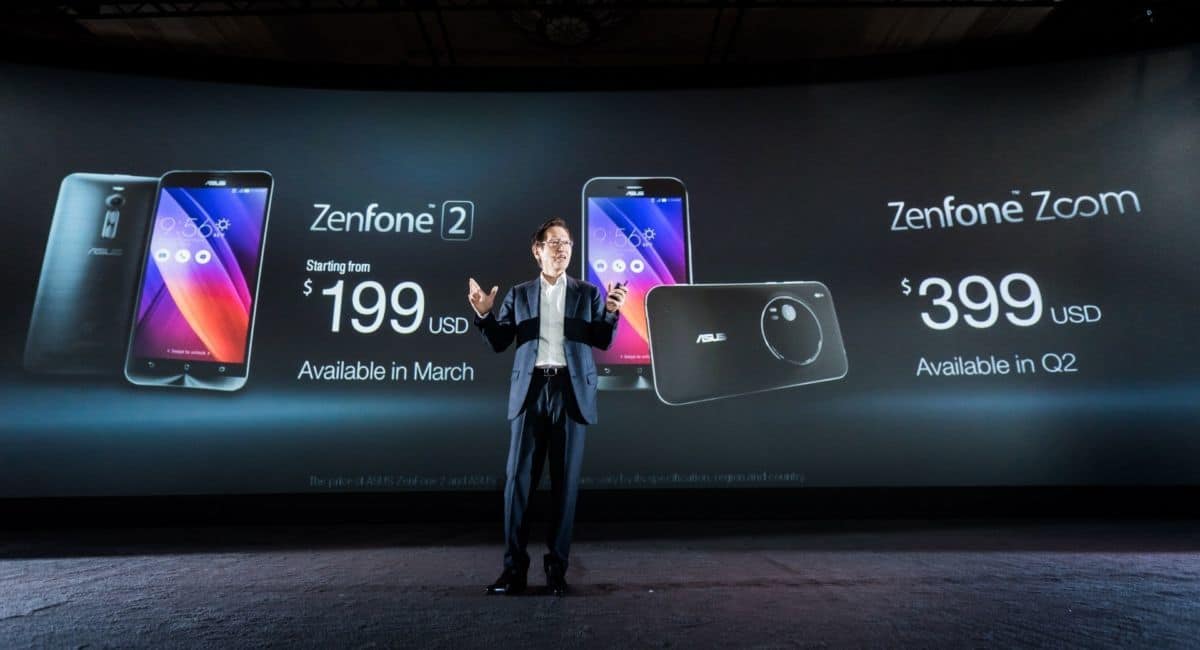
If there is one wonder that will not stay quiet in this year’s CES, it has to be ASUS as the Taiwanese manufacturer announced a complete range of gaming products at CES 2015. This includes ASUS’ famed Republic of Gamers (ROG) series as well as the new STRIX series.
One major announcement is the ROG Swift PG27AQ 4K IPS 27in, a 27in IPS LED gaming monitor that has a very thin bezel but heavy visual processing prowess. In fact, it has native support for 4K gaming as well as seamlessly working with NVIDIA G-SYNC technology. Aside from that, there is also a new display panel that could potentially become a more mainstream choice soon – the ASUS MG279Q WQHD gaming monitor. A 27in IPS LED monitor as well, it comes packing with a 2K resolution (2560×1440) and 120Hz refresh rate instead.
For PCs, ASUS revealed the powerful ROG G20 compact gaming desktop PC, a compact entry that comes with a 4th Generation Intel Core i7 processor and a NVIDIA GTX 980 GPU. Last on the non-accessory list is the ROG GR8 console-size gaming PC, another compact gaming PC made to look like a good-looking console. Powering this PC is an Intel Core i7 CPU , NVIDIA GTX 750Ti GPU, and 16GB DDR3 RAM.
For overclockers and enthusiasts, ASUS had the ROG Enthusiast SLI Bridge on display, a customised ASUS SLI Bridge with the ROG logo done up with an aluminium finish. There is also a new advance peripherals that are set to whet the appetites of gamers like the ROG Whetstone and STRIX Glide Control or Glide Speed gaming mouse pads.
Wait, there’s more! Say hi to the ROG Spatha and ROG Sica, plus the new STRIX Claw gaming mice. Keyboard warriors may also enjoy typing and gaming on the STRIX Tactic Pro mechanical keyboard as it sports a large number of macro keys. Looking for a new gaming headset to take your game to the next level? Try the STRIX 7.1 – a true surround gaming headset.
Indeed, if getting the best gaming setup is your desire in 2015, then ASUS has a whole range of new products waiting for you.
BlackBerry

BlackBerry has its fair share of CES 2015 excitement as well with the release of its BlackBerry Passport. Designed for productivity in mind, the new BlackBerry is a 4.5in smartphone with a square-shaped touch screen that packs a QWERTY keyboard on it and fully operates on the company’s latest BB 10.3.1 OS.
President for Devices and Emerging Solutions at BlackBerry, Ron Louks, explains the design concept of the new device saying: “It is built with security at its core. This is how the BlackBerry Passport stands apart from the rectangular-screen, all-touch devices in the market today. In fact, we’re offering users more than a full day of battery life and new innovations like the industry’s first touch-enabled QWERTY keyboard.”
Beyond the US, availability elsewhere is currently unknown. Even so, BlackBerry reveals that there will be further announcements. As it is, BlackBerry fans from Malaysia will be hoping this comes to our shores soon or there will be many sad faces.
BlackBerry’s other major announcement is the Cloud-based Internet of Things (IoT) platform. By using the company’s tech portfolio, BlackBerry intends to bring top class security and reliability to IoT applications as the transformative trend continues to seemingly gain momentum. The platform is based on the BlackBerry-owned QNX Software Systems’s mission-critical embedded systems with BlackBerry’s own secure network infrastructure and device lifecycle management software.
By combining the two platforms, BlackBerry Technology Solutions VP of Strategy and Marketing, Matt Hoffman, says that the company has built a cloud-based platform that is modular and scalable. “Looking ahead, we will extend the platform with other BlackBerry technologies to give developers additional control over the flow of information to devices on the network’s edge,” he adds.
To start things off with this new tech, BlackBerry revealed its new Mobile HBox, a device that will capture and transmit medical information between a patient, his/her doctor, and a point of care. Beyond that, BlackBerry has also announced the availability of BlackBerry Messenger for Android Wear users.
ZTE
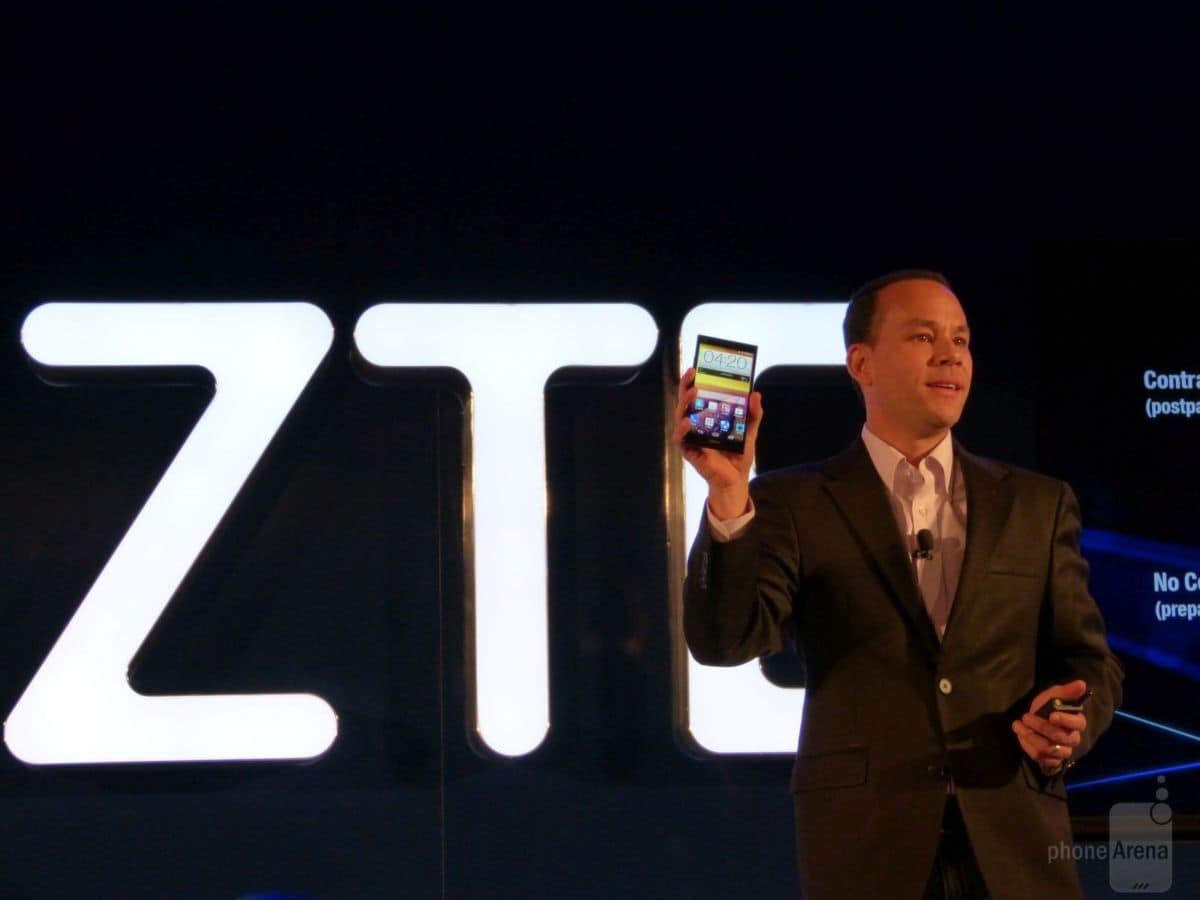
The people from ZTE had a few things to share in CES 2015 as well. Considering that the Chinese manufacturer is fourth in the US phone ranking, it most likely saw the need to show something big to the fans there. Thus, ZTE brought a few new smartphones and also a portable projector for all to see at the annual event.
First up is the US-limited device – the ZTE Grand X Max+, a 6in phone with a 720p display. If that’s not exciting enough for you, ZTE also revealed the ZTE Nubia Z7 – a flagship smartphone with some popular bells and whistles like dual-SIM, 2K 1440 x 2560 display, camera with optical image stabilisation, the powerful Snapdragon 801 chipset and 3GB RAM. Lastly is the ZTE Star 2, featuring a 1080p 5in display a Snapdragon 801 chip as well. At a slim 6.9mm wide, the latter is ZTE’s midrange successor to the Star 1.
Additionally, there is the Spro, a version two variant that is simply named as ZTE Spro 2. This portable projector is based on Android featuring advanced Wi-Fi hotspot functionalities. Since it’s based on Android, you can access the Google Play store on the Spro 2 just like any other Android device. This allows you to stream content through various apps or via storage media, such as microSD cards or a USB drive. It also works with HDMI cables or Wi-Fi connections as well if PCs or media consoles (Android TV anyone?) are preferred modes of playback.
Pairing its auto focus and auto keystone functions with a great short throw distance and improved 720p resolution, the Spro 2 can now easily project onto a 120in screen with 200 lumens brightness. Plus, when used as a Wi-Fi hotspot, it can support up to eight devices. Battery life shouldn’t be an issue either as it uses a large 6300mAh lithium ion battery.
Panasonic
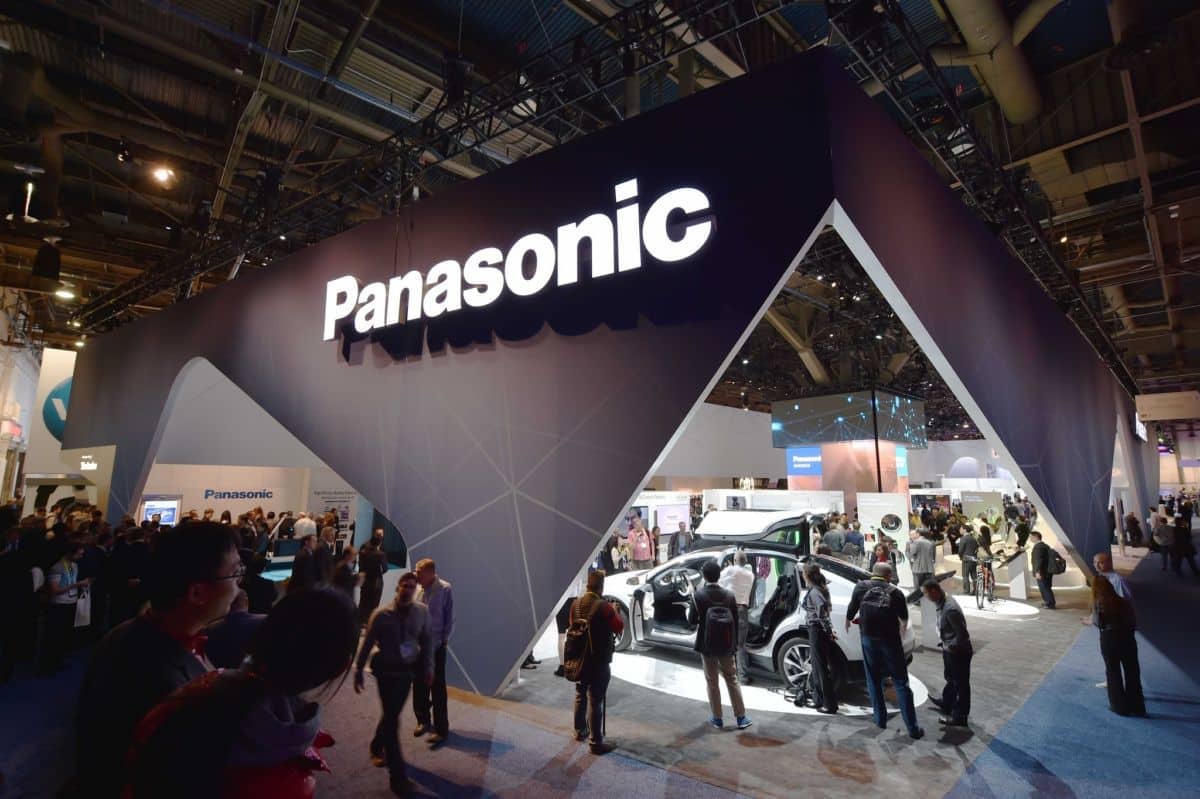
The Panasonic showfront at CES this year saw a variety of different new things, most of which are relevant to consumers. Among them are the new headphones entries, advanced Lumix cameras, innovative camcorders, a new SDXC/SDHC format, and home entertainment products.
Audio-wise, Panasonic adds to its line-up two new Drops 360’ premium in-ear monitors – the Drops 360’ Luxe RP-HJX20 and Drops 360’ RP-HJX5. They come with large sound drivers to provide more power and tighter bass. Travel a lot? Then you may be interested in the Panasonic FOLDZ RP-DJS150M – an ultra-compact headphone. Not only is it compatible with all major smartphones, which allow you to answer calls, it can also be easily packed and stored away without taking up much space. Of course, the wire-free club would enjoy Panasonic’s new RP-BTD5 Bluetooth Wireless Headphone. It’s NFC-compatible, promising one-touch pairing with smart devices and is set to deliver great audio quality with its 40mm Neodymium Magnet-powered drivers.
Next up – Lumix cameras. Enter the LUMIX SZ10, a thin enough snapper that is able to fit in the pocket of your suit or handbag, or the LUMIX ZS50 and LUMIX ZS45 premium compacts, both of which ensures great photo-taking thanks to its powerful optical zoom, Leica lenses, and with an assortment of features that would make pros salivate. Extreme sports lovers can go for the Panasonic LUMIX TS6 and TS30 – made specifically to be waterproof, freeze-proof, shock-proof, and dustproof. Purposefully made for the active and adventurous, these camera are set to deliver excellent image quality regardless of any given conditions it is used in.
For those on the lookout for new Full HD camcorders, do consider the HC-W570, HC-V270, and HC-V160 – three new camcorders in the Panasonic stable that offers 50x optical zoom and image stabilisation. Or perhaps the HC-WX970, HC-VX870, and HC-V770 would fit as it has amazing new Full HD recording capabilities with a High Dynamic Range (HDR) Movie feature.
Of course, there must be something to save all those images and videos. The files need to be transferred fast as well. Enter the new line-up of UHS-I type SDXC/SDHC memory cards! Panasonic claims these new cards will have maximum read speed of 95MB/s and write speed of 90MB/s and offer capacities of up to 128GB. Huge and speedy – what the world has demanded for made into reality.