After all the excitement that is the Intel X-series processors, which includes the i9 processor, you might have missed the compute card and other announcements.
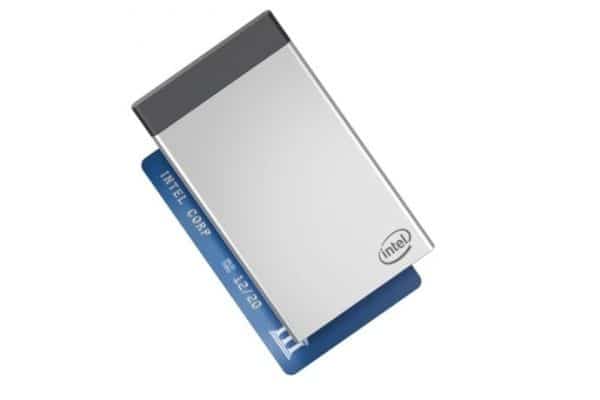
First announced at CES, the Intel Compute Card is a modular platform with all the elements of a full computer, including Intel SoC, memory, storage and wireless connectivity with flexible I/O options. It is slightly longer than a credit card at 95mm x 55mm x 5mm and can plug into a dock— all in a package that is slightly longer than a credit card. Intel partners are currently developing a wide range of products, from laptops and tablets to digital signage and POS to AIOs and intelligent whiteboards.
Intel has finally announced the details and availability, scheduled to begin shipping in August 2017. The product will initially be available in four SKUs.
| Processor | 7th Gen Intel® Core™ i5 vPro™ (i5-7Y57) processor | 7th Gen Intel® Core™ i3 (m3-7Y30) processor | Pentium® N4200 processor | Celeron® N3450 processor |
| Memory | 4GB DDR3 | 4GB DDR3 | 4GB DDR3 | 4GB DDR3 |
| Storage | 128GB Intel SSD | 128GB Intel SSD | 64GB eMMC | 64GB eMMC |
| Connectivity | Intel Wireless-AC 8265 (2×2 .11ac & Bluetooth 4.2) | Intel Wireless-AC 8265 (2×2 .11ac & Bluetooth 4.2) | Intel Wireless-AC 7265 (2×2 .11ac & Bluetooth 4.2) | Intel Wireless-AC 7265 (2×2 .11ac & Bluetooth 4.2) |
Intel is also releases the Compute Card Device Design Kit, a set of guides and reference designs that contain the information a device developer will need to create a product that supports an Intel Compute Card. The guides are available now via Intel’s Classified Design Information (CDI) portal for any customer under NDA, and the reference design are available upon request.
Intel also teased a few devices from other partner vendors – in the VR side, Intel noted a new collaboration with HTC. Using Intel’s WiGig technology, we could be seeing a wireless VR accessory that gives Vive customers to get high-fidelity, low latency, immersive VR experiences without the wire. We are thinking Wireless VR headsets?
On the devices side, Intel teased a new device from Asus. Code-named “Kukuna,” it’s said to be a super thin, light and stylish 2 in 1, always connected PC, offering Intel performance and connectivity inside. Intel predicts the growth of the always on PC, giving the best performance, full Windows experiences, connectivity and long battery life in mobile designs.