Were you at the other side of the coin that is unsatisfied with Google I/O? It must be the lack of Nexus devices that deprives you from enjoying the whole event. With that, Google remedy the situation by showing off a new Nexus device and more. Even sweeter is the latest version of Android being revealed. You heard the news, now continue reading to get the latest gist. Enter Google.
Where’s My Dentist?
Recently, there aren’t a lot of announcements regarding the Android OS. What’s there to it is more of minor updates and fixes. Even manufacturers recently releases the latest Androud 4.2 to their respective smartphones and tablets. The race continues when Google steps in to give the market a sugary Android 4.3 Jelly Bean.
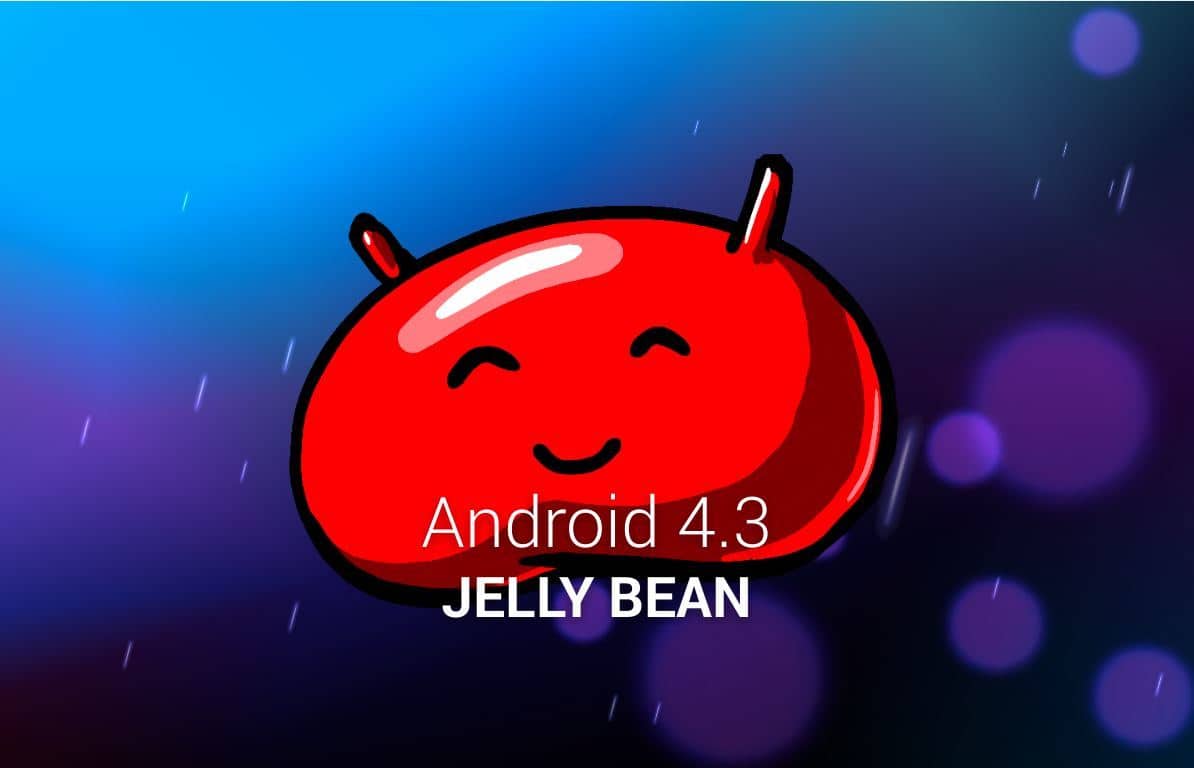
The most welcomed feature has got to be a new set of multi-user settings. This includes the ability to restrict profiles for the kids or even people you don’t like. Those itchy hands can no longer open an app if you deemed so. Aside from that, users can also restrict app purchase if the kids accidentally tap on the ‘buy’ button.
What’s expected from this update is Bluetooth Smart. A smarter Bluetooth in this context means using as little energy as possible. Joining in is OpenGl ES3.0 support. For the untrained ears, just think of it as a step forward for game developers. Think of more sophisticated graphics like reflections, lens flares and more. Finally, something to push those quad-core processors to its limits.
According to the giant search company, Android 4.3 is already ready for Nexus 4, Nexus 10, the first generation Nexus 7 and Galaxy Nexus to update. As for HTC One and Galaxy S4 Google Editions, these smartphones will be getting it ‘very soon’. Sweet.
A Successor
Wait a minute… First generation Nexus 7? Yes, you read that right. In the event, Google also shows off the new Nexus 7 meaning this is the true successor. With the usual flairs like ‘thinner’ and ‘lighter’, it still carries the 7in display running on the deliciously pure Android 4.3 OS. Looking at the logo placement, it seems Google is seeing a landscape use of the tablet. The latest Nexus 7 places the volume and power button at the same spot as the previous generation too.
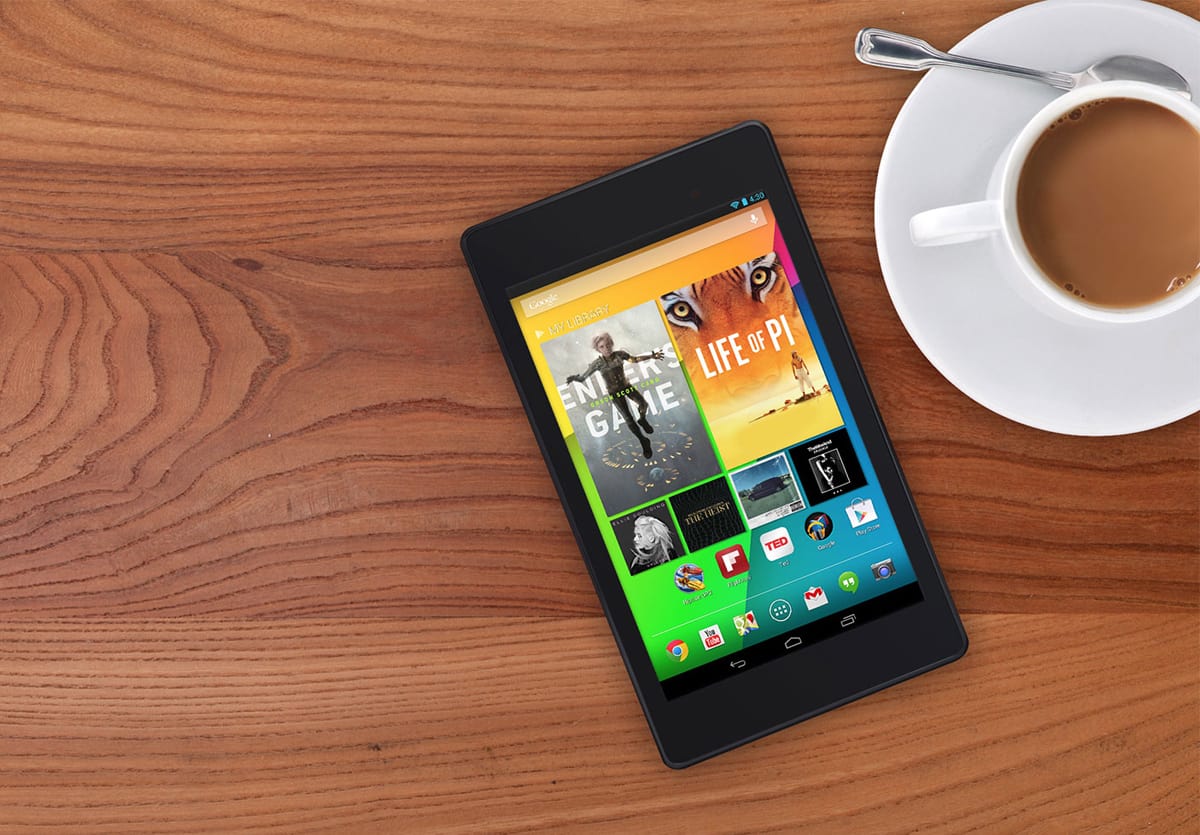
This is all on the outside. Inside the hardware lies many improvements. The screen alone got an upgrade to 1920 x 1200 resolutions over its predecessor’s 1280 x 800 resolutions. A brand new processor follow suit with a 1.5GHz Qualcomm Snapdragon S4 Pro 8064 chipset accompanied by Adreno 320 graphics and 2GB of RAM.
Even the sound system got a boost through a dual stereo speakers. Bowing to the masses, Google throw in a rear-facing 5MP camera to go along with the front-facing shooter.
There will be a LTE and WiFi models available. The 16GB version will cost US$229 while the 32GB version will come in at US$269. As for the 32GB LTE model, it will be available at US$349. Already available for the US; other countries, including the UK, Germany, Japan, Canada, Spain, France, Australia, and South Korea will get the tablet in the coming weeks.
Right after this, a rumour surface mentioning that Samsung will be in the line up to make the new Nexus 10. The term ‘near future’ was thrown and it doesn’t seem to be anytime soon. As of now, there is zero information about how the new Nexus 10 will look but one thing’s for sure, there will be Android 4.3 Jelly Bean inside.
Into The Living Room (Again)
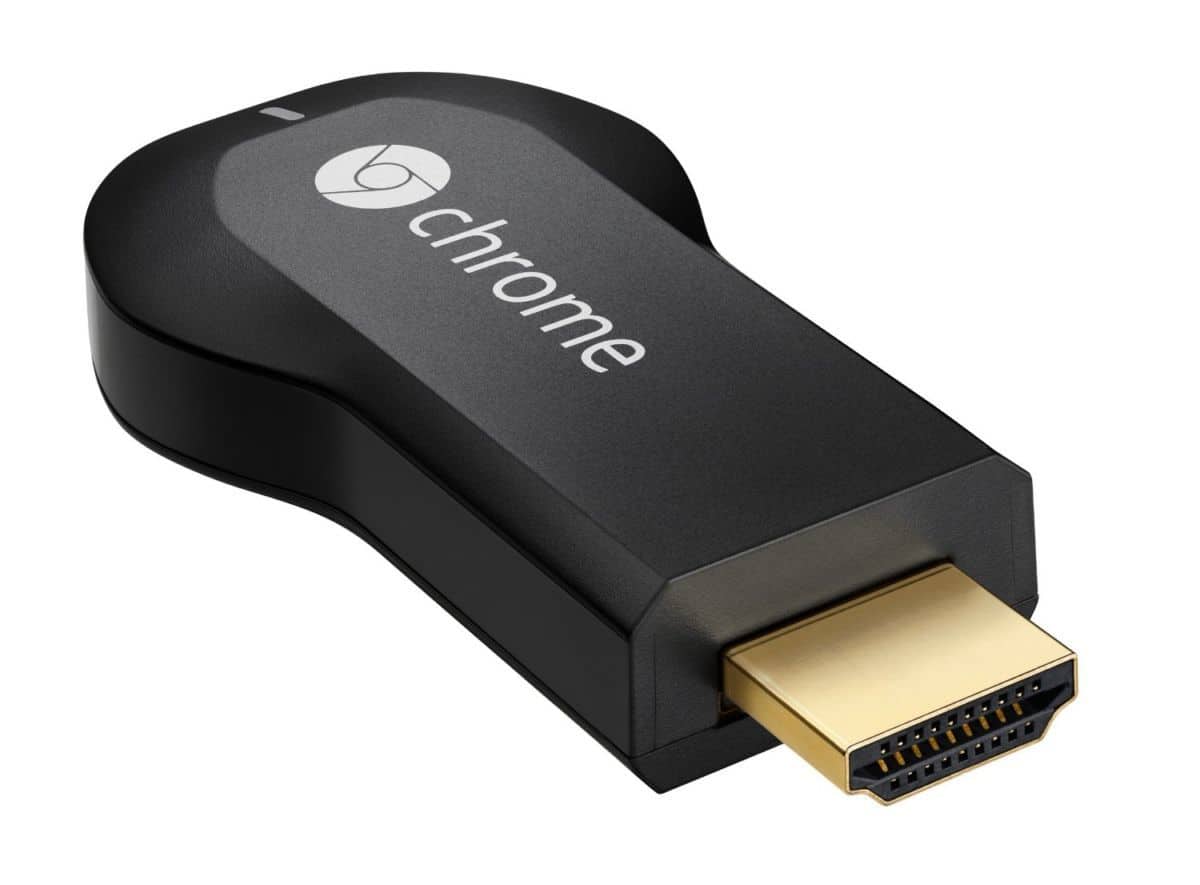
Making another attempt into the living room after Google TV and Nexus Q, the organisation unveiled Chromecast. It is a small US$35 dongle set to allow users phone or tablet to stream content on the TV through Chrome. What’s different about it is aside from turning a normal TV into a Smart TV, users can control it via any devices that is streaming it. No need to go through a new interface. Chromecast connects over HDMI and is powered by USB, and can be plugged right into an A/V receiver if your TV doesn’t have an extra port.
So isn’t this just another form of AirPlay? No but pretty similar. After syncing with devices, it turns your phone or computer into a remote. Users will be able to queue up and play videos, control volume, or even turn on the TV. Difference is you can use other apps without stopping the pushed contents and users videos will continue to play even when the device is asleep.