By now, you’ve probably seen or heard of the plastic screen on the Samsung Galaxy Z Flip, and you’ve also probably read the reasoning behind it from Samsung themselves. But I’m not satisfied with their answer because it’s just vague honestly.
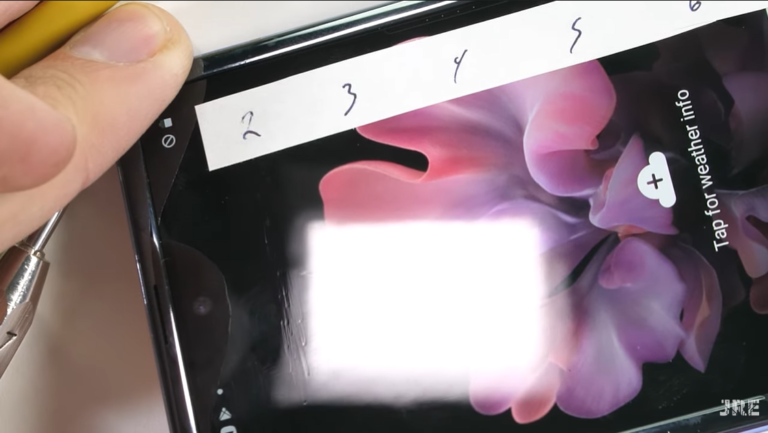
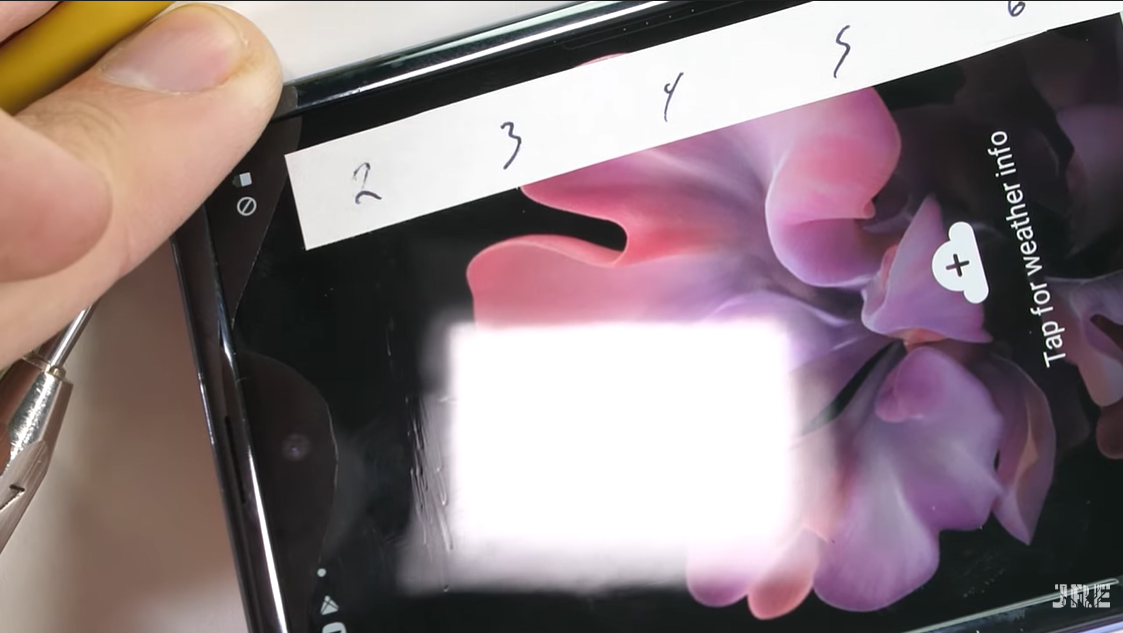
But before all that, let’s get into what actually happened. Prominent tech YouTuber, Zack Nelson (JerryRigEverything) released one of his durability test videos on the Galaxy Z Flip. In the video, he starts doing his scratch test with varying hardness picks that have ‘levels’ to indicate what should or should not be scratched by it. On regular glass smartphone panels, he usually gets to the 6 or 7 level pick before seeing ‘deeper grooves’ scratches.
Now, keep in mind that Samsung has been advertising their products with the “Ultra Thin Glass” innovation which made for a foldable glass display. The problem arises when Zack starts the scratch test, and the Z Flip already has noticeable scratches at the level 2 and 3 hardness picks. This essentially points to a plastic screen such as those on the Galaxy Fold, and Motorola Razr. Wait, plastic screen? Didn’t they say “Ultra Thin Glass”?
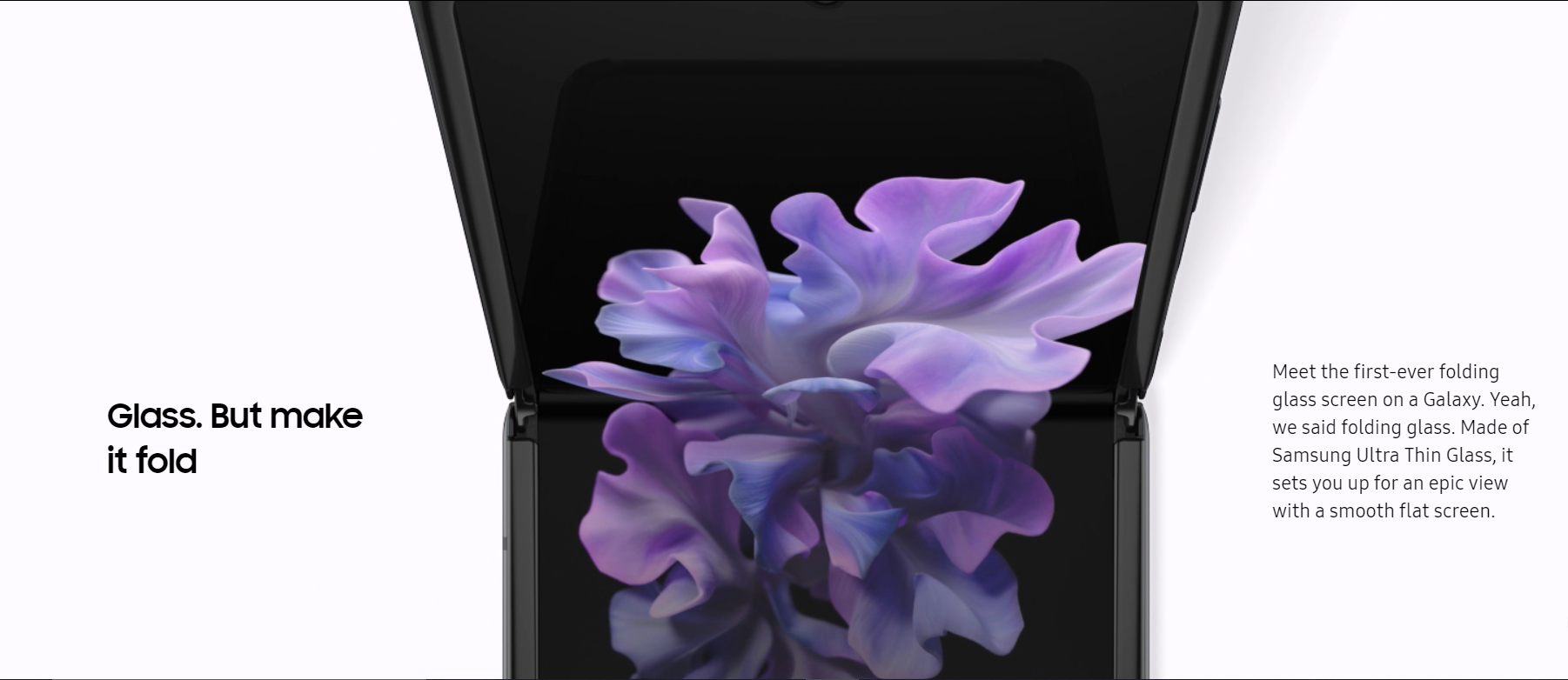 Yeah, they did, multiple times at that. Their marketing has heavily featured this selling point which makes it all the more shady, to me anyway. The phone even scratched when Nelson used his fingernail, so that’s a pretty sh*tty deal to me.
In response to this, Samsung gave The Verge this statement:
“Galaxy Z Flip features an Infinity Flex Display with Samsung’s Ultra Thin Glass (UTG) to deliver a sleek, premium look and offer an immersive viewing experience,” a spokesperson said by email. “Samsung’s first-of-its-kind UTG technology is different from other Galaxy flagship devices. While the display does bend, it should be handled with care. Also, Galaxy Z Flip has a protective layer on top of the UTG similar to Galaxy Fold.”
And if you can’t tell, this statement essentially means nothing. It’s a lot of fluff, with the last line lending itself to be somewhat useful by saying the Galaxy Z Flip has a protective layer on top of the UTG similar to Galaxy Fold. They’re talking about this protective cover:
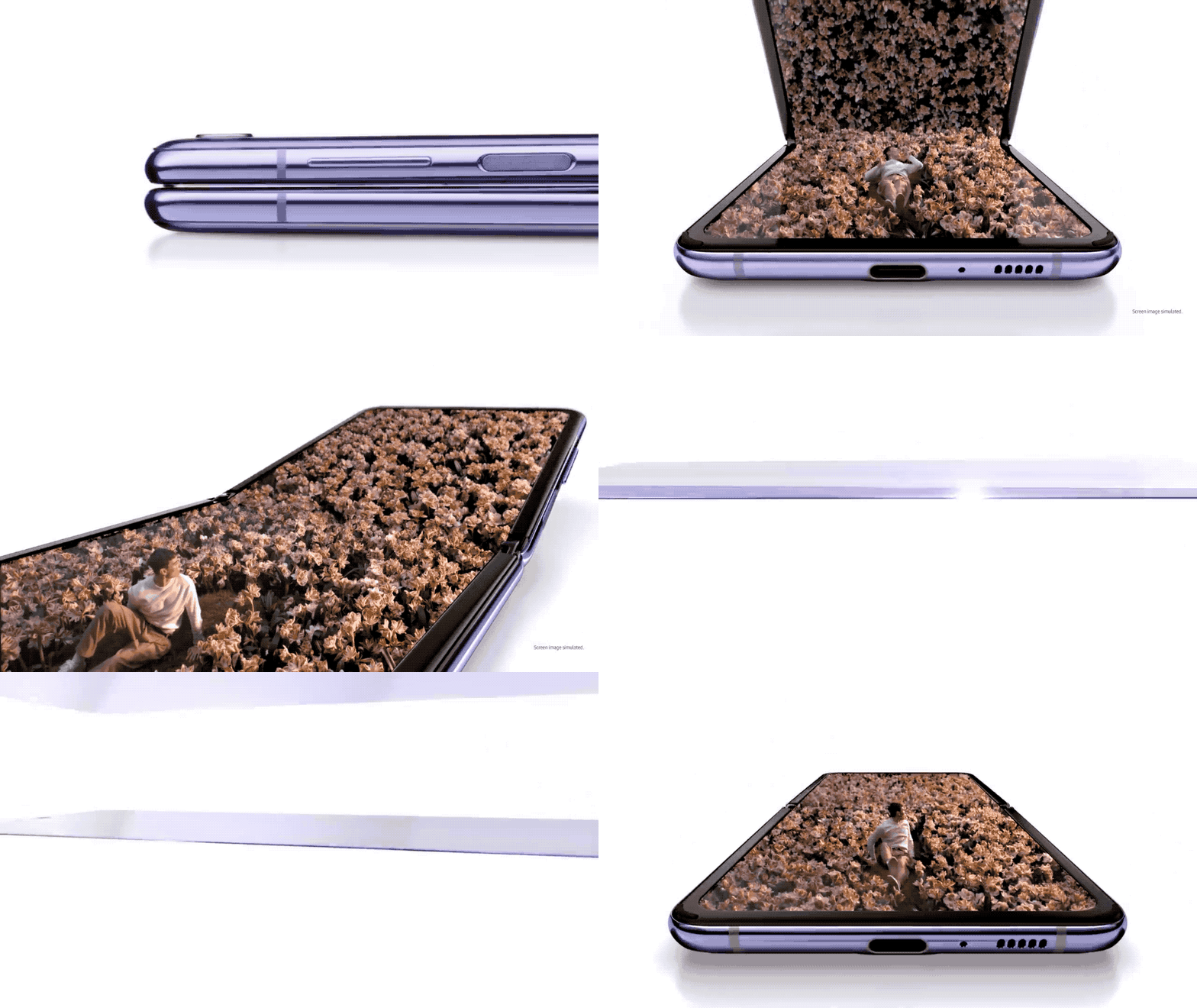
Okay, that makes more sense than anything we’ve read thus far, but it doesn’t fully explain it. Towards the end of the video, he starts poking holes into the screen that made the OLED screen flicker, and essentially stop working.
Oh, and we couldn’t see any glass break, btw.
Regardless of whatever explanation they give to consumers, and to us, there’s one thing that’s for certain; I don’t trust it. They essentially hyped up their device to a point where they could’ve said anything and we’d believe it. Thankfully, Nelson was able to do a test like this to ensure what they’re saying is true. But this time around, he’s showed us Samsung with their underpants drawn, which is a good thing for us, but a bad thing for people who bought into their ideas. It’s not to say they lied about the Z Flip having a true glass panel, but more so they have seemed to misguide consumers to make us believe that it did.
The Z Flip could very well have their Ultra Thin Glass display, with a screen protector on top. But if so, what is the point of this plastic screen protector? Doesn’t look like it’s protecting much with the amount of scratches it takes on so easily.
I don’t see how the Z Flip could have a ‘glass panel’ considering it shared no characteristics of glass? It scratched easily, it didn’t smash during the bend test, and when it punctured the display, it didn’t shatter, even the tiniest bit.
Maybe it is, as Nelson mentions, a “hybrid plastic polymer” which has microscopic bits of glass mixed in so they can advertise it as glass. If that were the case, then I don’t appreciate it, Samsung. Misleading customers is a big no no, and considering you’re trying to pioneer this new technology, at least do it the right way.