Wisconsin Alumni Research Foundation (WARF) wins the lawsuit for patent infringement against Appl Inc last week in a jury trial that lasted for two weeks. WARF has been awarded US$234 million in damages after the jury concluded that Apple’s A7, A8 and A8X system on chip designs infringed the asserted claim of WARF.
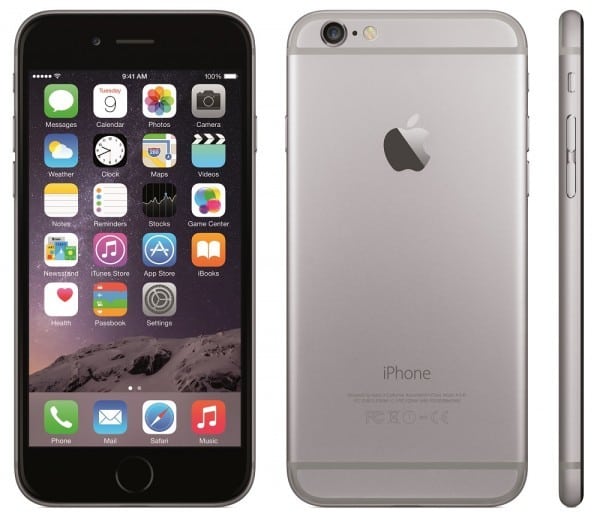
The fruit company was accused of using the foundation’s invention, which significantly improves the efficiency and speed of computer processing. The guilty chip are found inside the iPhone 5s, iPhone 6 series, iPad Air, iPad Mini 2 and Apple TV 4, to name a few.
Carl Gulbrandsen states: “This is a case where the hard work of our university researchers and the integrity of patenting and licensing discoveries has prevailed. The jury recognised the seminal computer processing work that took place on our campus. This decision is great news for the inventors, the University of Wisconsin-Madison and for WARF.”
Apple told Reuters that it plans to file an appeal but no other comments were given. The awarded damages was far less than the US$400 million WARF claims, but Apple is not happy with the decision. It has sought to limit its liability to just 7% per device sold.
The foundation has already reached a settlement with Intel Corp in 2008 after suing the company for the same patent. Following after this, WARF wants to file a second lawsuit against Apple’s new A9 CPUs, which can be found in the new iPhone 6s series and iPad Pro.
This battle, it seems, will continue on. But do you think the awarded damages was sufficient, lacking or too much?